

Anti-Paper Leak Bill: Cabinet Approves Up to 10-Year Jail and ₹10 Crore Fine for Examination Fraud
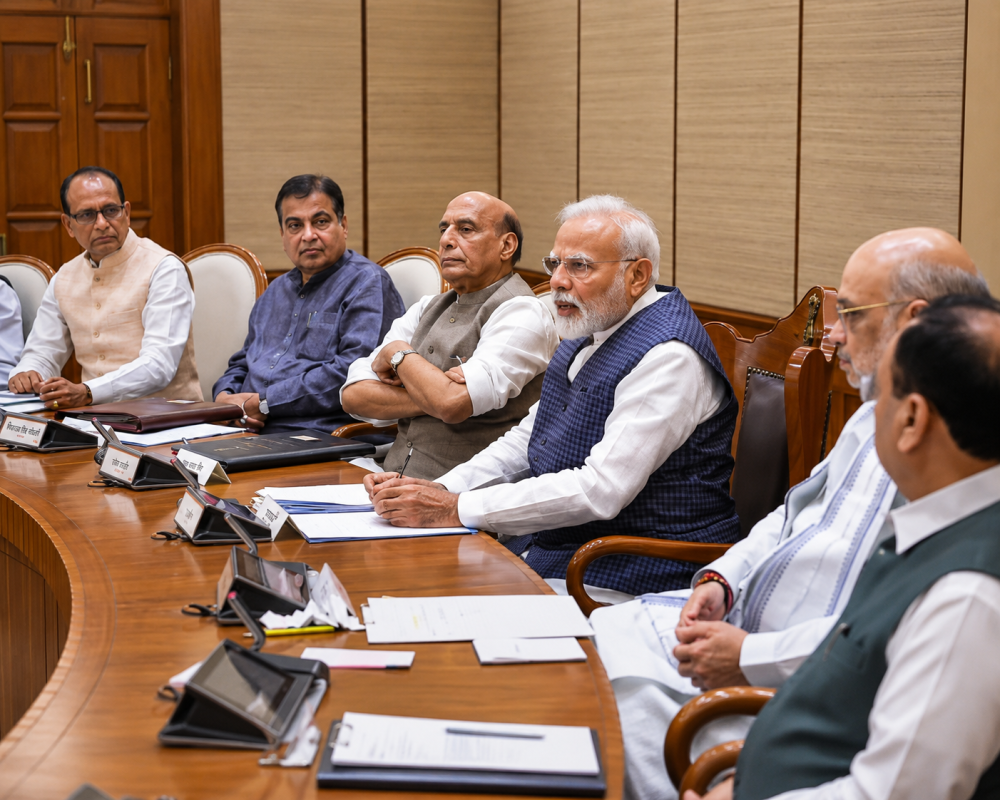
The Anti-Paper Leak Bill received approval from the Union Cabinet on Friday, paving the way for stricter punishment against those involved in examination paper leaks across the country. The proposed amendments to the Prevention of Paper Leak law aim to strengthen the legal framework by introducing tougher penalties, including a maximum prison term of 10 years and fines of up to ₹10 crore.
The government is expected to introduce the Bill in Parliament shortly. Parliamentary Affairs Minister Kiren Rijiju said Prime Minister Narendra Modi has directed that there should be no delay in bringing the legislation, emphasising the government's commitment to protecting the interests of students and ensuring the integrity of public examinations.
Cabinet Approves Tougher Punishments
Under the proposed amendments, individuals found guilty of examination paper leak offences could face significantly harsher penalties than those provided under the existing law.
According to sources, the revised legislation proposes:
Maximum imprisonment of 10 years for serious paper leak offences.
Fine of up to ₹10 crore for individuals or organisations found guilty.
Increase in the minimum jail term from three years to five years for convicted offenders.
The proposed changes are aimed at creating a stronger deterrent against organised examination fraud and restoring public confidence in recruitment and entrance examinations.
Government to Introduce Bill in Parliament
Parliamentary Affairs Minister Kiren Rijiju confirmed that the government is preparing to introduce the Anti-Paper Leak Bill in Parliament.
Speaking after the Cabinet meeting, Rijiju said the exact timing of the Bill's introduction would be announced after the government completed its formal briefing on the Cabinet's decision.
He added that Prime Minister Narendra Modi had instructed ministers to ensure that there was no unnecessary delay in bringing the legislation before Parliament.
According to Rijiju, the government considers the Bill a priority because it directly concerns the future of millions of students appearing in competitive examinations across India.
PM Modi Stresses Student Welfare
The proposed amendments follow Prime Minister Narendra Modi's recent remarks on examination paper leaks, in which he described protecting students' future as one of the government's highest priorities.
The Prime Minister has repeatedly stated that those responsible for compromising the integrity of public examinations should face swift and stringent punishment.
The government has also announced the establishment of fast-track courts to expedite the trial of paper leak cases, complementing the proposed legal amendments.
Kiren Rijiju Targets Opposition
While speaking about the proposed legislation, Kiren Rijiju also criticised the Opposition over the repeated disruptions in Parliament.
He said the government was prepared to present the Bill without delay and alleged that attempts to obstruct parliamentary proceedings would not benefit students.
According to Rijiju, Parliament remains the appropriate forum for discussing examination reforms, and the government is committed to presenting its proposals for debate.
The minister urged all political parties to support measures aimed at strengthening the examination system and preventing future paper leak incidents.
Why the Anti-Paper Leak Bill Is Significant
The proposed amendments represent one of the toughest legal responses to examination fraud in recent years.
If enacted, the legislation would:
Harsher Criminal Penalties
Increase both the minimum and maximum punishment for those convicted of organising or facilitating paper leaks.
Higher Financial Penalties
Allow authorities to impose fines of up to ₹10 crore, particularly in cases involving organised examination fraud or institutional involvement.
Stronger Deterrence
The combination of lengthy prison terms and substantial monetary penalties is intended to discourage criminal networks involved in examination malpractice.
Protection of Students
The legislation seeks to restore credibility to competitive examinations by ensuring that honest candidates are not disadvantaged by fraudulent activities.
Following Cabinet approval, the government is expected to table the Anti-Paper Leak Bill during the ongoing Parliament session.
Once introduced, the Bill will be debated in both Houses before being considered for passage. If approved by Parliament and receiving Presidential assent, the amendments will become part of the country's legal framework governing public examinations.
The proposed reforms come amid heightened national attention on examination integrity and increasing demands for stricter action against those responsible for paper leak incidents.
The Union Cabinet's approval of the Anti-Paper Leak Bill marks a significant step toward strengthening India's examination system. By proposing prison terms of up to 10 years, fines of up to ₹10 crore, and longer minimum sentences for offenders, the government aims to deter organised examination fraud and protect the future of millions of students. The Bill is now expected to be introduced in Parliament, where it will undergo legislative scrutiny before becoming law.
Related News
 OCT 13, 2026
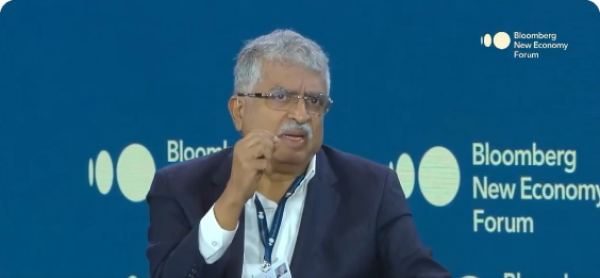
Nandan Nilekani Proposes Question Bank to Prevent NEET Paper Leaks
Infosys co-founder Nandan Nilekani has proposed creating a massive question bank and generating examination papers at the last minute to address concerns over paper leaks, including the NEET controversy. He also called for expanding computer-based testing infrastructure across India to strengthen the examination system.
 OCT 13, 2026
CII Global MSME Summit Highlights Opportunities and Challenges
New Delhi: Shreekant Somany, Chairman and Managing Director of Somany Ceramics Ltd., called for stronger collaboration between micro, small and medium enterprises (MSMEs), the government and industries to capitalise on opportunities emerging from global economic changes. Speaking at the 23rd CII Global MSME Business Summit in Delhi, he highlighted challenges related to tariffs, rising costs and access to finance.
 OCT 13, 2026
India-UK CETA Opens New Business and Investment Opportunities
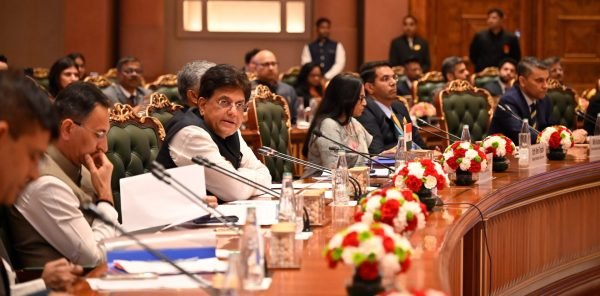
The India-UK Comprehensive Economic and Trade Agreement (CETA) has been highlighted as a significant milestone in strengthening economic ties between India and the United Kingdom. Addressing the Joint Economic and Trade Committee (JETCO) Business Plenary alongside UK Business and Trade Secretary Jonathan Reynolds, the Indian representative emphasised opportunities for businesses in both countries to expand collaboration, deepen investments and build new partnerships.
 OCT 13, 2026
Kolkata Rally Celebrates Victories in Nandigram and Rejinagar
Kolkata: A large gathering of party workers and supporters took to the streets of Kolkata to celebrate the reported victories in Nandigram and Rejinagar. The victory rally was held at Murlidhar Sen Lane, with the event highlighting the party’s message of public trust and support for a “double-engine government”.