

Sabudana Dosa Recipe: Make Crispy Vrat-Friendly Dosa at Home
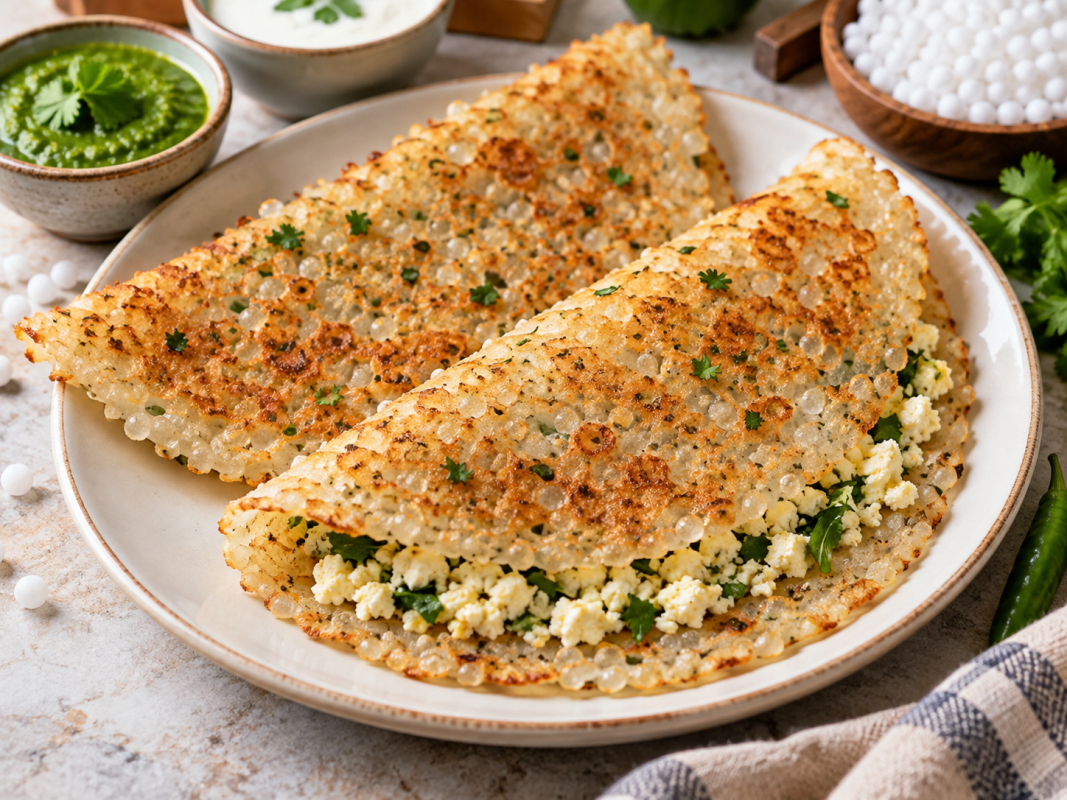
If you are tired of eating the same puri, potato and sabudana khichdi during fasting days, this sabudana dosa recipe can bring a refreshing change to your vrat menu.
Crispy on the outside and soft inside, sabudana dosa is an easy fasting-friendly dish that can be paired with curd, chutney or even a light paneer filling for a more satisfying meal.
The recipe is especially useful during Navratri or other fasting days when regular grains are avoided.
Why Sabudana Dosa Is a Great Vrat Option
Sabudana is one of the most commonly used ingredients during fasting because it is easy to cook and works well in both savoury and sweet dishes.
Turning it into dosa gives the familiar fasting ingredient a completely different texture.
Instead of the usual soft sabudana preparations, this version offers a crisp exterior with a light, soft centre, making it ideal for breakfast, lunch or a quick evening meal.
Ingredients for Sabudana Dosa
For the dosa batter, you can use:
- Sabudana
- Boiled potato
- Curd
- Green chilli
- Cumin
- Rock salt
- Water as required
- Ghee or oil suitable for fasting
For an optional filling:
- Crumbled paneer
- Green chilli
- Cumin
- Coriander
- Rock salt
Step 1: Soak the Sabudana
Wash sabudana thoroughly and soak it in water until it becomes soft.
The soaking time can vary depending on the size and quality of sabudana, so make sure the pearls are soft enough to mash easily before preparing the batter.
Drain any excess water before using.
Step 2: Prepare the Dosa Batter
Add soaked sabudana to a blender along with boiled potato, curd, green chilli, cumin and rock salt.
Blend everything into a smooth batter.
Add water gradually until you get a dosa-like consistency. The batter should spread easily on the pan but should not become too watery.
Let it rest briefly before cooking.
Step 3: Make the Paneer Filling
If you want a more filling version of the sabudana dosa recipe, prepare a simple paneer stuffing.
Heat a little ghee in a pan, add cumin and green chilli, then add crumbled paneer.
Season with rock salt and fresh coriander.
Cook for a few minutes and keep aside.
Step 4: Cook the Sabudana Dosa
Heat a non-stick or well-seasoned tawa and grease it lightly with ghee.
Pour a ladleful of batter onto the hot pan and spread it carefully in a circular motion.
Cook on medium heat until the edges begin to turn golden and crisp.
Drizzle a little ghee around the sides for extra crispness.
Flip only if required, depending on the thickness of the dosa.
Step 5: Add Filling and Serve
Place the prepared paneer filling in the centre of the dosa and fold it gently.
Serve immediately while hot and crisp.
Sabudana dosa tastes best with vrat-friendly green chutney, curd or a simple peanut chutney.
Tips to Make Sabudana Dosa Crispy
The batter consistency is the key to getting a crisp dosa.
Avoid making it too thick, as that can make the dosa heavy and difficult to spread. At the same time, an overly thin batter may break while cooking.
Cook on medium heat and allow the base to become properly golden before trying to lift or fold it.
A small amount of ghee around the edges can also improve both flavour and texture.
A Delicious Change From Regular Vrat Food
The best thing about this sabudana dosa recipe is that it transforms familiar fasting ingredients into something that feels completely different.
It is crispy, light and easy to customise. You can keep it plain for a simple meal or add paneer stuffing for a richer version.
For anyone looking to move beyond the usual puri-aloo combination during fasting, sabudana dosa can be a tasty and practical alternative.
Related News
 OCT 12, 2026
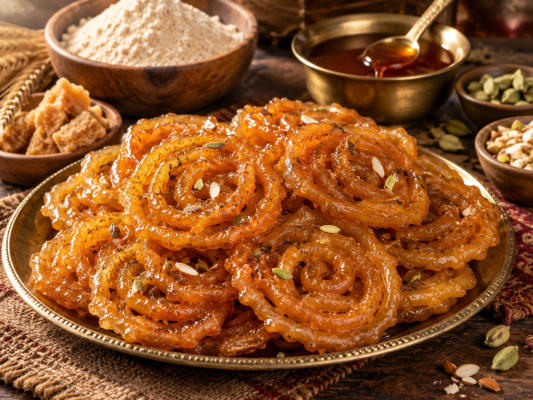
Wheat Flour Jaggery Jalebi Recipe: Make Crispy Halwai-Style Jalebi at Home
Try this wheat flour jaggery jalebi recipe for a delicious twist on traditional jalebi, made with atta, jaggery syrup, ghee and aromatic cardamom.
 OCT 9, 2026
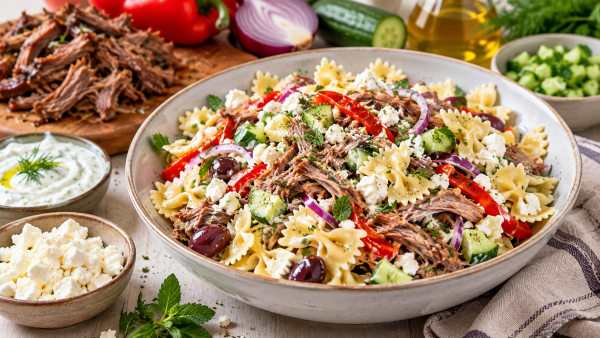
High-Protein Pulled Lamb Pasta Salad for a Balanced Meal
High-protein pulled lamb pasta salad by The Fitness Chef delivers 42g protein per serving with lamb, pasta, tzatziki, feta, herbs and vegetables.
 OCT 9, 2026
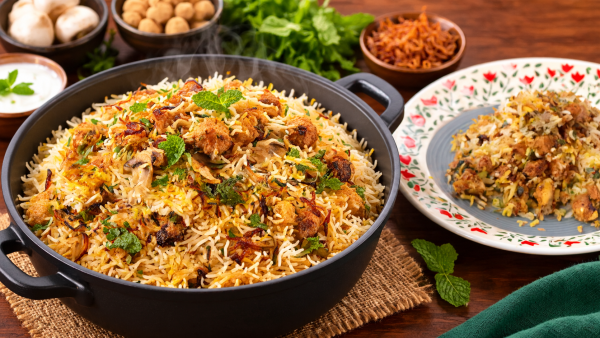
Healthy Soya Mushroom Biryani Recipe Packed With Protein
Healthy soya mushroom biryani by Vanshika Khurana offers a protein- and fibre-rich vegetarian meal made with brown basmati rice, soya chunks and mushrooms.
 OCT 8, 2026
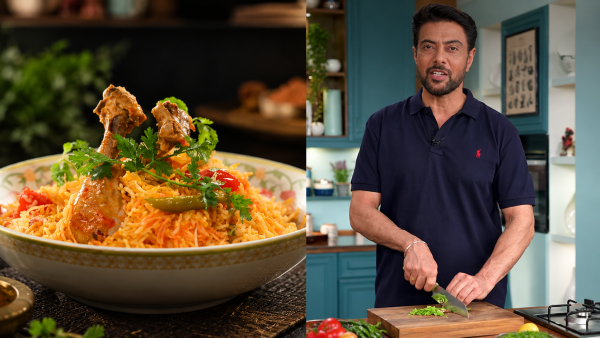
Ranveer Brar Chicken Pulao Recipe: Dhaba-Style Flavour
Ranveer Brar Chicken Pulao Recipe is a delicious one-pot meal featuring juicy, marinated chicken cooked with fragrant basmati rice, whole spices, herbs and a smoky roasted vegetable chutney. The recipe brings the comforting flavours of a dhaba-style meal to the home kitchen without the elaborate preparation associated with biryani.