

Suvendu Adhikari Directs Food Inspectors to Strengthen Food Safety in West Bengal
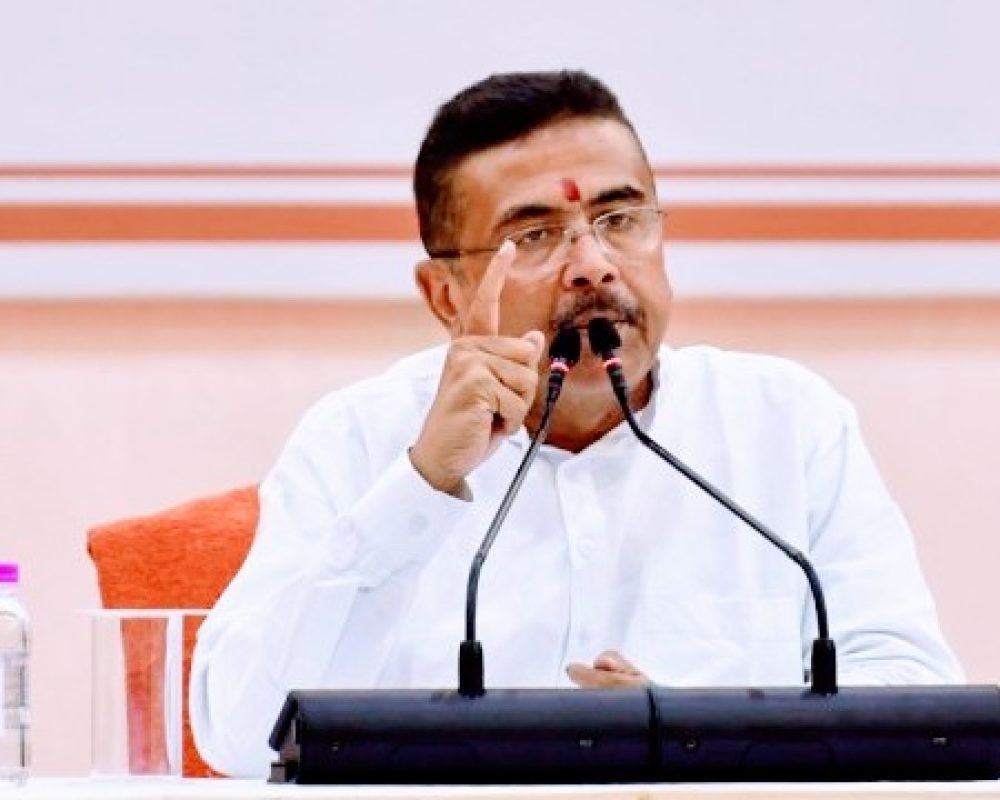
Suvendu Adhikari Food Safety directions have put food quality and public health at the centre of a fresh inspection drive across West Bengal.
Chief Minister Suvendu Adhikari held a meeting with food inspectors on Monday in the presence of the Chief Secretary and senior state government officials. During the meeting, he directed officials to intensify surveillance and inspections to ensure that food businesses comply with prescribed safety, health and hygiene standards.
The state government plans to deploy more than 300 food inspectors across the state as part of the initiative.
Food Safety Week From September 1 to 8
As part of the campaign, the West Bengal government will observe a special Food Safety Week from September 1 to September 8.
Food inspectors have been instructed to conduct intensive inspections across different districts during this period. The administration has set a target of inspecting at least 1,000 establishments during the campaign.
The initiative is aimed at strengthening monitoring and ensuring that food safety regulations are implemented consistently across the state.
Inspections to Cover All Categories of Establishments
The Chief Minister has directed officials not to restrict inspections to small businesses or establishments with limited financial resources.
According to the instructions, food inspectors must also inspect premium establishments, including five-star and seven-star hotels. The objective is to ensure that food safety rules are applied uniformly, regardless of the size, reputation or financial capacity of a business.
The approach is intended to establish a more comprehensive food safety monitoring system.
No Intimidation During Inspections
While stressing the need for strict enforcement, Suvendu Adhikari also instructed food inspectors to conduct their work politely and professionally.
Officials have been told that inspections should not become a source of unnecessary harassment or intimidation for business owners and employees.
The Chief Minister's message was that inspectors should clearly explain food safety rules and regulations while carrying out their duties.
This approach is expected to combine enforcement with greater awareness among food business operators.
Zero Tolerance for Serious Food Safety Violations
At the same time, the government has made it clear that serious violations will not be treated leniently.
According to the directions, merely imposing a financial penalty may not be sufficient in cases involving major violations or activities that could pose a serious risk to public health.
Where required, authorities may take stronger action against establishments, including ordering their closure.
Public Health to Remain the Priority
The emphasis on stricter enforcement comes with the stated objective of protecting consumers and ensuring that food sold to the public meets prescribed safety standards.
Food contamination, poor hygiene and violations of food safety regulations can pose significant risks to public health. Regular inspections can help identify problems and encourage establishments to maintain appropriate standards.
The state government's campaign is therefore expected to focus on both preventive monitoring and action against serious violations.
Food Inspectors to Use Body Cameras
Another important feature of the new inspection drive is the instruction for food inspectors to carry body cameras during field visits.
The move is intended to improve transparency and accountability during inspections.
Body cameras can provide a record of inspection procedures and interactions between officials and establishments. The measure is also expected to help ensure that inspections are conducted according to established procedures.
The decision forms part of the administration's broader emphasis on transparent enforcement.
1,000 Establishments Targeted During Campaign
The government has set an initial target of inspecting at least 1,000 establishments during Food Safety Week.
Related News
 OCT 25, 2026
PM Modi Hails India’s Record 114 Asian Para Games Medals
Prime Minister Narendra Modi hails India’s para-athletes for securing a record 114 medals at the Asian Para Games 2026, calling it a moment of immense national pride and joy.
 OCT 25, 2026
Donald Trump Says France Is ‘Burning Down’ Over Its Open-Border Policy
US President Donald Trump has criticised France’s immigration policies, claiming that open borders are contributing to serious problems and urging countries to prevent the entry of people he considers a threat to national interests.
 OCT 25, 2026
CM Devendra Fadnavis Launches Navi Mumbai Projects
Maharashtra CM Devendra Fadnavis launches infrastructure development works in the NAINA region, inaugurates key connectivity projects near Navi Mumbai International Airport and distributes property cards to landholders.
 OCT 25, 2026
Trump Says Biden Should Have Asked Europe to Fund Ukraine Aid
US President Donald Trump has criticised the distribution of Ukraine aid under Joe Biden, arguing that European allies could have paid a greater share of the cost. His remarks have reignited debate over military assistance, transatlantic cooperation and burden-sharing in the war against Russia.