

Uttar Pradesh Electoral Rolls Have No Religion or Caste Data, Says CEO Navdeep Rinwa
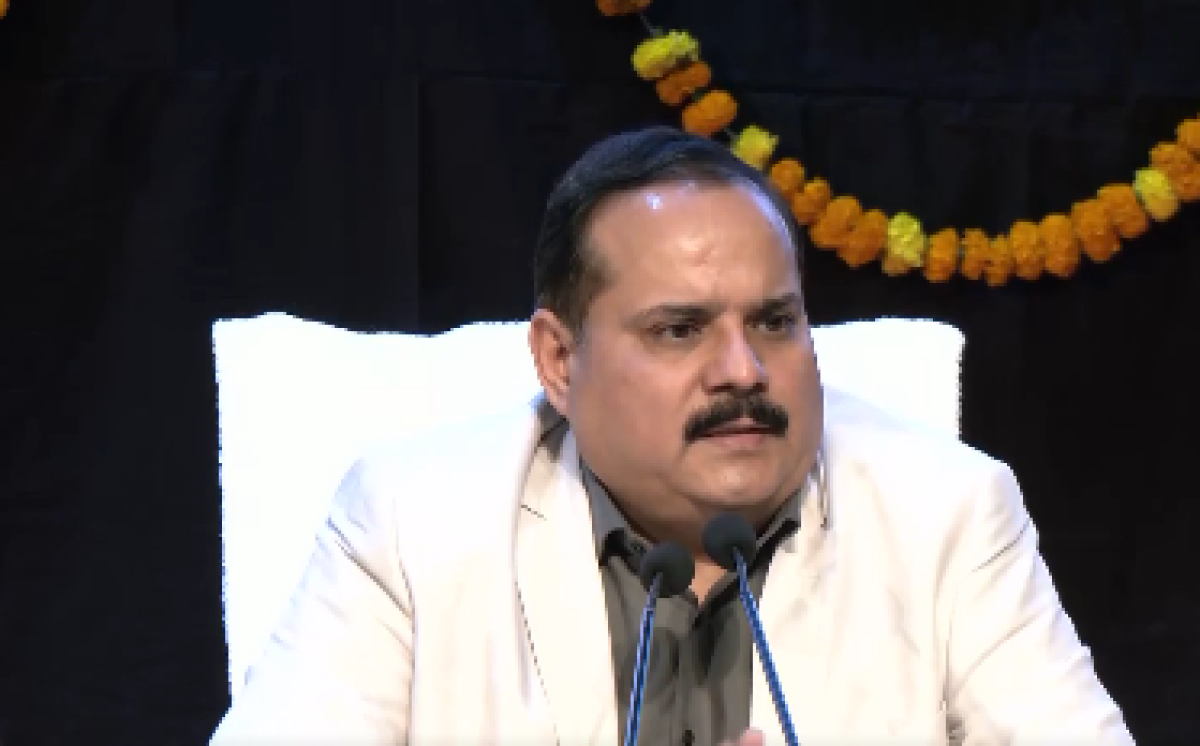
Lucknow: Uttar Pradesh Chief Electoral Officer Navdeep Rinwa has clarified that the state's electoral rolls do not contain information about voters' religion or caste. He said the electoral database includes details such as voters' names, relationships, relatives' names, age or date of birth, house numbers and gender, making it impossible for the Election Commission to conduct any analysis based on religious or caste identities using its database.
Speaking on the issue, Rinwa questioned how certain media organisations had conducted analyses claiming to identify the religious backgrounds of voters whose names were removed from electoral rolls in different constituencies.
Electoral Database Does Not Contain Religion or Caste Details
According to Navdeep Rinwa, the Uttar Pradesh electoral database records only specific personal and identification-related details of registered voters.
He explained that information about religion, caste or similar categories is not collected as part of the electoral rolls. Therefore, the Election Commission cannot independently generate statistics about voter deletions based on these factors using its database.
CEO Explains How Media Organisations Analyse Electoral Rolls
Rinwa referred to a social media outlet's analysis from approximately a month earlier, which claimed that most applications for deleting voter names in Tarabganj or Pilibhit belonged to people from a particular religious community.
He also mentioned a newspaper analysis conducted during the Kundarki by-election, which reportedly provided polling booth-wise details of 430 deleted names, categorising voters by religion.
Explaining how such analyses were possible, Rinwa said electoral rolls published after the Special Summary Revision (SSR) on April 10 were available for public download.
He stated that media organisations could independently download the publicly available electoral rolls and conduct their own analysis using the information contained in them.
Draft Electoral Rolls Available for Public Analysis
The Chief Electoral Officer also cited an example involving the analysis of female voters removed from Uttar Pradesh's draft electoral roll.
He said a newspaper had downloaded the draft electoral roll published by the authorities and independently analysed the number of female voters whose names had been removed.
According to Rinwa, this demonstrated how external organisations could conduct their own assessments using publicly available electoral data, even though the official database did not contain religion-based information.
Around 2.58 Crore Citizens Missing from Uttar Pradesh Voter List
Rinwa further revealed that approximately 2 crore 58 lakh citizens currently living in Uttar Pradesh are not included in the state's voter list.
His remarks highlighted the distinction between the information maintained in official electoral databases and independent analyses conducted by media organisations using publicly available voter records.
Related News
 NOV 17, 2026
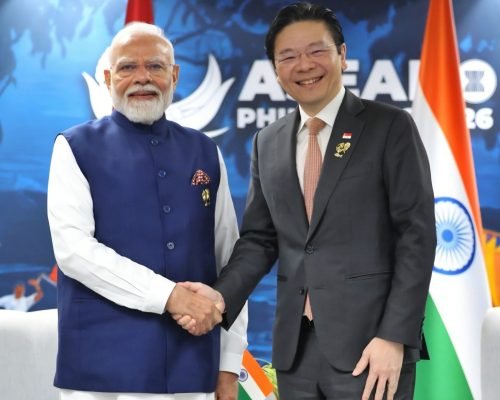
PM Modi Meets Singapore PM Lawrence Wong to Strengthen Strategic Partnership
Prime Minister Narendra Modi held a productive meeting with Singapore PM Lawrence Wong, discussing stronger cooperation in investment, infrastructure, innovation, semiconductors and advanced manufacturing.
 NOV 17, 2026
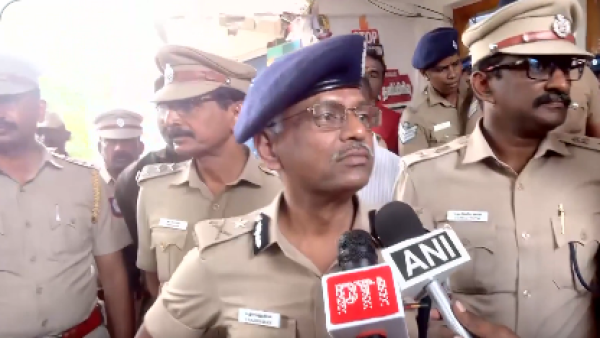
Tanishq Jewellery Heist: Madurai Police Recover Rs 15 Crore Loot, Arrest Three
Madurai: Police have arrested three accused in connection with the Tanishq Jewellery heist in Madurai, Tamil Nadu, and recovered the entire stolen property worth approximately Rs 15 crore. The burglary took place between midnight on November 11 and the early morning of November 12 at a Tanishq jewellery showroom.
 NOV 17, 2026
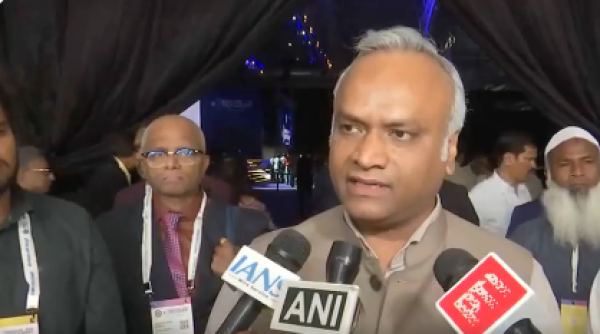
Bengaluru Tech Summit Focuses on AI, Innovation and Karnataka's Technology Growth
Bengaluru: The Bengaluru Tech Summit has placed artificial intelligence (AI), innovation and future technology development at the centre of its latest edition. Speaking about the event, Karnataka Minister Priyank Kharge said the summit would explore how AI could transform different sectors, including agriculture and aerospace, while strengthening skill development and innovation across the state and the country.
 NOV 17, 2026
Mekedatu Dam Issue: Anbumani Ramadoss Opposes Karnataka Project, Urges All-Party Meeting
The Mekedatu Dam issue has triggered fresh political reactions in Tamil Nadu, with PMK President Anbumani Ramadoss strongly opposing Karnataka's proposed dam project across the Cauvery River. Describing the Cauvery as a lifeline for Tamil Nadu, Ramadoss said the state would not allow construction of the dam and urged the Tamil Nadu government to convene an all-party meeting to discuss the matter.