

Amit Shah West Bengal Border Security: Home Minister Stresses Secure Borders
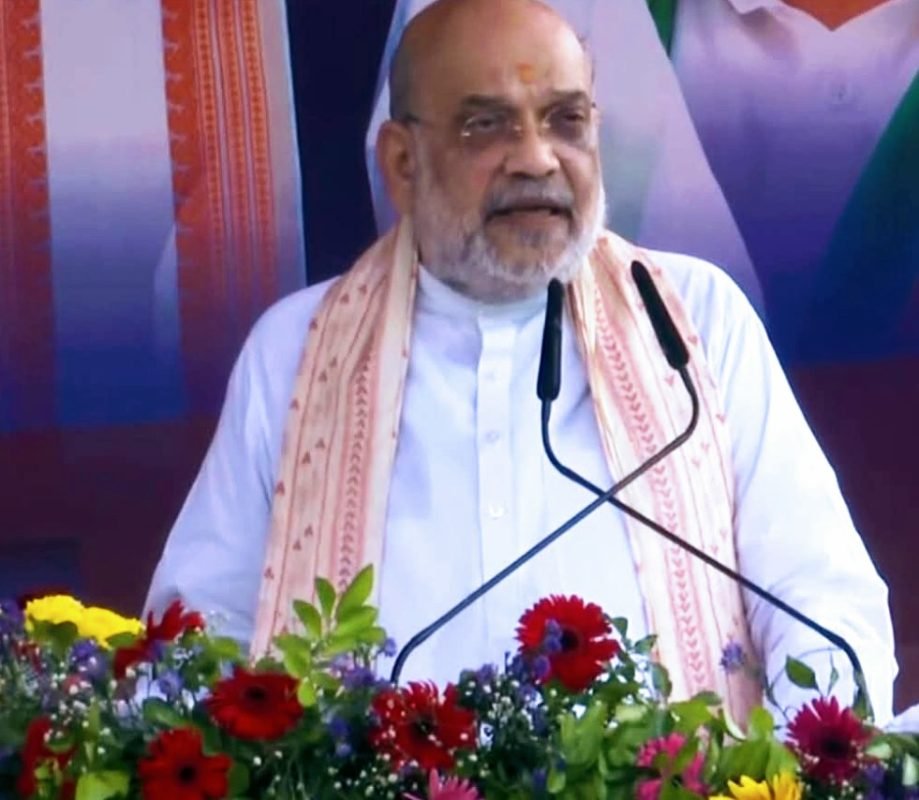
Amit Shah West Bengal Border Security remarks took centre stage on Friday as Union Home Minister Amit Shah stressed that neither West Bengal nor India can remain safe unless the country's frontiers are effectively secured.
Addressing a programme in Siliguri, Shah highlighted the importance of strengthening security along the India-Bangladesh border and alleged that the previous West Bengal government had not provided land required for border fencing despite repeated requests.
Amit Shah Raises Border Fencing Issue
Speaking at a programme organised for the groundbreaking and foundation stone laying of various Sashastra Seema Bal (SSB) projects at its frontier headquarters in Siliguri, Shah said that he had repeatedly sought land from the previous state government for strengthening border security.
According to Shah, the Centre had been seeking 1,129 acres of land since 2014 for the construction of fencing along the border.
He alleged that his requests to former West Bengal Chief Minister Mamata Banerjee did not receive the required response.
Shah claimed that the required land was provided only after the government led by Chief Minister Suvendu Adhikari came to power in the state.
‘Neither Bengal Nor India Will Be Safe’
The Union Home Minister underlined the strategic importance of securing India's borders.
He asserted that effective border management and fencing are essential for the security of both West Bengal and the country as a whole.
The India-Bangladesh border is particularly significant for West Bengal because of the state's extensive international boundary and its strategic location in eastern India.
Shah Praises Suvendu Adhikari Government
During his address, Shah congratulated West Bengal Chief Minister Suvendu Adhikari for attending programmes involving India's border guarding forces.
He claimed that previous chief ministers of the state had not attended programmes organised by the SSB or the Border Security Force (BSF).
Shah described the change as a significant departure from the past and said the participation of political leadership in programmes involving border forces sends an important message.
SSB Is Not a Political Organisation
Shah also emphasised that the SSB is not a political organisation.
He criticised previous state governments for staying away from events involving border security forces, arguing that such absence could send the wrong signal.
The Home Minister stressed the importance of maintaining cooperation between the Centre, state government and security agencies for effective border management.
Focus on SSB Projects in Siliguri
Shah made the remarks while attending groundbreaking and foundation stone laying ceremonies for various SSB projects at the force's frontier headquarters in Siliguri.
The visit comes as the Centre continues to focus on strengthening infrastructure and operational capabilities along India's sensitive borders.
Siliguri is strategically important because the region connects India's northeastern states with the rest of the country through the narrow Siliguri Corridor, popularly known as the ‘Chicken's Neck’.
Amit Shah Highlights Vande Mataram
Apart from border security, Shah also spoke about the national song Vande Mataram during his address.
He expressed disappointment that, according to him, previous governments had not given the national song the recognition he believed it deserved after Independence.
Shah said that the complete version of Vande Mataram had not previously been sung at the Red Fort during Independence Day celebrations.
150 Years of Vande Mataram
The Home Minister noted the significance of the 150th anniversary of the creation of Vande Mataram by Bengali writer Bankim Chandra Chattopadhyay.
He said he found it reassuring that the nation had finally recognised the song on the occasion of its 150th year.
Vande Mataram has played a significant role in India's freedom movement and continues to hold an important place in the country's national history.
India-Bangladesh Border Security Remains a Key Issue
The comments on Amit Shah West Bengal Border Security come against the backdrop of continued efforts to strengthen security along India's international borders.
Border fencing, infrastructure development and coordination between security agencies remain important components of India's border-management strategy.
West Bengal shares a long border with Bangladesh, making the state a key part of India's eastern border-security framework.
The Centre and state governments are therefore expected to work together on issues involving land acquisition, fencing, surveillance and infrastructure development.
Political Debate Over Border Management
Shah's comments also have a strong political dimension, particularly his criticism of the previous state government.
His remarks regarding the alleged delay in providing land for BSF fencing have once again brought the issue of Centre-state cooperation into focus.
The claims made by the Union Home Minister are part of an ongoing political debate over border security and the responsibilities of state and central governments.
The previous administration's position and the details of the land-related process would need to be considered separately while assessing the claims.
Amit Shah West Bengal Border Security remarks in Siliguri highlighted the Centre's focus on strengthening the India-Bangladesh border and expanding infrastructure for border guarding forces.
Shah alleged that the previous West Bengal government had failed to provide the land required for BSF fencing despite repeated requests, while claiming that 1,129 acres were made available after the Suvendu Adhikari government came to power.
He also praised the participation of the present state leadership in programmes involving the SSB and BSF and stressed that border security should remain above political considerations.
During the address, Shah also highlighted the historical significance of Vande Mataram and its 150th anniversary, linking the national song to India's freedom movement and national identity.
Related News
 OCT 22, 2026
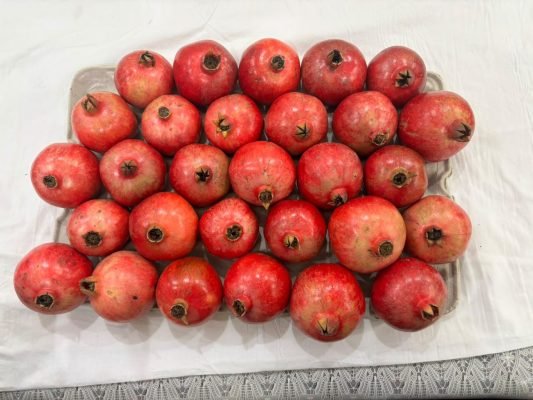
Kullu’s Sinduri Pomegranates Make Their Way to Dubai
Kullu’s Sinduri pomegranates are gaining international recognition, with 1.3 metric tonnes exported to Dubai through APEDA’s support, opening new opportunities for Himachal Pradesh’s farmers.
 OCT 22, 2026
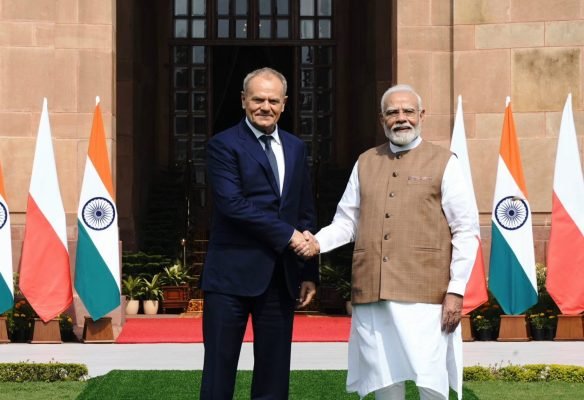
PM Modi Welcomes Poland PM Donald Tusk at Hyderabad House
Prime Minister Narendra Modi welcomes Polish Prime Minister Donald Tusk at Hyderabad House as India and Poland look to strengthen their strategic partnership and explore new avenues of cooperation.
 OCT 22, 2026
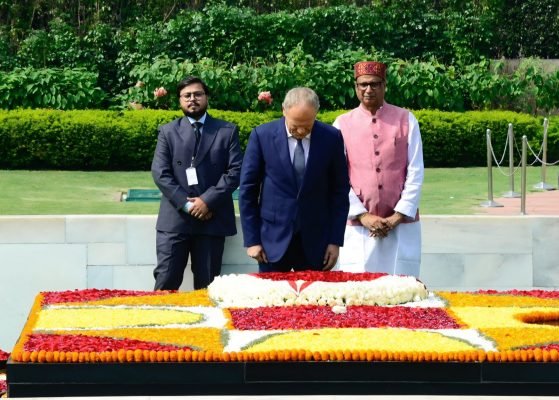
Polish PM Donald Tusk Pays Tribute to Mahatma Gandhi
Polish Prime Minister Donald Tusk paid floral tributes to Mahatma Gandhi at Rajghat in New Delhi, honouring the global legacy of peace and non-violence.
 OCT 22, 2026
Jaishankar Meets Donald Tusk, Discusses India-Poland Ties
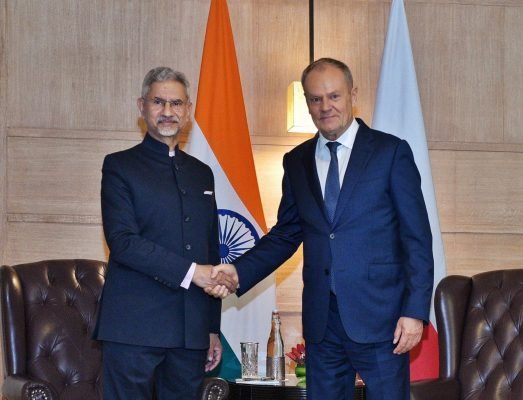
External Affairs Minister S Jaishankar met Polish Prime Minister Donald Tusk and discussed expanding bilateral cooperation ahead of Tusk’s meeting with PM Narendra Modi.