

Senior Eye Doctor Explains 6 Common Causes of Frequent Eye Irritation Beyond Excessive Screen Time
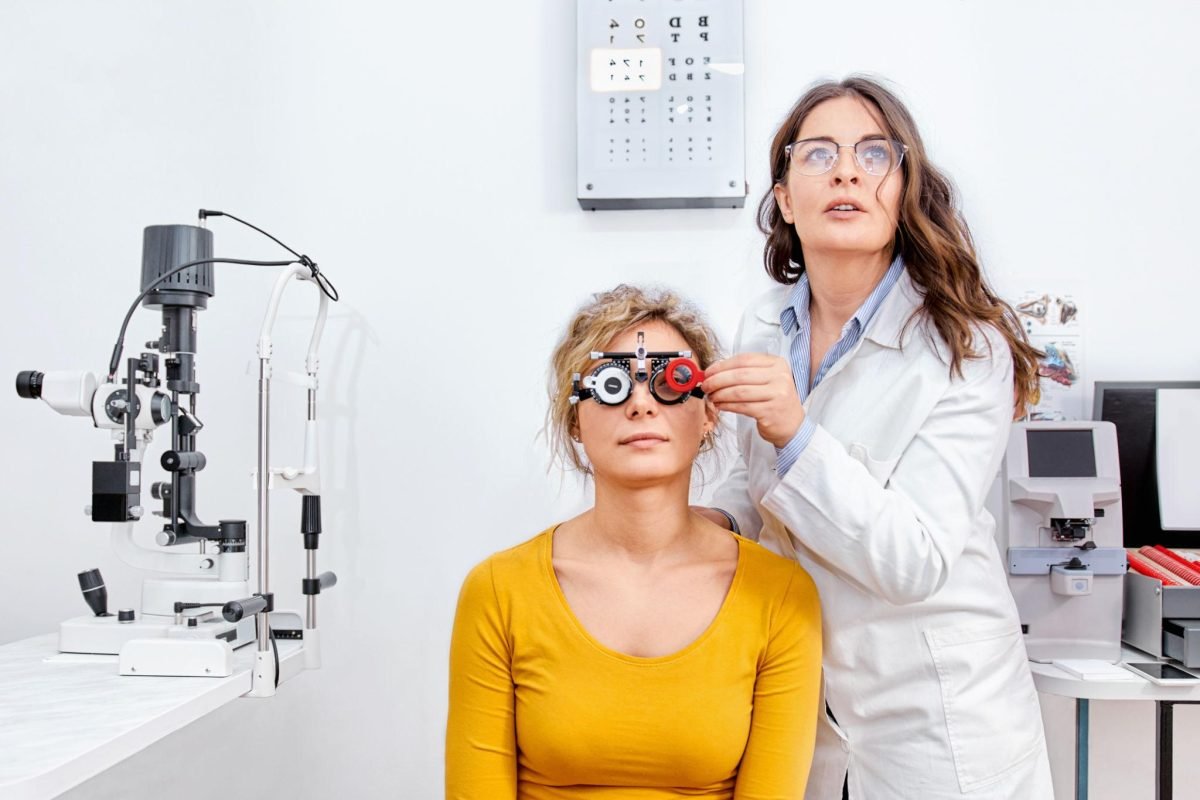
Frequent Eye Irritation? Senior Eye Doctor Reveals 6 Causes Beyond Screen Time
If your eyes constantly feel itchy, red, watery, or irritated, excessive screen time may not be the only reason behind the discomfort. While digital screens are often blamed for eye strain and dryness, experts say several overlooked factors can also trigger persistent eye irritation.
In an interview with HT Lifestyle, Dr Chanda Gupta, Senior Consultant at Sharp Sight Eye Hospitals, shared six common causes of frequent eye irritation that people often ignore. From undiagnosed allergies to hidden health conditions, understanding these causes can help protect your eye health and prevent long-term discomfort.
1. Undiagnosed Allergies Can Trigger Eye Irritation
According to Dr Chanda Gupta, allergies remain one of the leading causes of chronic eye irritation. Seasonal pollen, dust mites, pet dander, smoke, and even certain fabrics can trigger allergic conjunctivitis.
Common symptoms include:
- Redness
- Itchy eyes
- Watering
- Burning sensation
- Gritty feeling in the eyes
Many people continue living with mild allergies for years without identifying the actual trigger, assuming they simply have “sensitive eyes.”
2. Poor Contact Lens Habits May Harm Your Eyes
Your contact lens routine could also be contributing to frequent irritation. Wearing lenses for longer than recommended, sleeping with them on, or using expired lens solutions can reduce oxygen supply to the cornea and increase irritation.
Dr Gupta explained that even properly fitted lenses can become uncomfortable in dry environments, especially in air-conditioned rooms or offices where moisture levels are low.
To avoid irritation:
- Follow lens replacement schedules
- Never sleep with contact lenses
- Use fresh cleaning solution
- Give your eyes regular breaks from lenses
3. Meibomian Gland Dysfunction Is Often Overlooked
One of the most underdiagnosed causes of chronic eye discomfort is Meibomian Gland Dysfunction (MGD). These tiny glands located along the eyelids produce oils that keep the tear film stable.
When the glands become blocked due to:
- Poor diet
- Makeup residue
- Infrequent blinking
- Excessive screen exposure
the tear film evaporates quickly, causing dry, inflamed, and irritated eyes.
4. Poor Hygiene and Lifestyle Habits Can Irritate Eyes
Daily habits may also be silently affecting your eye health. Old makeup residue, unwashed pillowcases, accumulated skin oils, and dirty towels can transfer bacteria and irritants to the eyes.
Dr Gupta noted that morning irritation could indicate hygiene-related triggers. Proper makeup removal and regularly changing pillow covers may help reduce symptoms significantly.
5. Indoor Air Quality Can Dry Out Your Eyes
Environmental factors, especially poor indoor air quality, can contribute heavily to eye irritation. Air conditioners, heaters, fans, and poorly ventilated spaces reduce humidity levels and dry out the eyes.
Office environments are particularly problematic because they often lack sufficient moisture in the air, leading to tear film instability and dryness.
Simple solutions include:
- Using a humidifier
- Staying hydrated
- Taking blinking breaks
- Avoiding direct airflow to the eyes
6. Underlying Health Conditions May Be Responsible
In some cases, persistent eye irritation may signal an underlying medical condition. Health issues such as rosacea, thyroid disorders, and autoimmune diseases like Sjogren’s syndrome can first appear through symptoms like dry, irritated, or inflamed eyes.
If eye discomfort continues despite lifestyle changes and home remedies, experts recommend scheduling a comprehensive eye examination and medical evaluation.
When Should You See an Eye Doctor?
Persistent redness, burning, itching, or blurry vision should never be ignored. If symptoms continue for several days or worsen over time, seeking professional medical advice is essential.
Early diagnosis can help identify hidden causes, prevent complications, and improve overall eye comfort and vision health
Related News
 OCT 12, 2026
FIFPRO Report Finds 49% of Women Footballers Consider Leaving Football Early
A new FIFPRO report highlights the challenges facing women's football, with 49% of surveyed players considering an early exit. Financial pressures, mental health concerns, limited employment contracts and unequal access to player protections remain major issues despite the sport's growing commercial success.
 OCT 12, 2026
How New Medical Technologies Are Transforming Heart Surgery and Improving Heart Health
Advances in cardiac imaging, minimally invasive procedures and multidisciplinary care are transforming heart treatment. Discover how modern heart surgery technology helps doctors diagnose valve disease, personalise treatment and monitor recovery.
 OCT 12, 2026
How Gummies, Wellness Shots and Oils Are Transforming India’s Wellness Habits
Gummies, wellness shots, oils and powders are reshaping India's wellness habits. As consumers seek convenient daily routines, transparency, product quality and informed choices are becoming increasingly important.
 OCT 10, 2026
Psychologists Explain Why “Stop Overthinking” Doesn’t Work and What You Should Do Instead
Being told to “stop overthinking” rarely helps when your mind keeps replaying conversations and imagining worst-case scenarios. Psychologists explain why repetitive thinking happens and share practical strategies to manage anxious thoughts, tolerate uncertainty, and regain control.