

AIIMS-Trained Gastroenterologist Warns Against 6 Viral Gut Health Trends: Raw Milk, Chlorophyll Water, and More
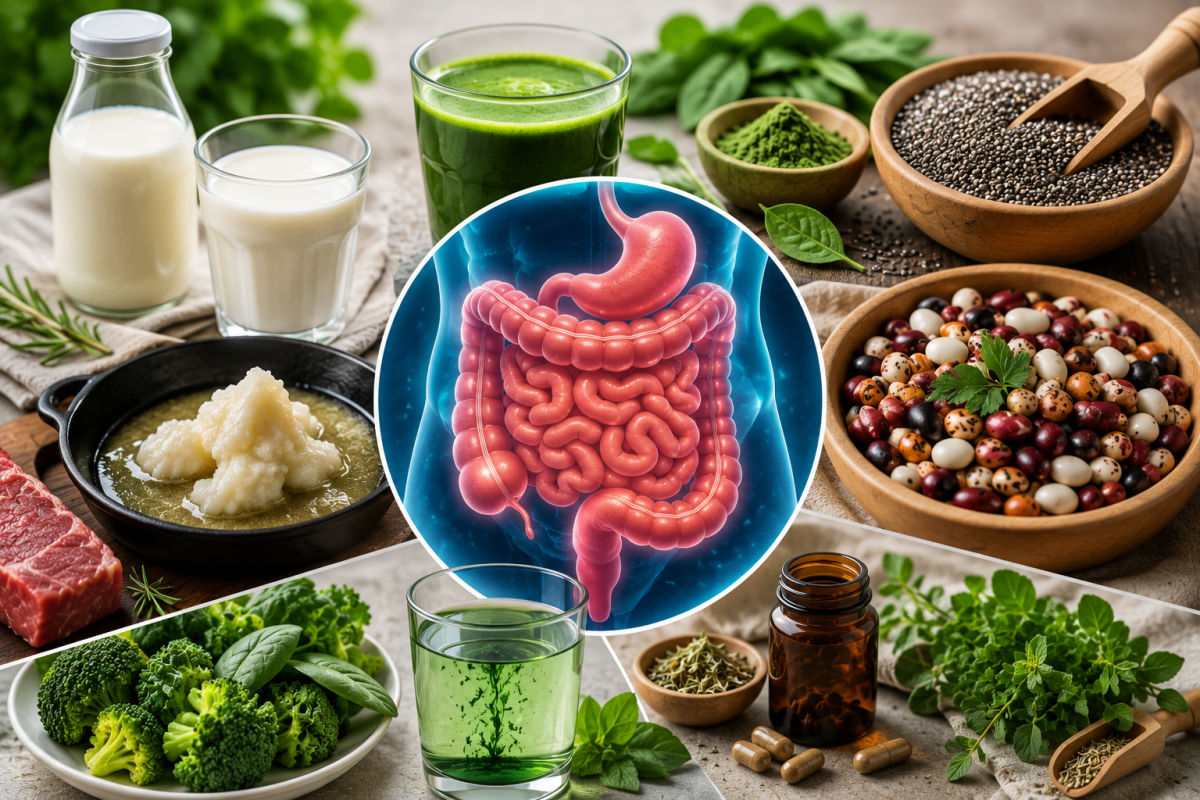
Social media has become a major source of health information for millions of people. However, not every wellness trend promoted online is backed by science. While some health advice comes from qualified professionals, many trends are popularised by influencers looking to increase engagement rather than provide evidence-based guidance.
Gut health has become one of the most talked-about wellness topics online, leading to the rise of several viral practices that promise better digestion and overall health. In an Instagram post shared on May 30, California-based gastroenterologist Dr Saurabh Sethi, who has trained at AIIMS, Harvard, and Stanford, identified six gut-health trends that he advises people to avoid.
1. Fibre Maxxing
Fibre plays an essential role in digestive health. It supports healthy gut bacteria, helps regulate blood sugar levels, and promotes regular bowel movements. However, consuming excessive amounts of fibre too quickly can lead to digestive discomfort.
The viral "fibre maxxing" trend encourages people to dramatically increase their fibre intake, often by adding ingredients such as psyllium husk, inulin, and chia seeds to smoothies.
According to Dr Sethi, consuming large quantities of fibre at once can cause significant bloating because the gut microbiome requires time to adjust. He recommends increasing fibre intake gradually while ensuring adequate water consumption.
2. Cooking Everything in Beef Tallow
Another popular trend involves replacing seed oils with animal fats such as beef tallow for all cooking purposes.
Dr Sethi notes that beef tallow contains roughly 50 percent saturated fat. Excessive consumption of saturated fats may negatively affect gut bacteria and compromise the gut barrier. While occasional use may not be harmful, relying exclusively on beef tallow for cooking could have unwanted health effects.
3. Drinking Raw Milk for Gut Health
Raw, unpasteurised milk has gained popularity on social media platforms, particularly TikTok, where some users claim it improves gut health.
Pasteurisation was developed to eliminate potentially harmful bacteria from milk. Dr Sethi warns that raw milk can contain dangerous pathogens such as Salmonella, E. coli, and Listeria. The risks associated with these infections outweigh any potential probiotic benefits, especially for children, pregnant women, older adults, and individuals with weakened immune systems.
4. Chlorophyll Water for "Gut Detox"
Chlorophyll water is often marketed as a detoxifying drink that can cleanse the digestive system. However, Dr Sethi says there is very little scientific evidence supporting these claims.
Rather than relying on chlorophyll supplements or drinks, he suggests consuming a diet rich in green vegetables, which naturally provide nutrients and fibre that support digestive health.
5. The BeanTok Challenge
The BeanTok challenge encourages participants to eat two cups of beans daily for 30 consecutive days.
Although beans are an excellent source of fibre and nutrients, suddenly introducing large quantities into the diet can cause bloating and digestive discomfort. Dr Sethi recommends gradually increasing bean consumption to allow the digestive system to adapt.
6. Parasite Cleanses
Parasite cleanses are marketed as a way to remove harmful organisms from the digestive tract and improve gut health. These regimens often involve herbal supplements and restrictive diets.
According to Dr Sethi, most digestive symptoms in developed countries are not caused by parasites. He cautions that many parasite cleanse products can irritate the gut lining and may contribute to nutrient deficiencies without providing proven benefits.
A Balanced Approach to Gut Health
Experts generally agree that sustainable habits such as eating a balanced diet, consuming adequate fibre, staying hydrated, exercising regularly, and seeking professional medical advice when needed are more effective than following viral wellness trends.
Disclaimer: This article is for informational purposes only and should not be considered medical advice. Consult a qualified healthcare professional regarding any health concerns or treatment decisions.
Note: This report is based on information shared on social media. Kolkata Today has not independently verified the claims and does not endorse them.
Related News
 OCT 10, 2026
Psychologists Explain Why “Stop Overthinking” Doesn’t Work and What You Should Do Instead
Being told to “stop overthinking” rarely helps when your mind keeps replaying conversations and imagining worst-case scenarios. Psychologists explain why repetitive thinking happens and share practical strategies to manage anxious thoughts, tolerate uncertainty, and regain control.
 OCT 10, 2026
An Ayurveda Expert Reveals Simple Daily Habits to Boost Your Body’s Natural Healing Abilities
Regenerative wellness is gaining attention as people seek sustainable ways to support healthy aging. Discover how Ayurveda, nutrition, yoga, sleep, stress management, and preventive healthcare can contribute to long-term well-being.
 OCT 10, 2026
5-Day South Sri Lanka Itinerary: Beaches, Surfing, Sunsets and Nightlife
Planning a beach getaway to South Sri Lanka? Explore this 5-day itinerary featuring Galle Fort, Weligama surfing, Mirissa beach cafes, Koggala sunsets, Hiriketiya Beach and lively coastal nightlife, plus practical tips on transport, food and packing.
 OCT 10, 2026
Skin Rashes in Children: Common Causes, Warning Signs and When to Seek Medical Help
Skin rashes in children can result from viral infections, allergies, eczema, insect bites or other conditions. A paediatrician explains common causes, symptoms to watch for and warning signs that mean parents should seek medical attention.