

Delhi Master Plan 2047: 24-Hour Zones, Transport and Low-Density Development
Delhi Master Plan 2047 is set to introduce several changes to the capital's urban planning framework, including the development of dedicated “24-hour city” zones, improved round-the-clock transportation and new provisions for low-density areas.
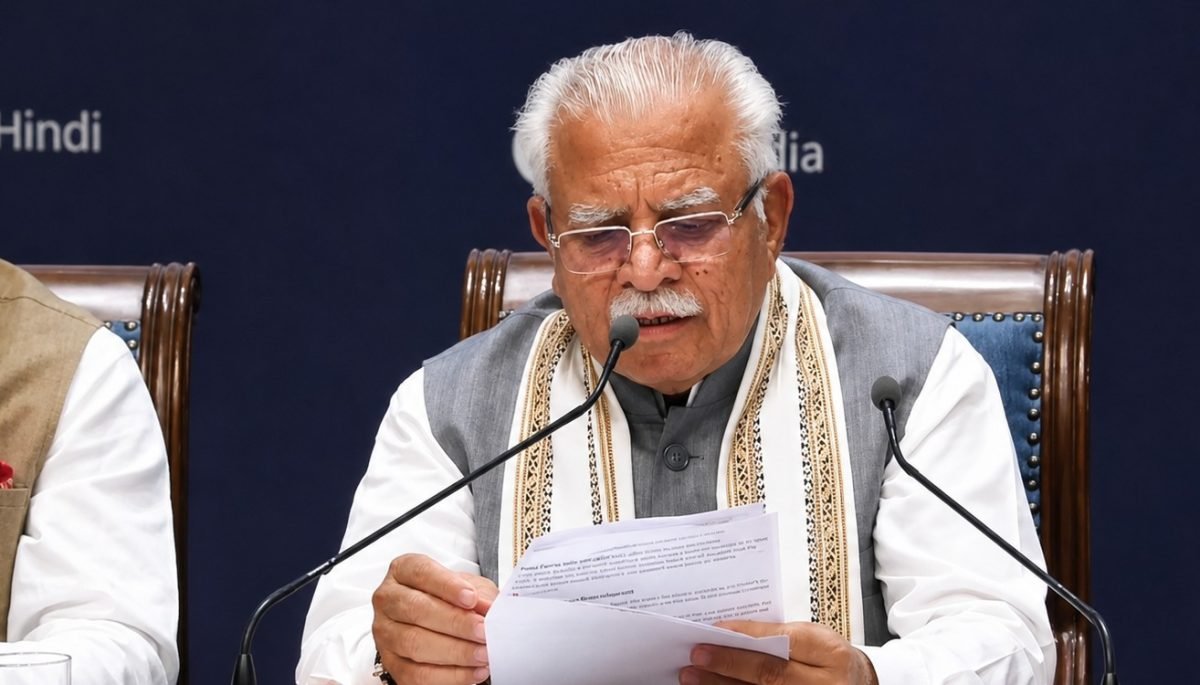
Union Minister Manohar Lal Khattar outlined several proposals under the plan, highlighting measures aimed at improving connectivity, managing congestion and regulating development in different parts of Delhi.
The proposed framework includes 24-hour operational zones, metro connectivity throughout the day, wider internal and master roads, open spaces along certain roads and revised provisions related to Transferable Development Rights (TDR) and Floor Area Ratio (FAR).
Delhi Master Plan 2047 Proposes 24-Hour City Zones
One of the key proposals under the Delhi Master Plan 2047 is the development of “24-hour city” zones.
These areas are planned to remain operational around the clock, creating spaces where commercial and other permitted activities can continue beyond conventional operating hours.
According to Khattar, provisions are being considered to ensure that these locations have access to transportation services throughout the day.
Round-the-Clock Metro Connectivity
A major component of the proposal is 24-hour public transport connectivity.
Metro services are expected to play an important role in supporting the proposed 24-hour zones. The objective is to ensure that people working or travelling during late-night and early-morning hours have access to public transportation.
Such connectivity could also help reduce dependence on private vehicles and improve mobility in areas that remain active throughout the day and night.
New Planning Rules for Low-Density Areas
The Delhi Master Plan 2047 also includes provisions for low-density development zones.
Khattar said the planning framework proposes specific road-width requirements for these areas.
Internal roads are expected to have a width of 18 metres, while master trunk roads would have a Right of Way (ROW) of 45 metres.
These provisions are intended to improve accessibility and create a more structured road network as development takes place.
Open Spaces Along Internal Roads
Congestion management is another important aspect of the proposed planning framework.
According to Khattar, layouts in these zones would require open space along plots on both sides of internal roads measuring between 15 and 18 metres.
The provision is aimed at ensuring adequate space within planned developments and preventing congestion caused by unregulated construction along road corridors.
TDR and FAR Provisions Explained
Another significant feature of the Delhi Master Plan 2047 is the proposed approach to Transferable Development Rights and Floor Area Ratio.
Under the proposal outlined by Khattar, plot owners in designated zones would receive TDR and FAR benefits based on a standard benchmark of 2.5 acres.
This means that even when a plot is smaller than 2.5 acres, the owner could receive the FAR entitlement associated with the 2.5-acre benchmark, subject to the applicable planning provisions.
What Is TDR?
Transferable Development Rights, or TDR, are planning mechanisms that allow development rights to be transferred from one property or area to another under specified rules.
TDR can be used by authorities as a tool to facilitate planned development, road expansion and other urban infrastructure requirements while providing property owners with development-related compensation or benefits.
What Is FAR?
Floor Area Ratio, commonly known as FAR, determines the amount of floor space that can be constructed on a particular plot relative to its area.
The proposed FAR provisions under the Delhi Master Plan 2047 are intended to provide a more structured approach to development in designated low-density zones.
Farmhouse Construction Restrictions
The proposed planning framework also addresses farmhouse development in low-density zones.
Khattar said farmhouses would not be permitted on plots smaller than 2.5 acres in these designated areas.
The provision is linked to the proposed 2.5-acre benchmark for TDR and FAR and is intended to prevent fragmented development on smaller plots within low-density zones.
Focus on Better Traffic Management
Traffic congestion remains one of Delhi's major urban challenges. The proposals under the Delhi Master Plan 2047 seek to address congestion through a combination of road planning, open spaces and improved public transportation.
The requirement for wider internal roads and master trunk roads is expected to provide better movement of vehicles and improve connectivity between different parts of the city.
The proposed 24-hour transport network could also support the movement of workers and residents in areas where commercial and other activities continue throughout the day.
Integrated Urban Planning
The emphasis on road width, transport connectivity, development rights and land-use regulations reflects an effort to integrate different aspects of urban planning.
Rather than addressing transportation, construction and land use separately, the proposed framework seeks to coordinate these elements within a broader development plan for Delhi.
What the Delhi Master Plan 2047 Could Mean for Residents
The proposed changes could have implications for property owners, developers, businesses and residents across Delhi.
For people living in designated low-density areas, road-width requirements and restrictions on farmhouse construction could influence future development possibilities.
For businesses, the proposed 24-hour zones could create opportunities for extended operations, provided the necessary regulations and permissions are followed.
For commuters, round-the-clock public transportation could improve accessibility, particularly for those working late-night or early-morning shifts.
Aiming for Planned and Sustainable Development
The Delhi Master Plan 2047 is being framed as a long-term approach to the capital's urban growth.
With Delhi expected to continue expanding and evolving over the coming decades, planning authorities face the challenge of balancing development with infrastructure capacity, traffic management and environmental considerations.
The proposed low-density development rules, wider roads and controlled construction provisions are intended to promote more organised growth.
At the same time, the emphasis on public transport and 24-hour connectivity could support a more accessible urban environment.
Key Proposals Under Delhi Master Plan 2047
The major points highlighted by Union Minister Manohar Lal Khattar include:
Development of dedicated 24-hour city zones.
Provision for round-the-clock transportation services in these areas.
Greater emphasis on 24-hour metro connectivity.
Internal roads of around 18 metres in designated low-density areas.
Master trunk roads with a 45-metre Right of Way.
Open spaces along plots bordering certain 15-to-18-metre internal roads.
TDR and FAR provisions based on a 2.5-acre benchmark.
Restrictions on farmhouse construction on plots smaller than 2.5 acres in specified low-density development zones.
Greater emphasis on congestion management and planned urban development.
The Delhi Master Plan 2047 proposes a broad framework for managing the capital's future growth, with particular attention to transportation, road infrastructure, land use and development rights.
The proposed 24-hour city zones and round-the-clock transport connectivity could support a more active and accessible urban economy, while wider roads and open-space requirements are aimed at improving traffic management.
Meanwhile, the proposed TDR and FAR provisions and restrictions on farmhouse construction in smaller plots could bring greater structure to development in low-density areas.
As the planning framework progresses, the detailed rules and implementation mechanisms will be important in determining how these proposals affect Delhi's residents, property owners, businesses and future urban development.
Related News
 OCT 22, 2026
Kullu’s Sinduri Pomegranates Make Their Way to Dubai
Kullu’s Sinduri pomegranates are gaining international recognition, with 1.3 metric tonnes exported to Dubai through APEDA’s support, opening new opportunities for Himachal Pradesh’s farmers.
 OCT 22, 2026
PM Modi Welcomes Poland PM Donald Tusk at Hyderabad House
Prime Minister Narendra Modi welcomes Polish Prime Minister Donald Tusk at Hyderabad House as India and Poland look to strengthen their strategic partnership and explore new avenues of cooperation.
 OCT 22, 2026
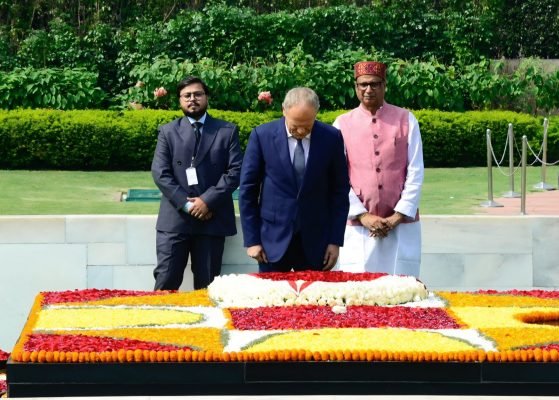
Polish PM Donald Tusk Pays Tribute to Mahatma Gandhi
Polish Prime Minister Donald Tusk paid floral tributes to Mahatma Gandhi at Rajghat in New Delhi, honouring the global legacy of peace and non-violence.
 OCT 22, 2026
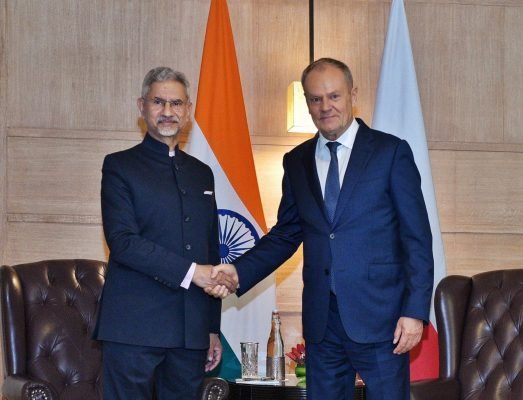
Jaishankar Meets Donald Tusk, Discusses India-Poland Ties
External Affairs Minister S Jaishankar met Polish Prime Minister Donald Tusk and discussed expanding bilateral cooperation ahead of Tusk’s meeting with PM Narendra Modi.