

Election Commission Transfers 73 Returning Officers in West Bengal Ahead of 2026 Polls
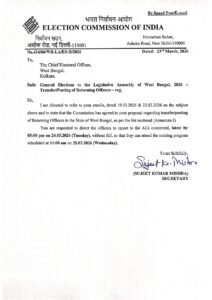
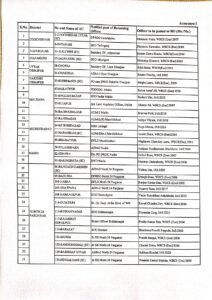 Large-Scale Reshuffle Across Key Constituencies
The reshuffle includes 23 Indian Administrative Service (IAS) officers and 50 officers from the West Bengal Civil Service (WBCS). Among the most notable changes is the transfer of the Returning Officer in the high-profile Bhabanipur constituency, currently represented by Chief Minister Mamata Banerjee.
The Commission’s directive mandates that all transferred officers report to their new assignments by 5:00 PM on March 24, followed by a compulsory training session scheduled for March 25.
Regional Distribution of Transfers
The changes have been implemented across multiple districts, with a concentration in politically sensitive regions:
North 24 Parganas: 13 officers
South 24 Parganas: 10 officers
Purba Medinipur: 10 officers
Malda, Murshidabad, and Kolkata North: 4 officers each
This widespread redistribution indicates a targeted administrative recalibration in areas considered crucial for electoral management.
Part of Broader Administrative Action
The latest reshuffle comes amid a series of high-level interventions by the ECI, which recently ordered the removal of key state officials, including the Chief Secretary, Home Secretary, and Director General of Police.
According to the Commission, these steps are aimed at creating a neutral administrative environment and preventing any undue influence during the electoral process.
West Bengal Poll Schedule
The West Bengal Assembly elections are scheduled to be held in two phases:
April 23, 2026
April 29, 2026
The counting of votes will take place on May 4, 2026.
Focus on Free and Fair Elections
The ECI has reiterated that the transfers are part of its mandate to conduct free, fair, and violence-free elections. With West Bengal’s history of politically intense contests, administrative neutrality remains a critical priority.
Large-Scale Reshuffle Across Key Constituencies
The reshuffle includes 23 Indian Administrative Service (IAS) officers and 50 officers from the West Bengal Civil Service (WBCS). Among the most notable changes is the transfer of the Returning Officer in the high-profile Bhabanipur constituency, currently represented by Chief Minister Mamata Banerjee.
The Commission’s directive mandates that all transferred officers report to their new assignments by 5:00 PM on March 24, followed by a compulsory training session scheduled for March 25.
Regional Distribution of Transfers
The changes have been implemented across multiple districts, with a concentration in politically sensitive regions:
North 24 Parganas: 13 officers
South 24 Parganas: 10 officers
Purba Medinipur: 10 officers
Malda, Murshidabad, and Kolkata North: 4 officers each
This widespread redistribution indicates a targeted administrative recalibration in areas considered crucial for electoral management.
Part of Broader Administrative Action
The latest reshuffle comes amid a series of high-level interventions by the ECI, which recently ordered the removal of key state officials, including the Chief Secretary, Home Secretary, and Director General of Police.
According to the Commission, these steps are aimed at creating a neutral administrative environment and preventing any undue influence during the electoral process.
West Bengal Poll Schedule
The West Bengal Assembly elections are scheduled to be held in two phases:
April 23, 2026
April 29, 2026
The counting of votes will take place on May 4, 2026.
Focus on Free and Fair Elections
The ECI has reiterated that the transfers are part of its mandate to conduct free, fair, and violence-free elections. With West Bengal’s history of politically intense contests, administrative neutrality remains a critical priority. Related News
 OCT 12, 2026
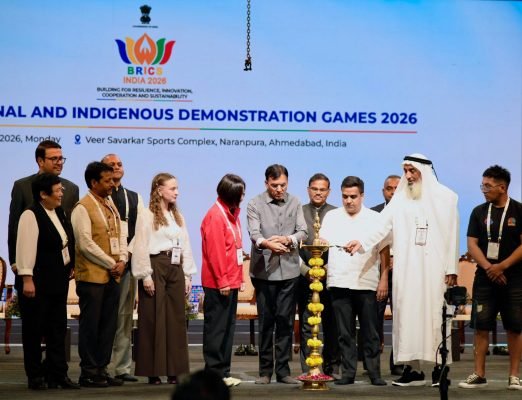
Mansukh Mandaviya Inaugurates BRICS Indigenous Sports Games 2026
Union Sports Minister Mansukh Mandaviya inaugurates the BRICS Traditional and Indigenous Sports Demonstration Games 2026 in Ahmedabad, highlighting the role of traditional sports in preserving cultural identity and fostering global collaboration.
 OCT 12, 2026
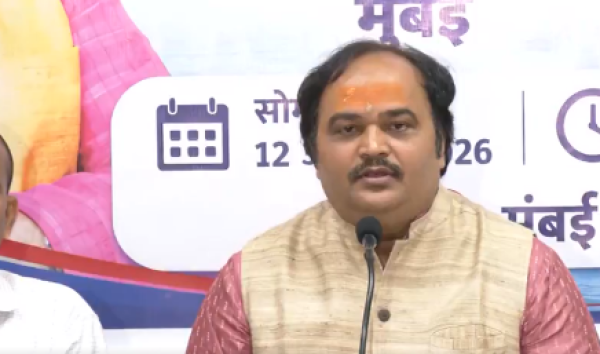
Anand Dubey Resigns from Shiv Sena UBT, Cites Ideological Differences
Mumbai, Maharashtra: Shiv Sena (UBT) leader Anand Dubey announced his resignation from the party, stepping down from both its primary membership and his position as national spokesperson. He cited ideological differences and said he had been experiencing growing discomfort with the party's public positions for several months.
 OCT 12, 2026
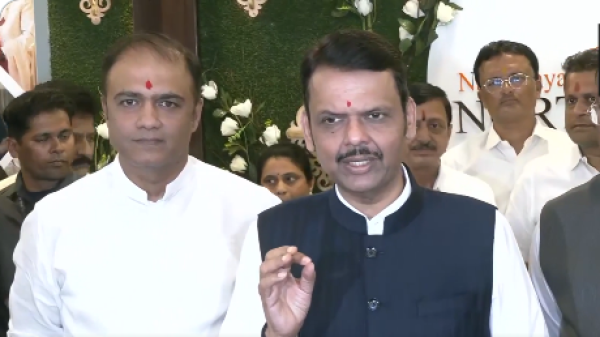
Devendra Fadnavis Targets Rahul Gandhi Over Constitution
Nagpur, Maharashtra: Chief Minister Devendra Fadnavis criticised Congress leader Rahul Gandhi over his approach to protests and demands involving the Supreme Court, arguing that constitutional grievances should be addressed through established legal procedures.
 OCT 12, 2026
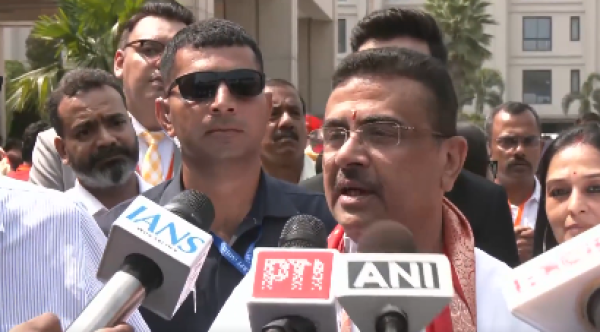
Suvendu Adhikari Highlights Chingrighata Metro Progress
New Town, West Bengal: Chief Minister Suvendu Adhikari said his government was working to fulfil Prime Minister Narendra Modi’s vision of a developed India, citing the Chingrighata Metro project as an example of progress in West Bengal.
Comments (0)