

India Air Passenger Traffic to Cross 500 Million by 2030, Says Ram Mohan Naidu
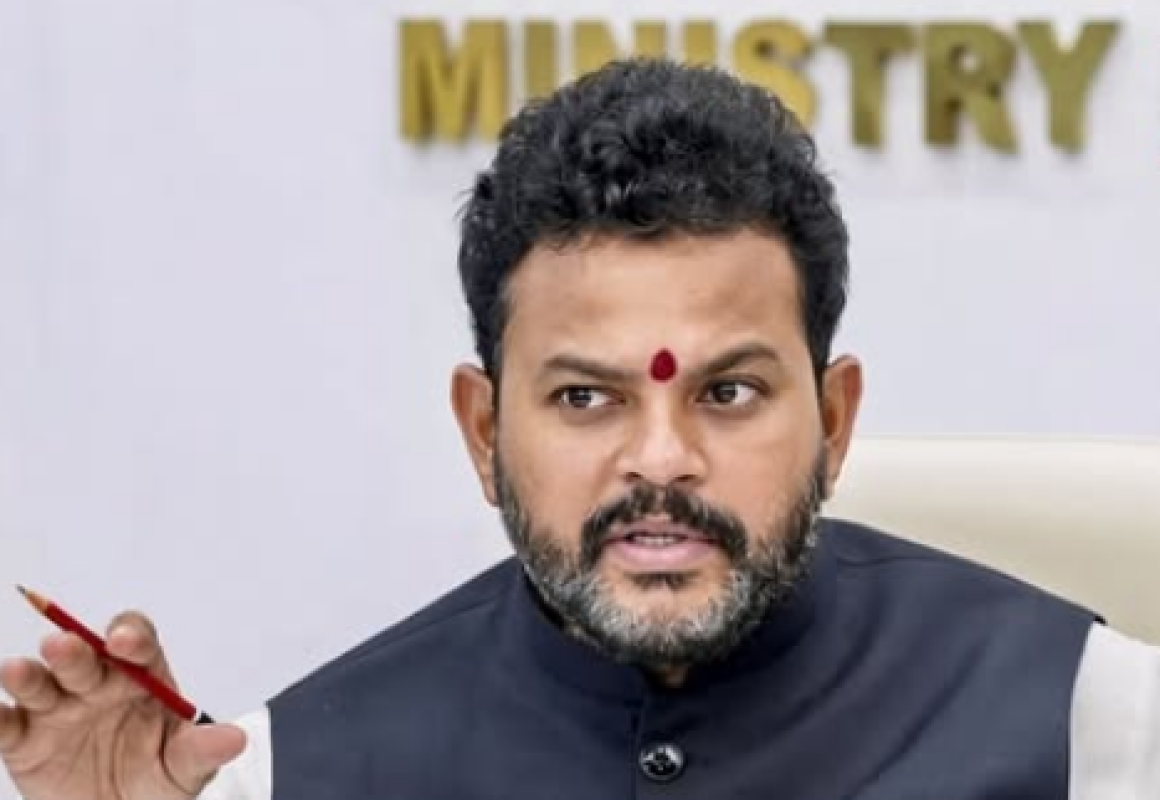
New Delhi: Union Civil Aviation Minister Kinjarapu Ram Mohan Naidu said India air passenger traffic is expected to cross 500 million by 2030, underlining the need to rapidly expand sustainable aviation infrastructure as the country’s aviation market continues to grow.
Addressing the 2nd India Sustainable Aviation Fuel Summit, Naidu said India is already the world’s third-largest domestic aviation market and could see annual passenger traffic reach one billion by 2040.
India Eyes Global Leadership in Sustainable Aviation Fuel
Naidu said India has the potential to emerge as a major global producer, innovator and supplier of Sustainable Aviation Fuel (SAF) rather than viewing cleaner aviation fuel merely as a regulatory requirement.
He said developing domestic SAF capacity could support economic growth, strengthen energy security and reduce the aviation sector’s dependence on conventional fossil-based jet fuel.
Depending on the production pathway, SAF can reduce lifecycle carbon dioxide emissions by as much as 80 per cent compared with conventional aviation fuel, according to the Civil Aviation Minister.
Agricultural Waste Could Become Aviation Fuel
India’s SAF strategy could also create new economic opportunities for farmers and rural communities.
Agricultural residue, crop waste, used cooking oil and other low-carbon feedstocks can be processed into sustainable aviation fuel. India’s earlier SAF feasibility study identified agricultural waste and other domestic feedstocks as important resources for developing a large-scale domestic SAF industry.
Using crop residue for aviation fuel could provide farmers with an additional source of income while also creating jobs in collection, processing, logistics and clean-energy production.
The approach could additionally help address the problem of agricultural residue burning in regions where crop stubble is traditionally disposed of through burning.
Government Preparing National SAF Policy
Naidu said a draft National Sustainable Aviation Fuel Policy is being prepared and has been shared with the Ministry of Petroleum and Natural Gas for comments.
The government also proposes to establish a National SAF Council to coordinate stakeholders, encourage public-private partnerships and support the scaling up of domestic production.
India has already set indicative SAF blending targets for international flights of 1 per cent in 2027, 2 per cent in 2028 and 5 per cent by 2030.
Indian Oil Gets Approval for Commercial SAF Production
Domestic production is also beginning to take shape.
Indian Oil Corporation has received government approvals to commercially supply SAF from its Panipat refinery, with the facility expected to be capable of meeting India’s initial 1 per cent blending requirement for international flights in 2027.
Other public-sector oil companies, including BPCL and HPCL, have also been working towards SAF certification and production capabilities as India prepares for wider adoption of cleaner aviation fuel.
Aviation Growth and Sustainability to Move Together
The government’s SAF push comes as India prepares for a sharp expansion in air travel over the coming decade.
Naidu said sustainable fuel should be viewed not only as a way to reduce aviation emissions but also as an opportunity to develop new industries across agriculture, energy, manufacturing and technology.
With passenger traffic projected to cross 500 million by 2030, India’s ability to scale SAF production will play an increasingly important role in balancing aviation growth with its long-term climate and energy-security goals.
Related News
 NOV 17, 2026
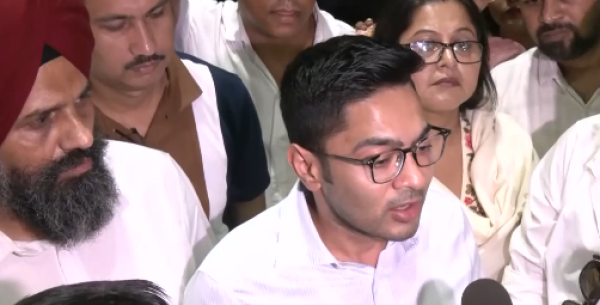
Abhishek Banerjee Responds to Calcutta High Court Show-Cause Notice
TMC MP Abhishek Banerjee responded to the Calcutta High Court show-cause notice, saying he never called judges BJP members but stood by his allegation of political pressure.
 NOV 17, 2026
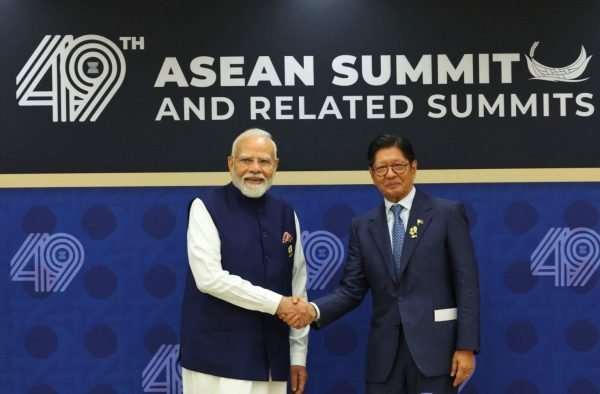
PM Modi Meets Philippines President Ferdinand Marcos Jr. to Strengthen Bilateral Ties
Prime Minister Narendra Modi met Philippine President Ferdinand Marcos Jr. in Manila, discussing ways to strengthen the India-Philippines Strategic Partnership across defence, maritime security, space, technology, infrastructure and energy.
 NOV 17, 2026
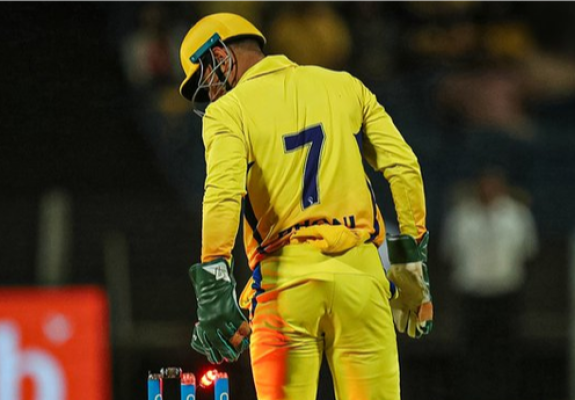
MS Dhoni Appointed Chennai Super Kings Team Mentor
Chennai Super Kings have appointed MS Dhoni as Team Mentor, giving the five-time IPL-winning captain a new role with the franchise he has represented since 2008.
 NOV 17, 2026
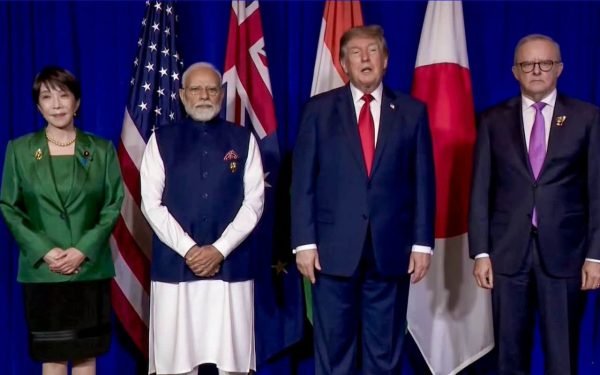
PM Modi Calls Quad a Trusted Indo-Pacific Partnership
Prime Minister Narendra Modi has described the Quad as a “constructive and trusted” partnership, emphasising its role in strengthening maritime security, trusted supply chains, new technologies and disaster response across the Indo-Pacific
Comments (0)