

Martin Scorsese Backs AI, Partners With Black Forest Labs
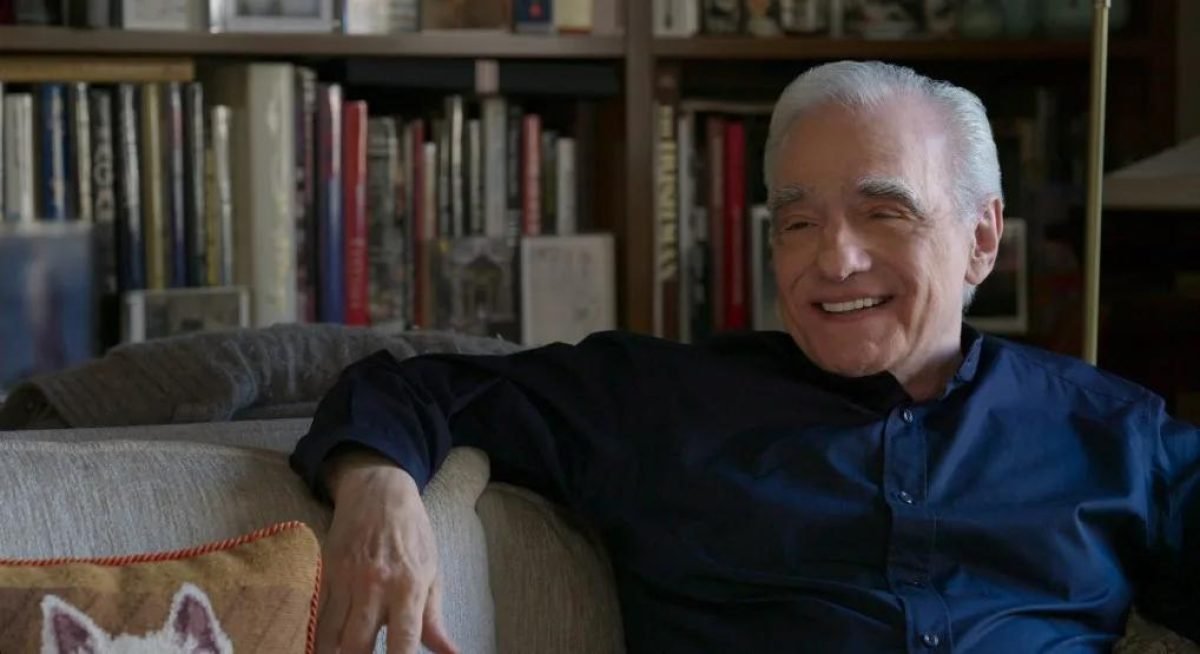
The legendary director behind cinematic classics including Taxi Driver, Raging Bull, Goodfellas, Cape Fear, The Aviator, Shutter Island, and The Irishman believes artificial intelligence can enhance the filmmaking process without replacing creativity.
Martin Scorsese Uses AI for Film Storyboarding
Scorsese, 83, revealed that he has been experimenting with Black Forest Labs' FLUX image-generation model during the pre-production phase of a new project. The technology allows filmmakers to quickly visualize scenes and communicate ideas more effectively with cast and crew members.
According to Scorsese, the experience has been both practical and creatively liberating.
"For 70 years, I've been creating my own storyboards. There's always been this problem of how do you communicate what you see in your head to your cast and crew," he said.
The filmmaker described the AI-powered workflow as a major advantage during pre-production, where time and efficiency are crucial.
"I recently tested this out on a scene and the ability to visualize and immediately share the storyboard was creatively freeing. During the pre-production process, time costs money, and this allowed us to move faster without sacrificing quality or craft."
Why Martin Scorsese Sees AI as the Future of Filmmaking
Scorsese has long been known for embracing technological innovation in cinema. Over the years, he has experimented with 3D filmmaking in Hugo and used advanced de-aging visual effects in The Irishman.
The acclaimed director believes artificial intelligence represents another step in the evolution of filmmaking technology.
"Cinema is a young medium, only around 125 years old, so we have to be open to how it can evolve," he said.
In a demonstration video recorded at his New York office, Scorsese showcased how the FLUX model can help filmmakers plan complex sequences more efficiently.
Reflecting on the iconic Copacabana tracking shot from Goodfellas, he explained how such scenes previously required painstaking planning and visualization.
"If you have a tool like this, you could figure it out much quicker, save production time, and reduce wear and tear on the crew," he said.
What Is Black Forest Labs?
Black Forest Labs is a Germany-based artificial intelligence company founded in 2024. The startup has gained attention for its FLUX family of generative AI models, which are designed to create high-quality images from text prompts and assist creative professionals.
The company was co-founded by CEO Robin Rombach, who described Scorsese's involvement as a major validation of the technology's capabilities.
"It's a great proof point that this works," Rombach told The New York Times.
According to reports, Scorsese was introduced to Black Forest Labs through investment firm BroadLight Capital, whose co-founders include his longtime manager Rick Yorn.
Hollywood's Growing Interest in Artificial Intelligence
Scorsese is not the only acclaimed filmmaker exploring AI-powered tools.
Director James Cameron, known for blockbuster franchises including Avatar, Titanic, and The Terminator, serves on the board of Stability AI, the company behind the widely used Stable Diffusion image-generation model.
Meanwhile, The Lord of the Rings filmmaker Peter Jackson recently compared artificial intelligence to visual effects technology, describing it as another tool available to filmmakers.
The growing adoption of AI across Hollywood reflects a broader industry debate about how artificial intelligence can support creative work while preserving artistic integrity.
Not Everyone in Hollywood Supports AI
Despite increasing interest in AI tools, opinions remain divided within the film industry.
Steven Spielberg has expressed caution about artificial intelligence, saying he views it as a useful tool but remains uncomfortable with the idea of AI-generated screenplays.
Similarly, Oscar-winning filmmaker Guillermo del Toro has emerged as one of the industry's strongest critics of generative AI. The Pan's Labyrinth director has repeatedly argued that authentic artistic expression cannot be replicated through automated systems.
The debate highlights the growing tension between technological innovation and traditional creative processes as AI becomes increasingly integrated into entertainment production.
Martin Scorsese's AI Partnership Signals a New Era
Scorsese's decision to join Black Forest Labs marks one of the highest-profile endorsements of generative AI from a major Hollywood filmmaker.
While the director maintains that creativity remains at the heart of filmmaking, he believes artificial intelligence can streamline production workflows, improve communication, and help bring complex visual ideas to life more efficiently.
As AI continues to transform industries worldwide, Scorsese's embrace of the technology suggests that even cinema's most respected storytellers are beginning to explore how artificial intelligence can fit into the future of filmmaking.
Related News
 OCT 13, 2026
Avneet Kaur Steals the Spotlight With Her Radiant Beauty, Chic Style, and Effortless Charm
Avneet Kaur is once again capturing attention with her stunning appearance, infectious smile, and effortlessly fashionable style
 OCT 13, 2026
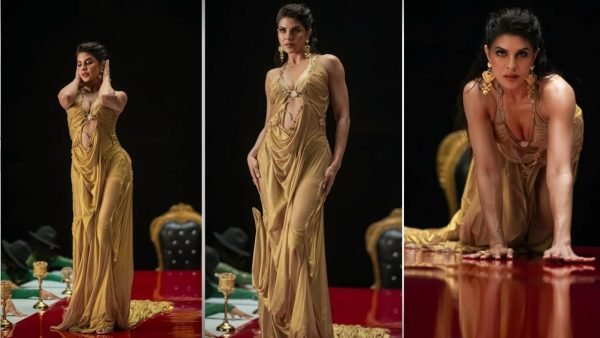
Jacqueline Fernandez Turns Heads With Golden Glamour, Radiant Beauty, and Effortless Elegance
Jacqueline Fernandez continues to embody the captivating blend of glamour, confidence, and sophistication that makes her one of Bollywood’s most recognizable style personalities.
 OCT 12, 2026
Jacqueline Fernandez Stuns in Dreamy Floral Saree With Timeless Elegance
Jacqueline Fernandez looks breathtaking in a dreamy pastel floral saree, combining delicate lace detailing, statement earrings and effortless confidence in her latest glamorous pictures.
 OCT 10, 2026
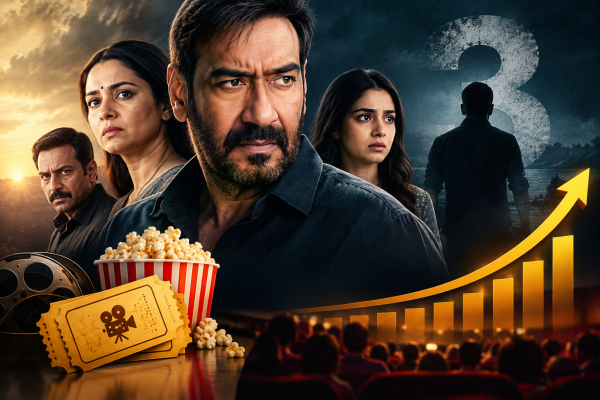
Drishyam 3 Box Office Collection Day 9: Ajay Devgn’s Thriller Sees Second Saturday Surge, Crosses ₹285 Crore
Drishyam 3 continues its impressive box office run as Ajay Devgn’s crime thriller reportedly collects ₹26.50 crore on its second Saturday, taking its total India net collection to ₹286.50 crore and bringing it closer to the ₹300 crore milestone.