

Nandigram: A Continuing Fight for Justice and the Rights of Its People
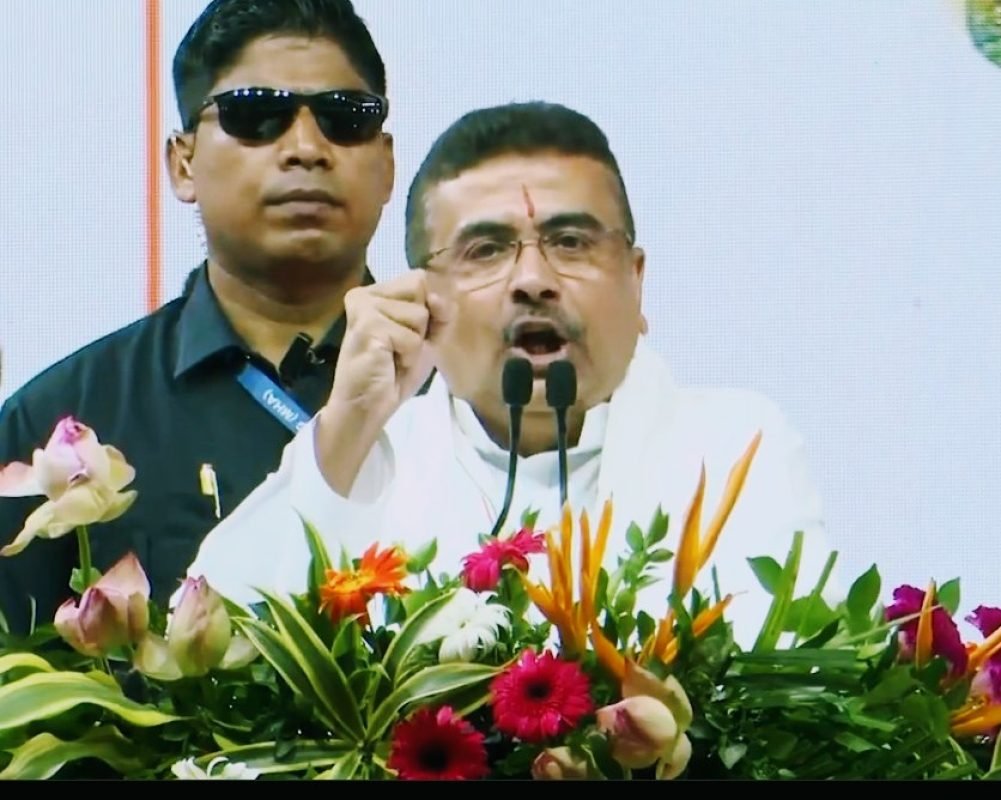
Nandigram has long been associated with political resistance and movements against oppression. A fresh political message from the region has highlighted the government's claims of delivering justice to affected families, supporting those associated with the movement and addressing cases allegedly filed against local residents.
According to the statement, the administration has taken steps including securing court-ordered death certificates, providing employment opportunities to families of those described as martyrs and reviewing hundreds of cases that were allegedly registered against people during earlier periods of political conflict.
Nandigram and Its History of Political Resistance
The political history of Nandigram has been marked by major movements and intense political contestation. The region became particularly prominent during the anti-land acquisition movement in the 2000s, which played an important role in shaping West Bengal's political landscape.
Supporters of the movement have frequently portrayed Nandigram as a symbol of resistance and political mobilisation.
The latest statement draws a connection between that history and the current government's efforts to address grievances of families affected by past political violence and conflict.
From Resistance to Political Change
The political developments in Nandigram have had consequences far beyond the constituency itself. The region became a major electoral battleground and was later associated with a significant shift in West Bengal politics.
The statement argues that electoral victory alone was not the objective and that the focus subsequently shifted towards addressing issues faced by people associated with the movement.
Court-Ordered Death Certificates for Affected Families
One of the measures highlighted is the securing of death certificates through court orders for individuals whose families had previously faced difficulties obtaining official documentation.
Death certificates can be crucial for families seeking to settle legal, financial and administrative matters following a death.
The statement presents these certificates as part of a broader effort to formally recognise the circumstances surrounding affected individuals and provide their families with access to government processes and benefits.
Jobs for Martyr Families
Another major point raised in the statement concerns employment opportunities for families of those described as martyrs.
Providing employment or other forms of assistance to families affected by political violence can form an important component of rehabilitation and social support.
The government has portrayed such measures as an effort to acknowledge the sacrifices made by individuals associated with the Nandigram movement and to support their families.
Supporting Families Through Rehabilitation
For families that have experienced the loss of a member, access to employment and government support can provide financial stability and help them rebuild their lives.
The issue of support for affected families has remained an important part of political discussions surrounding Nandigram.
Review of Allegedly False Cases
The statement also claims that hundreds of false cases filed against local residents are being actively addressed.
The issue of politically motivated or allegedly false criminal cases has been a recurring concern in discussions about political violence in West Bengal.
A review of such cases can involve examining the available evidence and following established legal procedures. Any decision concerning withdrawal, closure or further investigation of a case must ultimately follow the applicable legal process.
Legal Process and Accountability
Addressing allegations of politically motivated cases requires transparency and adherence to the law. The objective, according to the statement, is to ensure that residents are not subjected to prolonged legal difficulties because of political intimidation.
Related News
 OCT 11, 2026
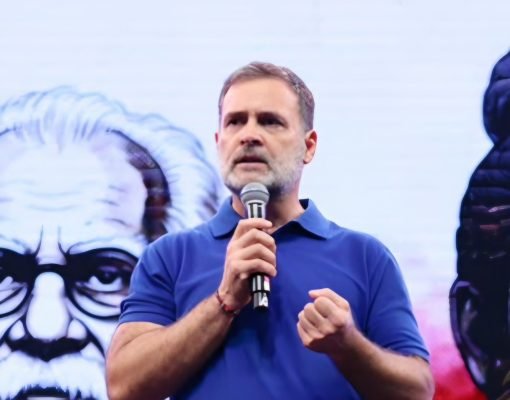
Rahul Gandhi Reiterates Fight Against Modi, Calls on Students to Stay Fearless
Rahul Gandhi has assured students in Delhi of his support, urging them to keep asking questions while accusing Narendra Modi and other senior figures of undermining Indian democracy and electoral integrity.
 OCT 11, 2026
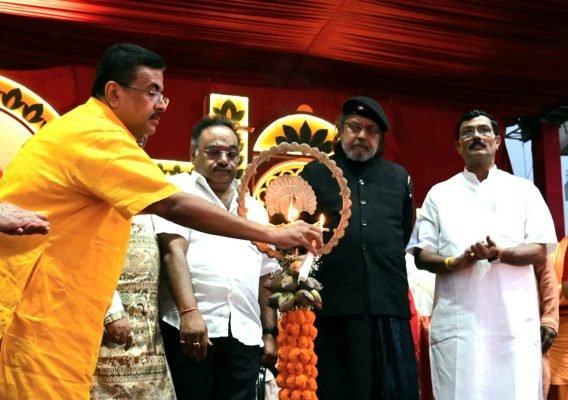
Suvendu Adhikari Leads Mahalaya Celebrations in Kolkata
West Bengal Chief Minister Suvendu Adhikari joined the colourful Mahalaya procession on Kolkata’s Red Road before presiding over the grand commencement of Durga Puja 2026 at Eden Gardens, featuring 3,000 dhakis, cultural performances and a spectacular drone show.
 OCT 11, 2026
Trump Says Zelenskyy Could Have Ended Ukraine War Several Times
US President Donald Trump has accused Volodymyr Zelenskyy of missing opportunities to end the Ukraine war and warned against attacks on refineries and diesel fuel infrastructure.
 OCT 10, 2026
Mithun Chakraborty Says ‘Fear-Free Bengal Has Truly Arrived’
West Bengal government cultural advisor Mithun Chakraborty said the large festive turnout in Kolkata showed that a “fear-free Bengal” had arrived.