

NCW Receives Around 1.5 Lakh Complaints Annually, Domestic Violence Tops Cases
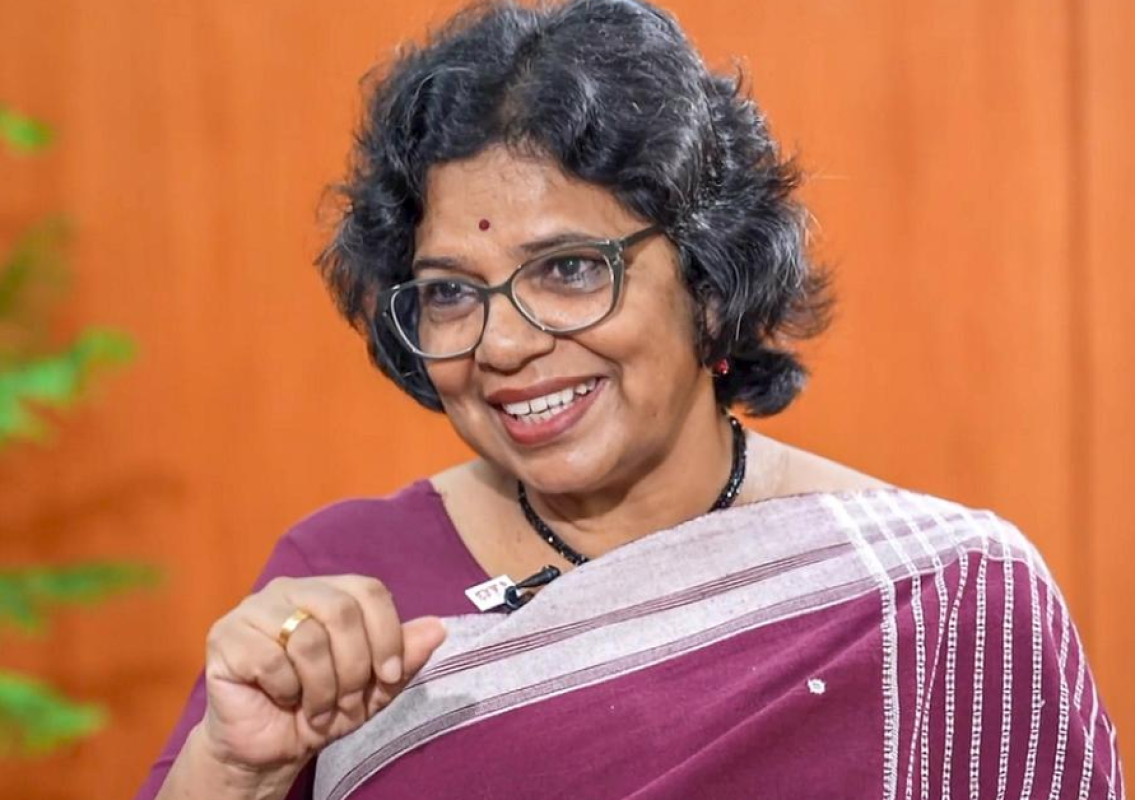
The National Commission for Women receives around 1.5 lakh complaints every year, with domestic violence accounting for the highest number of cases within its mandate, NCW Chairperson Vijaya Rahatkar has said.
In an interview with PTI, Rahatkar said women can approach the commission through multiple channels, including its online complaint portal, Management Information System, email, in-person visits and a 24-hour helpline.
Domestic Violence Accounts for Highest Complaints
Rahatkar said domestic violence remains the largest category among complaints handled by the commission.
Historical NCW data also shows domestic violence as one of its biggest complaint categories. In 2023-24, the commission recorded 6,487 complaints under protection against domestic violence, second only to complaints classified under the right to live with dignity.
The commission recorded 28,650 complaints overall during that financial year.
Women Can Call NCW Helpline 14490
Rahatkar stressed that women should not remain unaware of how to seek help from the commission.
She highlighted the NCW’s 14490 helpline number and its online complaint facilities, saying no woman should feel unable to approach the commission simply because she does not know the filing procedure.
Complaints can also be submitted personally or through electronic channels.
‘Rashtriya Mahila Aayog Aapke Dwar’ Takes NCW to Women
The NCW chairperson also highlighted the commission’s outreach initiative, Rashtriya Mahila Aayog Aapke Dwar, under which public hearings are organised in different parts of the country.
Rahatkar said the idea was to take the commission directly to women who may find it difficult to travel to Delhi or use formal complaint mechanisms.
The NCW has used these public hearings to consider pending complaints as well as walk-in grievances involving issues such as domestic violence, dowry harassment, sexual assault and cybercrime.
More Than 200 In-Person Hearings Held
Rahatkar said more than 200 in-person public hearings had been conducted in villages and other locations across India during the roughly one-and-a-half years since she assumed office.
She said these hearings allowed the commission to meet women directly and work with police, district administrations and legal-services authorities to resolve complaints.
NCW Also Conducts Legal-Awareness Programmes
Alongside grievance redressal, the commission runs programmes aimed at educating women about their legal rights.
Rahatkar said building awareness was essential because women may sometimes hesitate to report abuse or may be unaware of the legal and institutional mechanisms available to them.
The commission’s outreach model therefore combines public hearings with information about women’s legal protections.
Rahatkar Says NCW Should Feel Like a ‘Maayka’
Rahatkar said she wanted women to view the National Commission for Women as their “maayka”, or maternal home.
She said women should be able to approach the institution without fear or hesitation when facing a problem.
The remark reflects her broader emphasis on making the commission more accessible at the grassroots level.
Complaints Cover Wide Range of Issues
NCW complaint data shows that cases handled by the commission extend beyond domestic violence.
Major categories have historically included:
Right to live with dignity
Domestic violence
Dowry harassment
Police apathy toward women
Sexual harassment
Rape and attempted rape
Cybercrime against women
Stalking and voyeurism
In 2023-24, complaints involving the right to live with dignity numbered 8,271, while dowry and harassment of married women accounted for 4,815 cases.
NCW Focuses on Easier Access to Redressal
The NCW domestic violence complaints figures underline both the scale of grievances reaching the commission and the importance of making complaint mechanisms accessible outside major cities.
Rahatkar said the combination of online services, helplines and local public hearings was intended to ensure women could seek help regardless of where they lived or how familiar they were with formal procedures.
Related News
 NOV 10, 2026
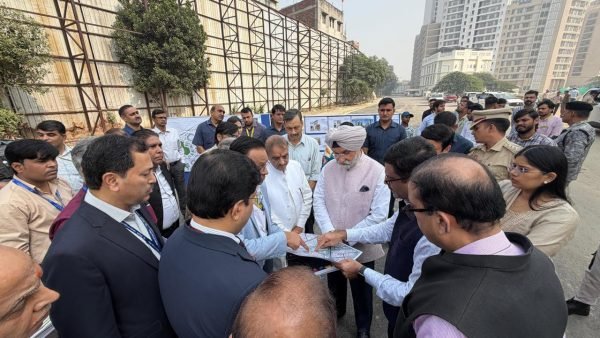
Delhi LG Reviews East Delhi Hub at Karkardooma, Orders Faster Completion
Delhi Lieutenant Governor V K Saxena reviewed the East Delhi Hub project at Karkardooma and directed DDA and NBCC to accelerate pending work and statutory clearances.
 NOV 10, 2026
Himachal Pushes Improved Dairy and Goat Breeds to Strengthen Rural Economy
Rampur SDM Harsh Amarender Singh said Himachal Pradesh is working with the Animal Husbandry Department to introduce improved dairy and goat breeds for farmers.
 NOV 10, 2026
Asaduddin Owaisi Criticises Maharashtra UCC Questionnaire, Calls It ‘Hindu Civil Code’
AIMIM president Asaduddin Owaisi criticised Maharashtra’s UCC consultation, alleging the questionnaire unfairly focuses on practices affecting minority communities.
 NOV 10, 2026
Sarbananda Sonowal Launches Namo Yamuna River Safari in Delhi
Union Minister Sarbananda Sonowal launched the Namo Yamuna River Safari at Sonia Vihar, calling the project an example of India’s growing inland waterways vision.
Comments (0)