

Are Indian Mothers Facing Hidden Nutrient Deficiencies? Gynaecologist Reveals 4 Key Gaps Causing Fatigue, Brain Fog and Poor Sleep
Are Indian Mothers Ignoring Hidden Nutrient Deficiencies?
The conversation around maternal health often focuses on emotional care and work-life balance, but an equally important issue frequently goes unnoticed — nutrient deficiencies in Indian mothers.
From managing households and careers to caring for children and elderly family members, mothers often put their own health last. Constant exhaustion, body aches, low mood, poor sleep, and memory lapses are commonly dismissed as “stress” or “normal tiredness.” However, experts warn these symptoms may actually point to underlying nutritional deficiencies.
Ahead of Mother's Day on May 10, health experts are encouraging women to prioritise their nutrition and overall well-being.
According to Dr Shaily Kapur, several nutritional gaps are extremely common among Indian women but can often be corrected through simple dietary improvements and supplements when required.
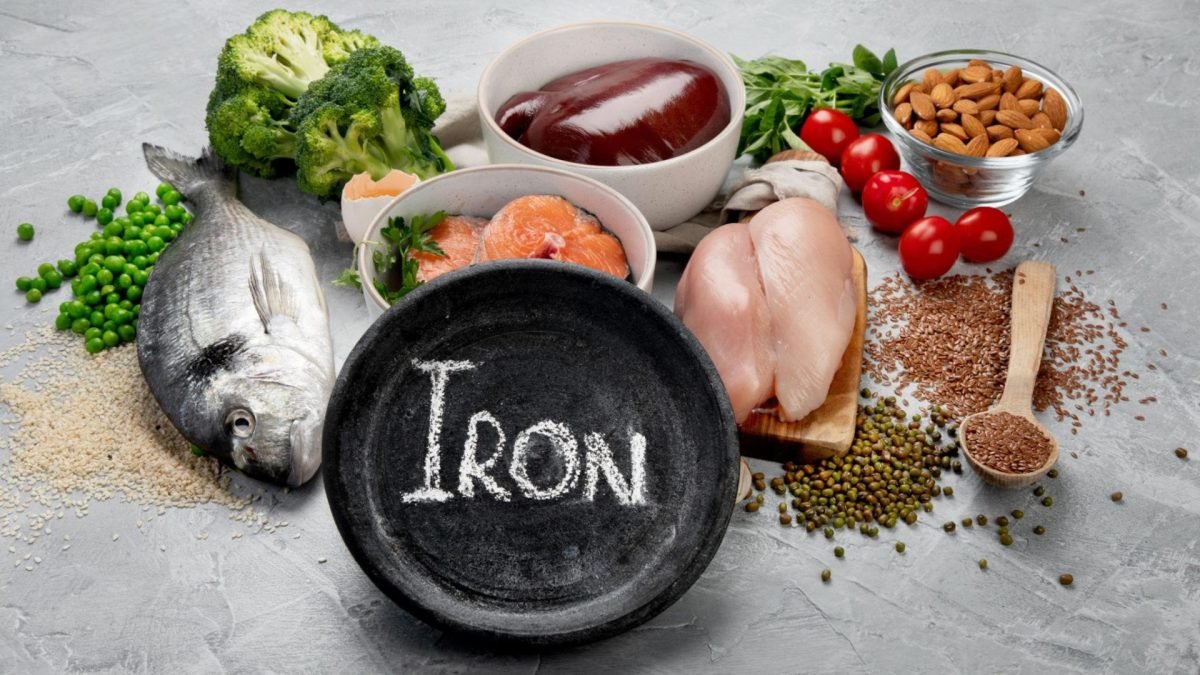
1. Iron Deficiency Can Cause Constant Fatigue
One of the most common nutrient deficiencies in Indian mothers is iron deficiency.
According to Dr Shaily Kapur, symptoms such as:
- Persistent tiredness
- Weakness
- Dizziness
- Breathlessness after mild activity
may indicate low iron levels.
Iron deficiency can lead to anaemia, a condition where the body struggles to transport enough oxygen to organs and tissues, resulting in low energy levels and chronic fatigue.
Best Iron-Rich Foods for Women
To improve iron levels, experts recommend including:
- Spinach
- Lentils
- Leafy green vegetables
- Legumes
- Beetroot
in daily meals.
In severe cases, iron supplements may also be required after medical consultation.
2. Vitamin B12 Deficiency May Trigger Brain Fog
Frequently forgetting things, struggling to focus, or feeling mentally exhausted could be signs of Vitamin B12 deficiency.
The doctor explained that Vitamin B12 deficiency often presents itself as:
- Brain fog
- Poor concentration
- Forgetfulness
- Fatigue
Vegetarians are particularly vulnerable because Vitamin B12 is primarily found in animal-based foods.
How Vegetarians Can Improve Vitamin B12 Levels
Women following vegetarian diets can include:
- Paneer
- Milk
- Curd
- Cheese
in their meals to improve Vitamin B12 intake.
However, supplementation is often necessary to meet daily requirements.
3. Vitamin D Deficiency Is Becoming a ‘Silent Epidemic’
Modern indoor lifestyles have also contributed to rising Vitamin D deficiency among Indian women.
According to Dr Shaily Kapur, insufficient sunlight exposure affects not only bone health but also mood and immunity.
Common Signs of Vitamin D Deficiency
- Bone pain
- Low mood
- Fatigue
- Weak immunity
- Muscle weakness
Experts recommend spending time in early morning sunlight and consulting a healthcare professional about Vitamin D supplements if necessary.
4. Magnesium Deficiency Can Affect Sleep Quality
If you experience:
- Difficulty sleeping
- Muscle cramps
- Restless legs
- Poor sleep quality
you may be lacking magnesium.
Magnesium plays an essential role in muscle function, relaxation, and sleep regulation.
Foods Rich in Magnesium
To naturally increase magnesium levels, include:
- Pumpkin seeds
- Bananas
- Nuts
- Dark leafy greens
in your diet regularly.
These foods may help improve sleep quality and reduce muscle discomfort.
Protein Deficiency Is Also Common in Indian Mothers
Apart from micronutrients, experts also warn that protein deficiency is extremely common among Indian women.
Many traditional Indian meals are heavily carbohydrate-based, consisting mainly of rice, roti and limited protein portions.
A low-protein diet can result in:
- Sluggishness
- Weak muscles
- Slow recovery
- Low stamina
Best Protein Sources for Indian Diets
The doctor recommends including protein in every meal through foods like:
Vegetarian Protein Sources
- Dal
- Chickpeas
- Paneer
- Lentils
- Soy products
Non-Vegetarian Protein Sources
- Eggs
- Chicken
- Fish
Balanced protein intake is essential for muscle repair, energy, and overall health.
Why Indian Mothers Need to Prioritise Nutrition
Health experts stress that women often ignore early warning signs of nutritional deficiencies until symptoms become severe.
Simple lifestyle changes like:
- Eating balanced meals
- Getting regular sunlight
- Staying hydrated
- Sleeping adequately
- Taking supplements when prescribed
can significantly improve energy levels, sleep quality, mood and long-term health.
This Mother's Day, experts encourage families to support mothers not just emotionally, but nutritionally too.
Related News
 OCT 12, 2026
FIFPRO Report Finds 49% of Women Footballers Consider Leaving Football Early
A new FIFPRO report highlights the challenges facing women's football, with 49% of surveyed players considering an early exit. Financial pressures, mental health concerns, limited employment contracts and unequal access to player protections remain major issues despite the sport's growing commercial success.
 OCT 12, 2026
How New Medical Technologies Are Transforming Heart Surgery and Improving Heart Health
Advances in cardiac imaging, minimally invasive procedures and multidisciplinary care are transforming heart treatment. Discover how modern heart surgery technology helps doctors diagnose valve disease, personalise treatment and monitor recovery.
 OCT 12, 2026
How Gummies, Wellness Shots and Oils Are Transforming India’s Wellness Habits
Gummies, wellness shots, oils and powders are reshaping India's wellness habits. As consumers seek convenient daily routines, transparency, product quality and informed choices are becoming increasingly important.
 OCT 10, 2026
Psychologists Explain Why “Stop Overthinking” Doesn’t Work and What You Should Do Instead
Being told to “stop overthinking” rarely helps when your mind keeps replaying conversations and imagining worst-case scenarios. Psychologists explain why repetitive thinking happens and share practical strategies to manage anxious thoughts, tolerate uncertainty, and regain control.