

FCRA Amendment Bill 2026: Centre Sends Controversial Bill to JPC for Review
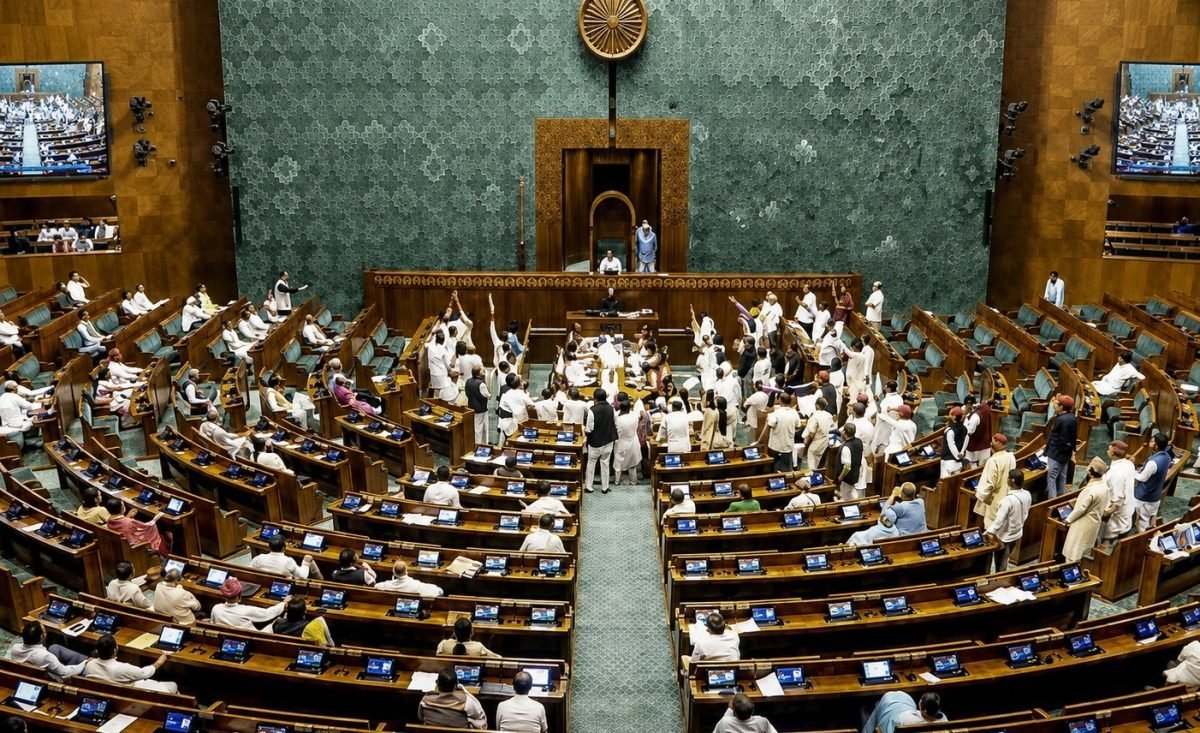
FCRA Amendment Bill 2026 has been referred to a Joint Parliamentary Committee (JPC) for further examination, marking a significant development after concerns were raised by Opposition parties and several minority organisations over the proposed changes to the Foreign Contribution (Regulation) Act.
The Lok Sabha adopted a motion moved by Minister of State for Home Nityanand Rai to send the contentious legislation to a JPC. The motion was passed amid disruptions in the House, allowing the proposed amendments to undergo further parliamentary scrutiny.
Centre Moves to Refer FCRA Bill to JPC
The decision to refer the FCRA Amendment Bill 2026 to a Joint Parliamentary Committee came after sustained Opposition protests over the legislation.
The move also followed appeals from several
Christian organisations, which reportedly urged the Centre to either refer the Bill to a JPC or withdraw it.
On August 9, a number of Christian organisations used social media platforms, including YouTube, Facebook and WhatsApp, to voice concerns about the proposed legislation and seek further review.
Their appeals called for greater parliamentary examination of the Bill's provisions before any final decision is taken.
Opposition Had Raised Concerns Since Bill's Introduction
The FCRA Amendment Bill 2026 was introduced in the Lok Sabha on March 25. Since its introduction, Opposition parties have repeatedly objected to several provisions of the proposed legislation.
The Bill was also included among the legislations listed for consideration and passage during the ongoing Monsoon Session of Parliament.
With the Bill now before a Joint Parliamentary Committee, MPs will have additional time to examine its provisions, assess their potential impact and consider concerns raised by different stakeholders.
What Does the FCRA Amendment Bill Propose?
One of the most significant provisions of the Bill concerns foreign-funded assets held by non-governmental organisations.
Under the proposed framework, a designated authority could be appointed to take over, manage or dispose of assets created using foreign contributions when an NGO's FCRA registration is:
Suspended
Cancelled
Not renewed
The proposed designated authority would have powers similar to those of a civil court in relation to the management and disposal of such assets.
Powers Over NGO Assets
According to the proposed legislation, the designated authority could direct the transfer or sale of assets belonging to NGOs.
Such assets could potentially be transferred to the government or another designated body, depending on the circumstances and provisions of the law.
The provision has become one of the key points of debate surrounding the FCRA Amendment Bill 2026.
Why Has the Bill Become Controversial?
The legislation has attracted political and civil society attention because of the powers it proposes to give the designated authority.
Opposition parties and organisations that have expressed concerns are seeking greater clarity on how the provisions would operate and what safeguards would be available to NGOs whose FCRA registrations are suspended, cancelled or not renewed.
The referral to a JPC provides an opportunity to examine these concerns in greater detail before the Bill proceeds further through Parliament.
Minority Organisations Seek Further Examination
Several Christian organisations had publicly appealed for the Bill to be referred to a parliamentary committee.
Their coordinated appeals on social media sought either a JPC review or withdrawal of the legislation.
The development is significant because it came shortly before the government itself moved the motion to refer the Bill to a JPC.
The committee process is expected to allow stakeholders and lawmakers to examine the proposed changes in greater detail.
What Happens After the JPC Referral?
Following the Lok Sabha's approval of the motion, the Joint Parliamentary Committee will examine the FCRA Amendment Bill 2026 and its provisions.
The committee may study the proposed changes, consider concerns raised by stakeholders and lawmakers, and make recommendations.
The Bill will subsequently return to Parliament for further consideration based on the committee's findings.
Parliament Gets More Time to Examine the Bill
The referral means that the legislation will not simply proceed directly to final passage without further committee-level examination.
For the government, the JPC route provides additional scope for consultation and scrutiny. For Opposition parties and concerned organisations, it creates an opportunity to raise specific objections and seek changes to provisions they consider problematic.
FCRA Amendment Bill 2026: Key Points
The Bill was introduced in the Lok Sabha on March 25.
Opposition parties have protested several provisions.
Christian organisations appealed for a JPC review or withdrawal of the legislation.
Minister of State for Home Nityanand Rai moved the JPC referral motion.
The Lok Sabha adopted the motion amid disruptions.
The Bill proposes a designated authority to manage certain foreign-funded NGO assets.
The authority could have civil-court-like powers.
The proposed provisions cover NGOs whose FCRA registration is suspended, cancelled or not renewed.
The JPC will now examine the legislation before it returns to Parliament.
A Crucial Stage for the FCRA Bill
The referral of the FCRA Amendment Bill 2026 to a Joint Parliamentary Committee marks an important stage in the legislative process. The committee examination is expected to bring greater scrutiny to the proposed changes and provide stakeholders with an opportunity to present their concerns.
As the Bill moves through the JPC process, its provisions concerning foreign-funded assets, regulatory powers and the functioning of NGOs are likely to remain closely watched by political parties, civil society groups and organisations operating under the FCRA framework.
Related News
 OCT 13, 2026
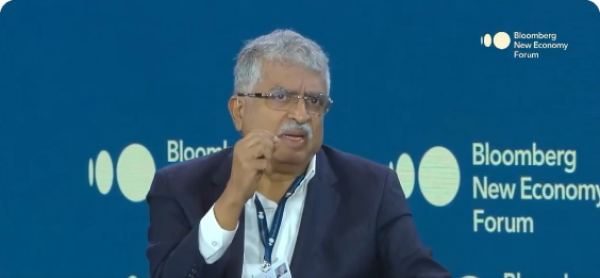
Nandan Nilekani Proposes Question Bank to Prevent NEET Paper Leaks
Infosys co-founder Nandan Nilekani has proposed creating a massive question bank and generating examination papers at the last minute to address concerns over paper leaks, including the NEET controversy. He also called for expanding computer-based testing infrastructure across India to strengthen the examination system.
 OCT 13, 2026
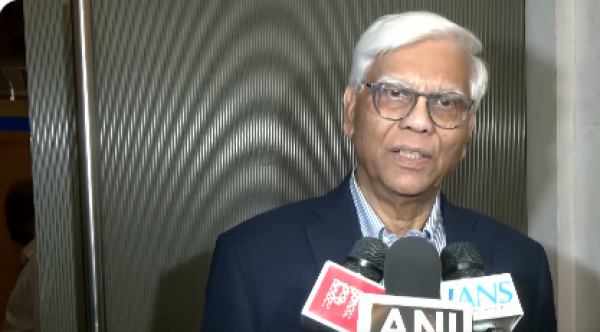
CII Global MSME Summit Highlights Opportunities and Challenges
New Delhi: Shreekant Somany, Chairman and Managing Director of Somany Ceramics Ltd., called for stronger collaboration between micro, small and medium enterprises (MSMEs), the government and industries to capitalise on opportunities emerging from global economic changes. Speaking at the 23rd CII Global MSME Business Summit in Delhi, he highlighted challenges related to tariffs, rising costs and access to finance.
 OCT 13, 2026
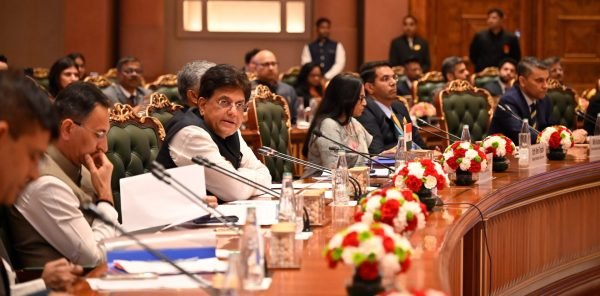
India-UK CETA Opens New Business and Investment Opportunities
The India-UK Comprehensive Economic and Trade Agreement (CETA) has been highlighted as a significant milestone in strengthening economic ties between India and the United Kingdom. Addressing the Joint Economic and Trade Committee (JETCO) Business Plenary alongside UK Business and Trade Secretary Jonathan Reynolds, the Indian representative emphasised opportunities for businesses in both countries to expand collaboration, deepen investments and build new partnerships.
 OCT 13, 2026
Kolkata Rally Celebrates Victories in Nandigram and Rejinagar
Kolkata: A large gathering of party workers and supporters took to the streets of Kolkata to celebrate the reported victories in Nandigram and Rejinagar. The victory rally was held at Murlidhar Sen Lane, with the event highlighting the party’s message of public trust and support for a “double-engine government”.