

Raipur Oncologist Explains Link Between Pesticides and Cancer, Shares Prevention Tips
Can Pesticides Cause Cancer? Raipur Oncologist Explains Risks and Prevention
Pesticides have often been linked to cancer, but the reality is more nuanced. According to Dr Jayesh Sharma, a Raipur-based oncologist with over 25 years of experience, the impact of pesticides depends largely on the level and type of exposure.
In a recent Instagram post on April 29, Dr Sharma explained that the issue can be understood in two distinct parts—those with high exposure and those exposed through food.
Do Pesticides Increase Cancer Risk?
Dr Sharma highlighted that pesticides affect different groups in different ways.
The first group includes farmers and agricultural workers who are directly exposed to pesticides while spraying crops. Long-term, high exposure in such cases has been clearly linked to cancers like leukaemia and lymphoma.
However, for the general population, exposure mainly comes through food—and the risks are less direct.
“There are two types of pesticides,” Dr Sharma explained. Older chemicals like DDT (organochlorine pesticides), which are now banned in many places, can persist in soil for decades. These substances can be absorbed by plants and enter fruits and vegetables, potentially disrupting hormones and increasing the risk of breast and reproductive cancers.
The reassuring part is that these older pesticides are now rarely used. Modern pesticides, on the other hand, break down much faster—typically within three to ten days.
Still, Dr Sharma cautioned that even low-level exposure over long periods may carry some risk, making it wise to minimize intake wherever possible.
How to Reduce Pesticide Exposure from Food
Dr Sharma suggests a practical, three-level approach to reducing pesticide exposure. Individuals can choose the level that best suits their lifestyle.
Level 1: Basic Steps
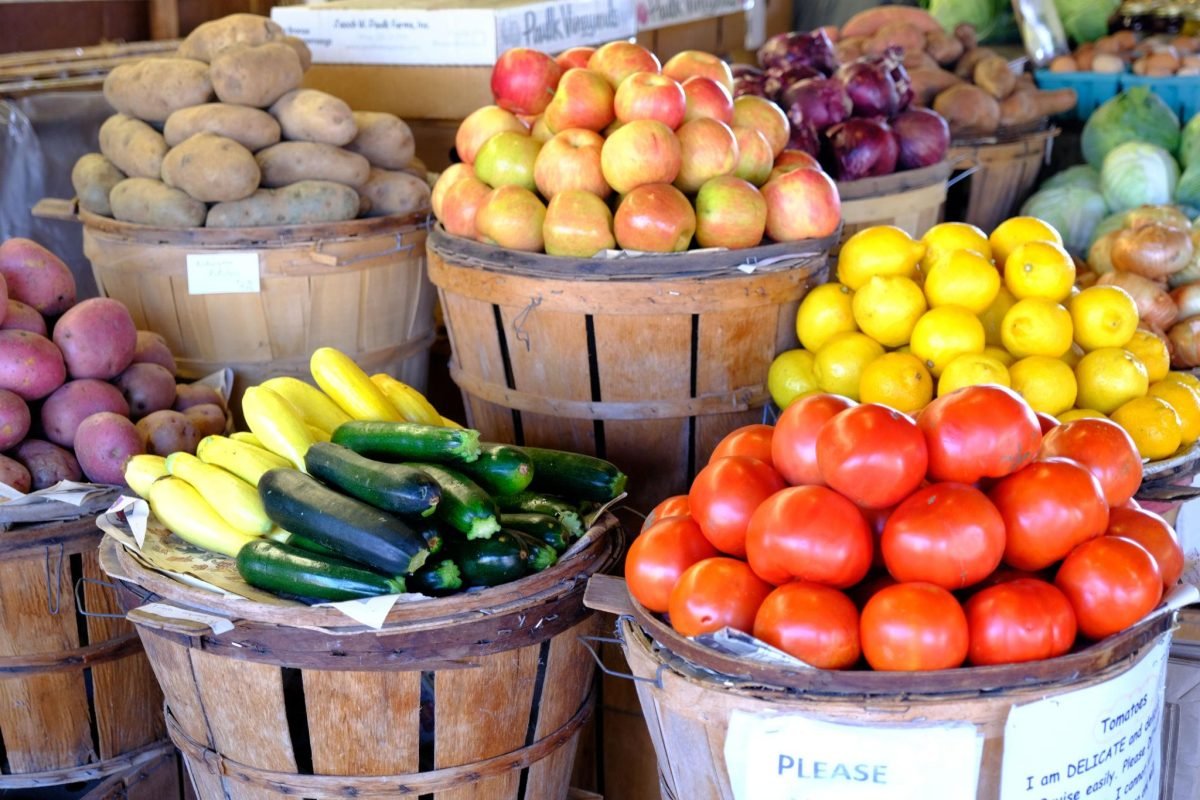
- Wash fruits and vegetables thoroughly under running water and scrub them by hand
- Remove outer leaves of vegetables like cabbage and wash leafy greens individually
- Cooking methods like boiling, pressure cooking, and tempering (tadka) help reduce pesticide residues
- Rotate fruits and vegetables regularly to avoid repeated exposure
Level 2: Smart Practices
- Soak produce in salt water (1 spoon salt in 500 ml water) for five minutes, then rinse
- Peel fruits and vegetables such as apples, cucumbers, and guavas
- Prefer seasonal produce, as off-season items often contain more pesticides
Level 3: Advanced Measures
- Soak produce in a baking soda solution for 10–15 minutes before washing
- Buy certified organic fruits and vegetables, especially frequently consumed items
- Grow simple herbs and vegetables like coriander, mint, and tomatoes at home
The Bottom Line
While modern pesticides are less persistent and no direct link to cancer has been firmly established for dietary exposure, reducing intake is still a smart precaution.
Related News
 OCT 12, 2026
FIFPRO Report Finds 49% of Women Footballers Consider Leaving Football Early
A new FIFPRO report highlights the challenges facing women's football, with 49% of surveyed players considering an early exit. Financial pressures, mental health concerns, limited employment contracts and unequal access to player protections remain major issues despite the sport's growing commercial success.
 OCT 12, 2026
How New Medical Technologies Are Transforming Heart Surgery and Improving Heart Health
Advances in cardiac imaging, minimally invasive procedures and multidisciplinary care are transforming heart treatment. Discover how modern heart surgery technology helps doctors diagnose valve disease, personalise treatment and monitor recovery.
 OCT 12, 2026
How Gummies, Wellness Shots and Oils Are Transforming India’s Wellness Habits
Gummies, wellness shots, oils and powders are reshaping India's wellness habits. As consumers seek convenient daily routines, transparency, product quality and informed choices are becoming increasingly important.
 OCT 10, 2026
Psychologists Explain Why “Stop Overthinking” Doesn’t Work and What You Should Do Instead
Being told to “stop overthinking” rarely helps when your mind keeps replaying conversations and imagining worst-case scenarios. Psychologists explain why repetitive thinking happens and share practical strategies to manage anxious thoughts, tolerate uncertainty, and regain control.