

Manohar Lal Reviews Power Sector Priorities With Group-IV States and UTs
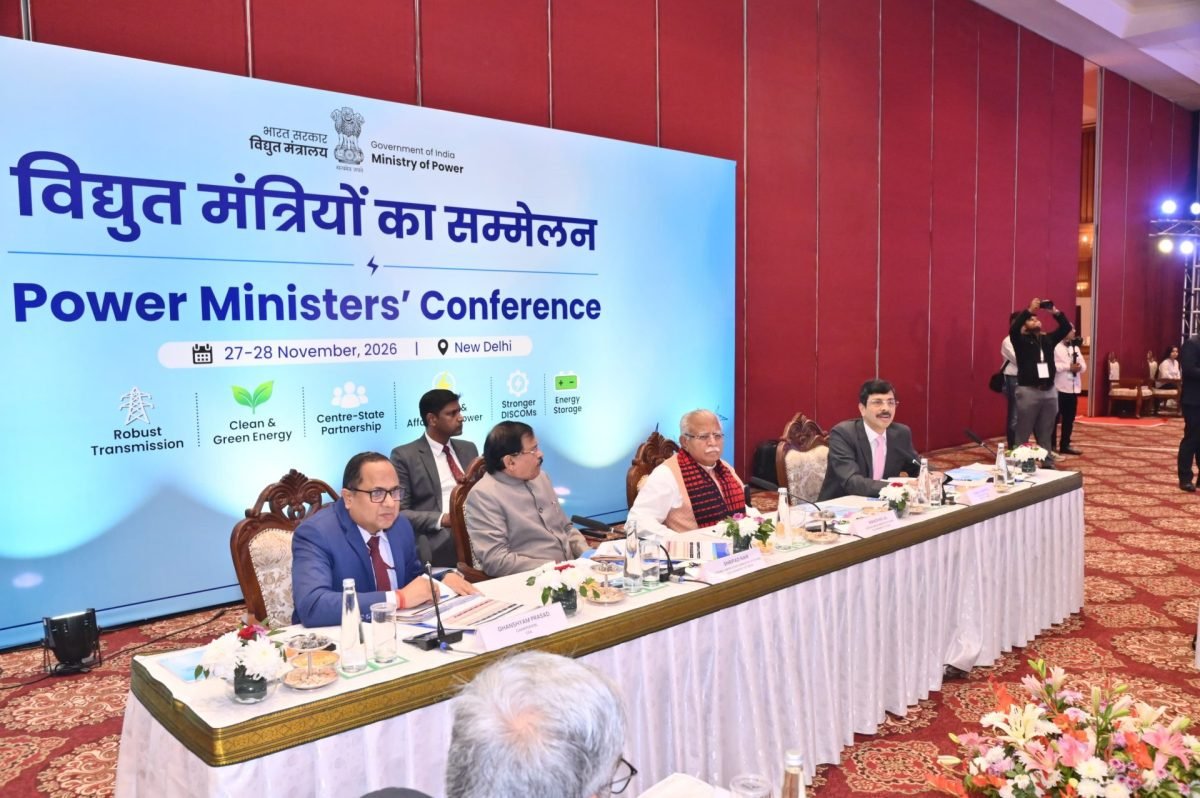
Union Minister for Power and Housing & Urban Affairs Manohar Lal on Saturday chaired the Power Ministers Conference Group IV review session in New Delhi, focusing on resource adequacy, energy storage, transmission infrastructure and the financial health of electricity distribution companies.
Minister of State for Power Shripad Yesso Naik and Power Secretary Pankaj Agarwal joined the meeting with representatives from Chhattisgarh, Gujarat, Madhya Pradesh, Maharashtra, Goa, Rajasthan, Bihar, Jharkhand and the Union Territory of Dadra and Nagar Haveli and Daman and Diu.
The two-day national conference, being held on November 27 and 28, brings together ministers, senior officials and regulators from 28 states and eight Union Territories.
Resource Adequacy Plans Reviewed
A key focus of the Group-IV discussion was the implementation of Resource Adequacy Plans.
Such plans are intended to ensure that states have adequate generation, storage and transmission capacity to meet future electricity demand reliably.
At the opening of the conference, Manohar Lal said power-sector planning increasingly needs an integrated approach in which generation, storage, transmission and distribution are treated as interconnected components of the same system.
Faster Energy Storage Deployment Discussed
The session also examined ways to accelerate the deployment of energy-storage systems.
Storage capacity has become increasingly important as India adds larger amounts of solar and wind generation, helping balance fluctuations in renewable-power availability and support grid stability.
The Centre recently approved a ₹14,500 crore viability-gap funding scheme for 92 GWh of grid-scale energy-storage systems, underlining the growing role of storage in India’s power strategy.
Transmission Issues Taken Up
Representatives discussed both inter-state and intra-state transmission constraints.
Strengthening transmission networks is considered essential for moving power efficiently between generation centres and consumption areas, particularly as renewable-energy projects and storage facilities expand.
The conference agenda specifically includes inter-state and intra-state transmission challenges among its major policy priorities.
DISCOM Financial Viability in Focus
The financial condition of electricity distribution companies was another major subject during the review.
Manohar Lal has said that the Centre and states need to work together to improve the financial position of DISCOMs through changes in policy, operations and regulation.
Distribution-sector finances remain critical because DISCOMs form the final link between power producers and consumers.
RDSS and Distribution Reforms Part of Wider Agenda
Although the Group-IV update primarily highlighted resource adequacy, storage, transmission and DISCOM finances, the wider conference is also reviewing implementation of the Revamped Distribution Sector Scheme (RDSS).
The national agenda includes smart metering, feeder separation and household electrification as important elements of distribution-sector reform.
Nine States and One Union Territory Participate
The Group-IV session included:
Chhattisgarh
Gujarat
Madhya Pradesh
Maharashtra
Goa
Rajasthan
Bihar
Jharkhand
Dadra and Nagar Haveli and Daman and Diu
These states and the Union Territory are among the 28 states and eight UTs participating in the two-day conference.
India’s Installed Power Capacity Reaches Around 563 GW
Power Secretary Pankaj Agarwal said at the conference that India’s installed electricity-generation capacity had reached around 563 GW, with more than 55% coming from non-fossil sources.
Around 60 GW of capacity was added over the previous 12 months, and about 87% of that addition came from non-fossil sources.
₹200 Lakh Crore Investment Opportunity Highlighted
Manohar Lal has estimated that India’s power sector could present an investment opportunity of around ₹200 lakh crore over the next two decades.
He said coordinated action among the Centre, states, regulators and industry would be necessary to realise that potential while strengthening energy security and moving towards energy independence.
Day 2 Includes Joint Session With Regulators
A major feature of the second day is a joint session involving the Forum of Regulators and State Electricity Regulatory Commissions.
State Power Ministers, SERC chairpersons, state energy secretaries and Ministry officials are participating in discussions aimed at addressing regulatory and implementation challenges across the electricity sector.
The Group-IV review forms part of the conference’s wider effort to convert national power-sector policy priorities into state-level implementation plans.
Related News
 NOV 28, 2026
Piyush Goyal Meets Danish Foreign Minister Lars Løkke Rasmussen, Discusses Trade and Investment
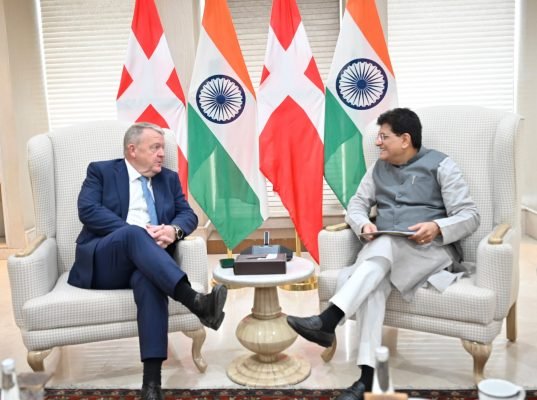
Commerce Minister Piyush Goyal met Danish Foreign Minister Lars Løkke Rasmussen in New Delhi to discuss deeper trade, investment and business cooperation.
 NOV 28, 2026
J&K Agencies Intensify Network-Centric Crackdown on Drug Trafficking at State-Level JCC Meeting
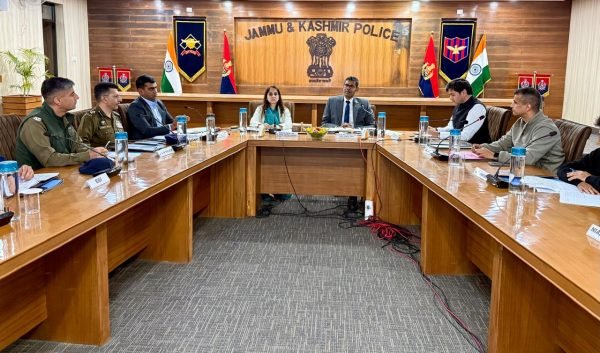
Jammu and Kashmir’s quarterly state-level JCC meeting brought together multiple security and enforcement agencies to strengthen coordination against drug trafficking networks.
 NOV 28, 2026
Samik Bhattacharya Says ‘Build in West Bengal, Build for World’ as State Pushes New Industrial Strategy
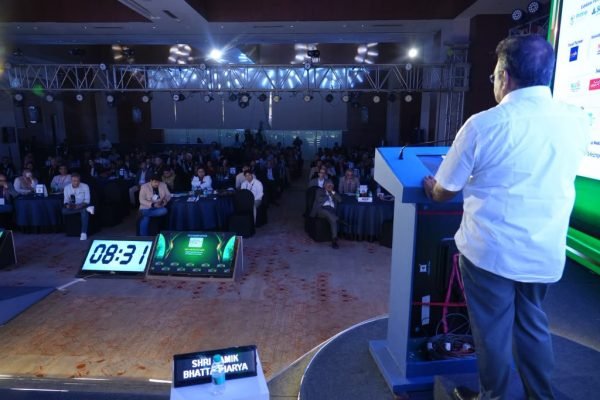
Samik Bhattacharya said West Bengal is seeking to attract investment, bring back skilled talent and build new capabilities in AI, GCCs, semiconductors and advanced manufacturing.
 NOV 28, 2026
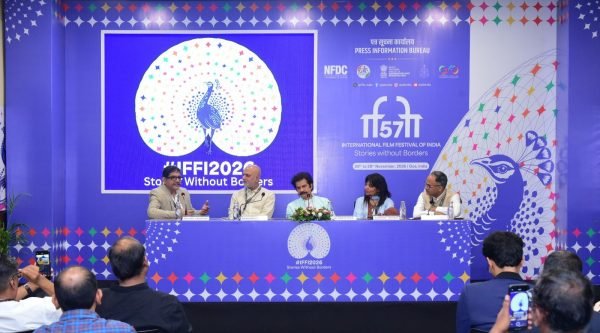
IFFI OTT Awards Jury Says Digital Platforms Are Breaking Language Barriers and Expanding Creative Opportunities
The IFFI OTT Awards Jury said streaming platforms are transforming storytelling by widening opportunities for creators and helping audiences discover content across languages.