

Trump Says Biden Should Have Asked Europe to Fund Ukraine Aid
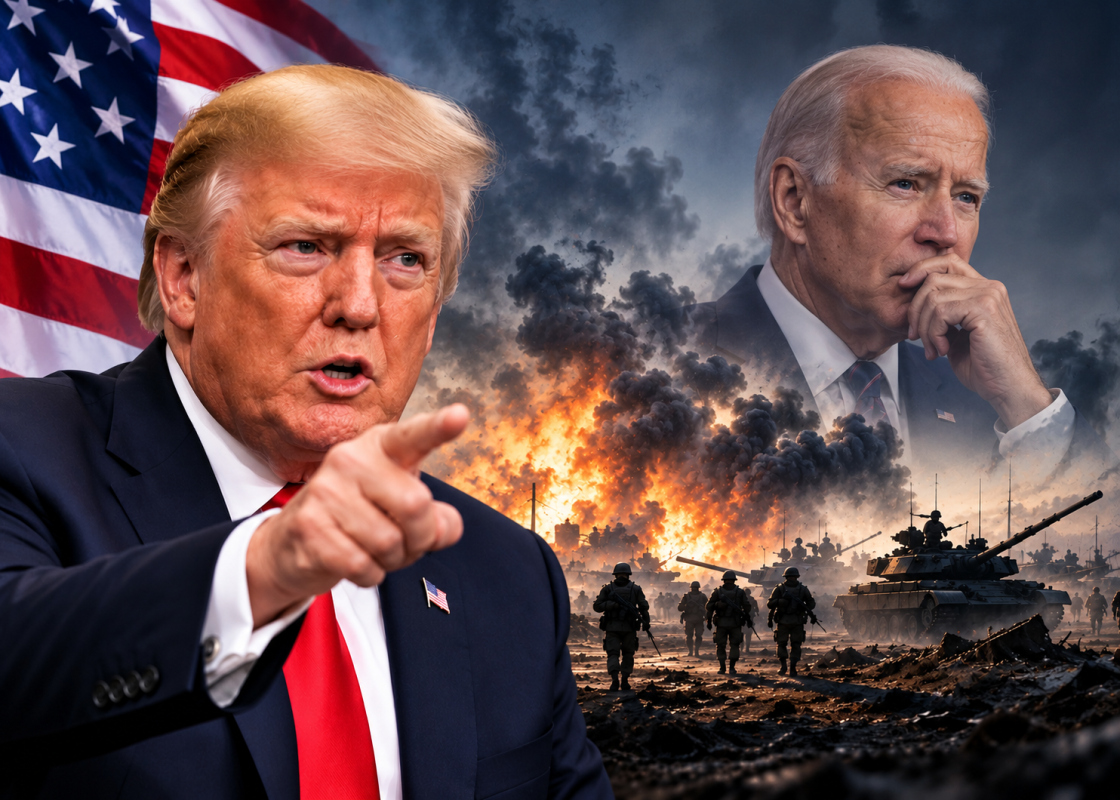
US President Donald Trump has questioned the scale of American assistance to Ukraine, arguing that European countries could have shared a greater portion of the financial burden during the war with Russia.
JUST NOW: President Trump says, "Biden gave them [Ukraine] $350 billion worth of equipment... Yeah, I feel foolish. Because all you had to do is ask them, and they [European Union] would have paid." 🇺🇦 🇺🇸 For more than three years, from the February 2022 invasion through the spring of 2026, United States carried the heaviest military burden of any single nation defending Ukraine, spending $119 billion in bilateral commitments while the entire European Union, a bloc of 27 countries with a combined GDP larger than America’s, took until April 2026 to pass a loan package big enough to finally match what one country had already provided. And even after that package, the United States still leads in the thing that actually stops Russian tanks and shoots down Russian missiles, military hardware. When Trump says “all you had to do is ask,” he is describing a failure of the Biden administration, not a failure of the alliance itself.
— Donald J Trump Posts TruthSocial (@TruthTrumpPost) October 24, 2026
Speaking about the support provided under former President Joe Biden, Trump said Ukraine had received $350 billion worth of equipment and remarked that the United States should have asked European allies to pay for more of the assistance.
Trump’s comments have renewed debate over burden-sharing within the transatlantic alliance and the division of responsibilities between Washington and European capitals in supporting Kyiv following Russia’s full-scale invasion in February 2022.
The United States has played a central role in providing military assistance to Ukraine, including weapons, ammunition and other defence equipment. European countries and EU institutions have also contributed substantial financial, humanitarian and military support, while debates over the scale, timing and structure of that assistance have continued.
The argument centres on whether the Biden administration could have secured greater European contributions earlier and whether Washington should have placed more emphasis on burden-sharing among its allies. Trump’s remarks reflect his broader position that European nations should assume a larger share of the cost of supporting Ukraine.
However, comparisons between US and European assistance depend on the period covered and whether the figures measure military equipment delivered, aid commitments, actual disbursements, loans or broader financial support. These categories should be distinguished when assessing the relative contributions of the United States and Europe.
The debate over Ukraine aid remains a significant issue in transatlantic relations, with implications for NATO cooperation, European defence spending and the future of Western support for Kyiv.
Related News
 OCT 24, 2026
Piyush Goyal Envisions India-Germany R&D and Manufacturing Push
Piyush Goyal has invited German businesses to deepen R&D and manufacturing cooperation with India, combining German precision engineering with Indian talent and cost-effective production to serve global markets.
 OCT 24, 2026
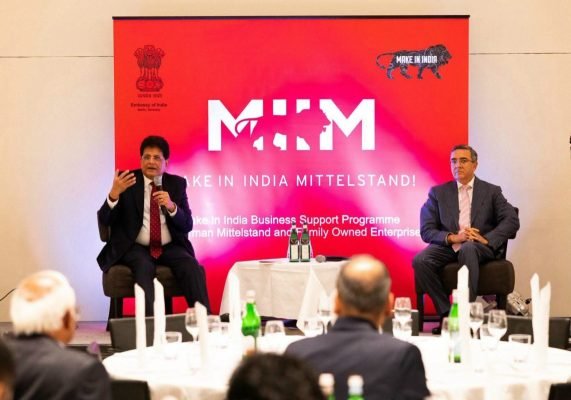
Piyush Goyal Urges Indian Industries to Leverage India-EU Free Trade Agreement
Union Minister Piyush Goyal urged Indian MSMEs to seize opportunities under the India-EU FTA, expand market access and build lasting partnerships with German businesses across key industries.
 OCT 24, 2026
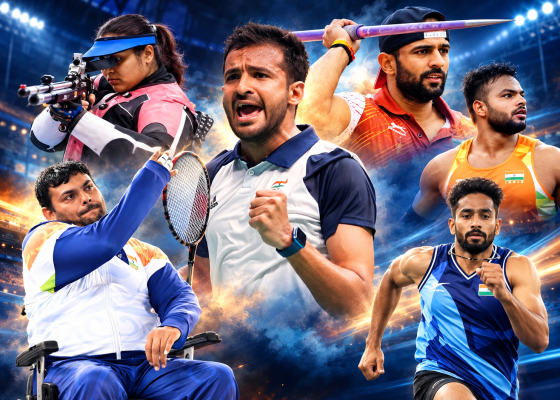
“History Created at Aichi-Nagoya 2026”: Mansukh Mandaviya Celebrates India’s 114 Medals
India achieves its highest-ever Asian Para Games medal tally with 114 medals at Aichi-Nagoya 2026. Sports Minister Mansukh Mandaviya credits Khelo India and TOPS for empowering para-athletes.
 OCT 24, 2026
Asian Para Games 2026: India Wraps Up Historic Campaign with Record 114 Medals
India concluded its Asian Para Games 2026 campaign with a record 114 medals, including 30 gold, 35 silver and 49 bronze. Day 5 featured a world-record sprint by Sandeep Kumar, Sumit Antil's javelin gold, para-badminton triumphs and para-archery success, marking India's best-ever performance at the competition.