

US Says Strait of Hormuz Remains Open for Shipping
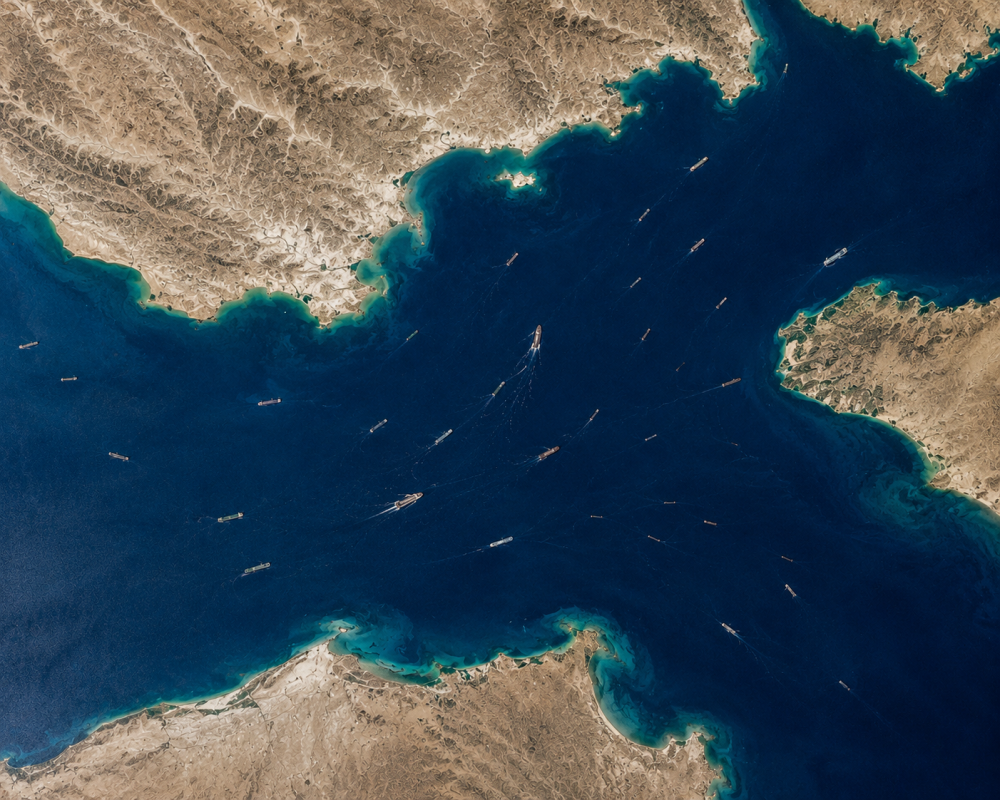
The U.S. Central Command (CENTCOM) has stated that the Strait of Hormuz remains open to all vessels seeking lawful transit, emphasizing that commercial shipping continues to flow through the strategic international waterway despite heightened regional tensions.
🚫 CLAIM: The Iranian commander for the Islamic Revolutionary Guard Corps-Navy recently said on state-owned media that no foreign vessels may pass through the Strait of Hormuz without being identified, tracked, and monitored by Iranian forces.
— U.S. Central Command (@CENTCOM) July 12, 2026
✅ FACT: Iran does not control the… pic.twitter.com/8lRDNiOpXQ
In a post shared on social media, CENTCOM said U.S. forces are positioned and prepared to ensure freedom of navigation remains available despite what it described as "unwarranted Iranian aggression, harassment, threats, and arbitrary declarations."
The Strait of Hormuz is open to all vessels seeking to lawfully transit the international waterway. U.S. forces are positioned and prepared to ensure that freedom of navigation remains available despite unwarranted Iranian aggression, harassment, threats, and arbitrary… pic.twitter.com/FS3TUBOZEj
— U.S. Central Command (@CENTCOM) July 12, 2026
The command also asserted that Iran does not control the Strait of Hormuz, a vital maritime route used by commercial vessels transporting goods and energy supplies around the world.
According to CENTCOM, U.S. forces have facilitated the safe transit of more than 800 ships carrying over 400 million barrels of crude oil during the past two months.
The command further noted that more than 140 ships have successfully transited the Strait of Hormuz over the last seven days, underscoring that maritime traffic continues uninterrupted.
The Strait of Hormuz is one of the world's most strategically important shipping lanes, linking the Persian Gulf to the Gulf of Oman and the Arabian Sea. A substantial share of global crude oil and liquefied natural gas exports passes through the narrow waterway, making its security critical to international trade and global energy markets.
The statements were made by U.S. Central Command on its official social media channels and reflect the U.S. military's assessment of the current situation in the Strait of Hormuz.
Related News
 OCT 21, 2026
Piyush Goyal Meets Former Chile President Eduardo Frei
Union Minister Piyush Goyal met former Chilean President Eduardo Frei and CAF delegates to explore new opportunities for India-Chile trade, investment and business collaboration.
 OCT 21, 2026
Marco Rubio Visits Reliance’s Jamnagar Facilities
US Secretary of State Marco Rubio visited Reliance Industries' Jamnagar facilities as US Ambassador Sergio Gor highlighted India's rising LPG imports from the United States and Reliance's planned investment in a new American oil refinery.
 OCT 21, 2026
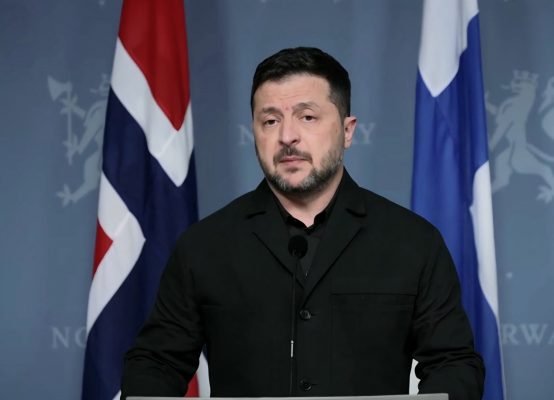
Zelenskyy Calls for Urgent End to War, Highlights Suffering of Ukrainian Children
Ukrainian President Volodymyr Zelenskyy has called for a swift end to the war with Russia, warning that Russian attacks are costing lives and depriving children of a normal childhood. He has urged continued US and European support while praising the resilience of Ukrainian soldiers.
 OCT 21, 2026
“Too Many Cockroaches… Insecticide Will Be Sprayed”: Suvendu Adhikari
West Bengal Chief Minister Suvendu Adhikari has emphasised that political change must come through elections, making a strong statement on democracy and India’s political system.