

Dehydration Headache vs Migraine: Physician Explains Key Differences
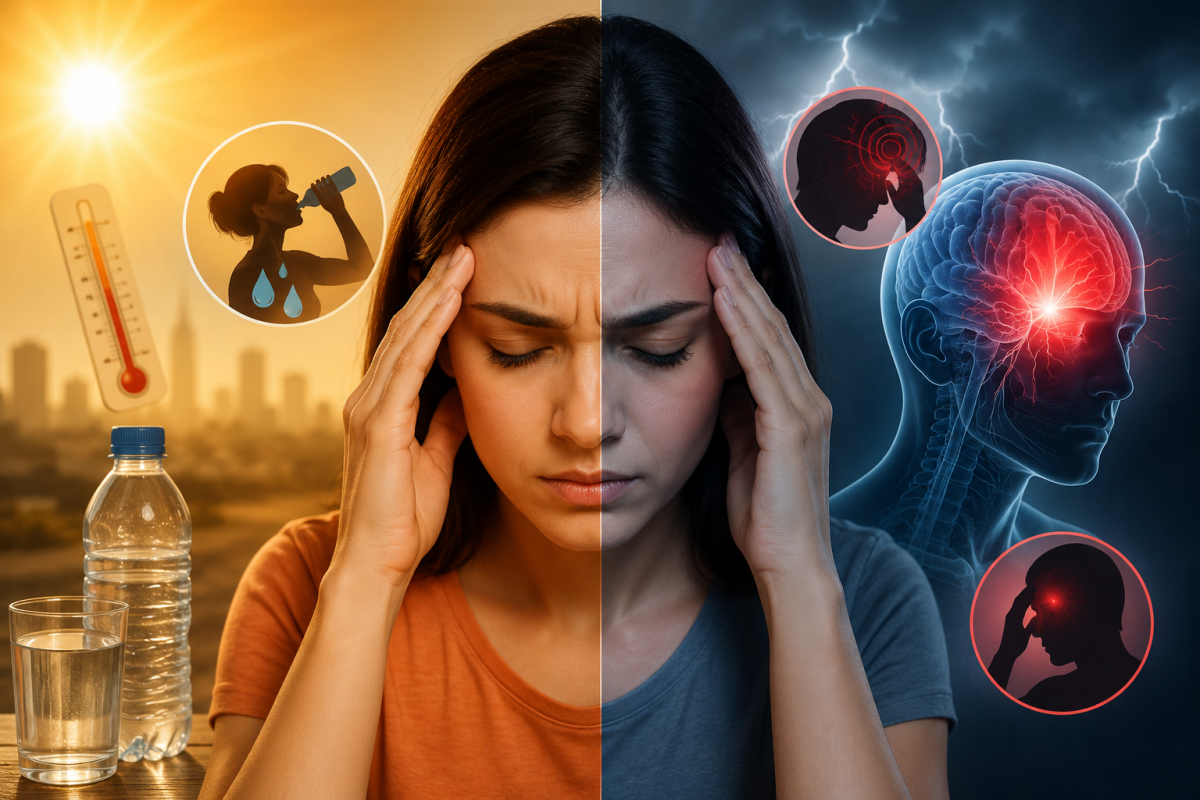
Frequent Summer Headaches? Dehydration Could Be the Hidden Cause
If you find yourself dealing with frequent headaches during the summer months, stress, lack of sleep, or excessive screen time may not be the only culprits. According to health experts, dehydration is one of the most common yet overlooked triggers of headaches in hot weather.
Many people confuse dehydration headaches with migraines, especially since both tend to become more common during the summer. Understanding the difference can help you manage symptoms more effectively and prevent recurring discomfort.
Why Dehydration Causes Headaches
Dr. Manas Chatterjee, Senior Consultant Physician at Kailash Hospital, Noida, explains that rising temperatures increase fluid loss from the body much faster than most people realise.
“By the time a headache begins, the body may already be dehydrated,” he said.
While many people rely on cold drinks, sodas, or sugary beverages to beat the heat, these drinks may not hydrate the body as efficiently as plain water.
What Happens Inside the Body During Dehydration?
Dehydration is more than just feeling thirsty. When the body loses fluids through excessive sweating and does not replace them in time, several important functions are affected.
According to Dr. Chatterjee, dehydration can:
- Reduce blood circulation
- Disrupt electrolyte balance
- Affect temperature regulation
- Increase physical fatigue
- Trigger headaches and migraines
For individuals who already suffer from migraines, dehydration can act as a powerful trigger and may increase the frequency of migraine attacks during summer.
Common Situations That Can Lead to Dehydration
Many people assume dehydration only occurs after prolonged exposure to the sun. However, it can happen in several everyday situations, including:
- Travelling in hot weather
- Intense workouts or exercise sessions
- Spending long hours in air-conditioned environments
- Not drinking enough plain water
- Consuming excessive sugary or carbonated drinks
Dehydration Headache vs Migraine: How to Tell the Difference
One of the biggest challenges is identifying whether a headache is caused by dehydration or is actually a migraine.
Signs of a Dehydration Headache
A dehydration headache typically starts as:
- A dull ache around the forehead
- Pressure on both sides of the head
- A feeling of heaviness or tightness
- Gradual worsening throughout the day
Signs of a Migraine
Migraines are usually more severe and may include:
- Throbbing or pulsating pain
- Nausea or vomiting
- Dizziness
- Blurred vision
- Sensitivity to light
- Sensitivity to sound
If these symptoms accompany your headache, it is more likely to be a migraine rather than simple dehydration.
Warning Signs Your Body Needs More Fluids
Thirst is not always the first sign of dehydration. Watch out for these common symptoms:
- Dry mouth
- Fatigue or weakness
- Dark-coloured urine
- Muscle cramps
- Lightheadedness
- Difficulty concentrating
- Increased irritability
Best Ways to Stay Hydrated This Summer
While plain water remains the best source of hydration, Dr. Chatterjee recommends adding water-rich foods and natural drinks to your daily routine.
Healthy hydration options include:
- Watermelon
- Coconut water
- Homemade nimbu pani
- Cucumber-infused water
- Fresh seasonal fruits
At the same time, limit caffeine, alcohol, and sugary beverages, as they may contribute to further fluid loss and worsen dehydration.
The Bottom Line
As temperatures rise, staying hydrated becomes essential for preventing headaches and maintaining overall health. Recognising the difference between a dehydration headache and a migraine can help you take the right steps early and avoid unnecessary discomfort during the summer months.
Related News
 OCT 12, 2026
FIFPRO Report Finds 49% of Women Footballers Consider Leaving Football Early
A new FIFPRO report highlights the challenges facing women's football, with 49% of surveyed players considering an early exit. Financial pressures, mental health concerns, limited employment contracts and unequal access to player protections remain major issues despite the sport's growing commercial success.
 OCT 12, 2026
How New Medical Technologies Are Transforming Heart Surgery and Improving Heart Health
Advances in cardiac imaging, minimally invasive procedures and multidisciplinary care are transforming heart treatment. Discover how modern heart surgery technology helps doctors diagnose valve disease, personalise treatment and monitor recovery.
 OCT 12, 2026
How Gummies, Wellness Shots and Oils Are Transforming India’s Wellness Habits
Gummies, wellness shots, oils and powders are reshaping India's wellness habits. As consumers seek convenient daily routines, transparency, product quality and informed choices are becoming increasingly important.
 OCT 10, 2026
Psychologists Explain Why “Stop Overthinking” Doesn’t Work and What You Should Do Instead
Being told to “stop overthinking” rarely helps when your mind keeps replaying conversations and imagining worst-case scenarios. Psychologists explain why repetitive thinking happens and share practical strategies to manage anxious thoughts, tolerate uncertainty, and regain control.