

Israel Calls on UNICEF to Condemn Alleged Iranian Missile Attacks on Civilians
The Israeli Foreign Ministry claimed that these attacks have caused indiscriminate harm, with children among the most affected. “Israel calls on UNICEF to speak out and unequivocally condemn the Iranian regime’s deliberate missile attacks on civilians, including children,” the ministry stated. Reported Child Casualties The ministry further alleged that at least 18 children and infants have been injured in the missile strikes. Among them: A 5-year-old girl is reportedly in critical condition Children aged 10 and 12 have sustained severe injuries Three siblings, aged 13, 15, and 16, were killed Growing Diplomatic Pressure The call to UNICEF reflects increasing diplomatic pressure on international organizations to take clear positions amid the escalating conflict. While UNICEF has consistently advocated for the protection of children in conflict zones, it has not yet issued a specific response to the latest allegations. The situation underscores broader concerns about civilian safety and the humanitarian impact of continued hostilities in the region. A Worsening Humanitarian Concern The use of weapons with wide-area effects, particularly in populated regions, has drawn scrutiny under international humanitarian law. The latest allegations are likely to intensify global debate over accountability, proportionality, and the protection of non-combatants—especially children—in conflict zones.Israel calls on UNICEF to speak out and unequivocally condemn the Iranian regime’s deliberate missile attacks on civilians, including children.
— Israel Foreign Ministry (@IsraelMFA) March 24, 2026
Iran is launching ballistic missiles armed with illegal cluster munitions, spreading indiscriminate harm - and children are among the… pic.twitter.com/O7O9ExiLst
Related News
 OCT 12, 2026
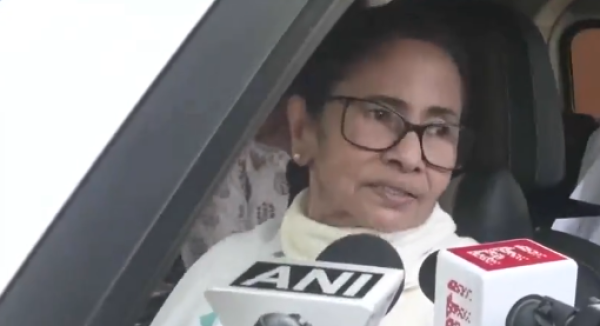
Mamata Banerjee Says INDIA Bloc Protest March Is ‘For Justice’
Mamata Banerjee said the INDIA bloc’s Delhi protest march was aimed at seeking justice for people, as Opposition parties intensified their campaign over electoral issues.
 OCT 12, 2026
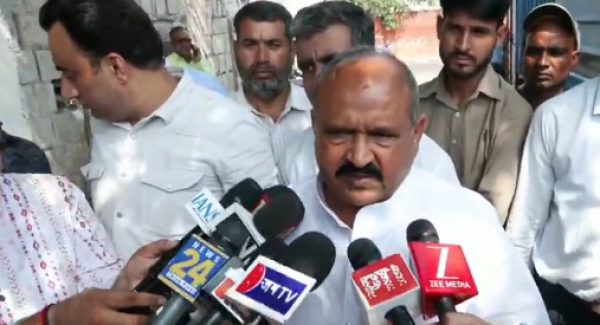
Prahlad Gunjal Demands Tough Action After Atar Singh Bhadana’s Death
Former MLA Prahlad Gunjal demanded the strictest action after Atar Singh Bhadana’s death, warning that failure to punish those responsible could embolden criminals.
 OCT 12, 2026
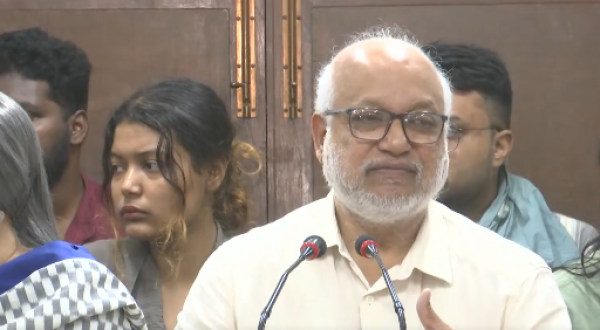
MA Baby Backs Supreme Court Intervention Over Delhi Protest Curbs
CPI(M) General Secretary MA Baby praised the Supreme Court’s intervention over Delhi protest restrictions and said the party would continue both public mobilisation and legal action.
 OCT 12, 2026
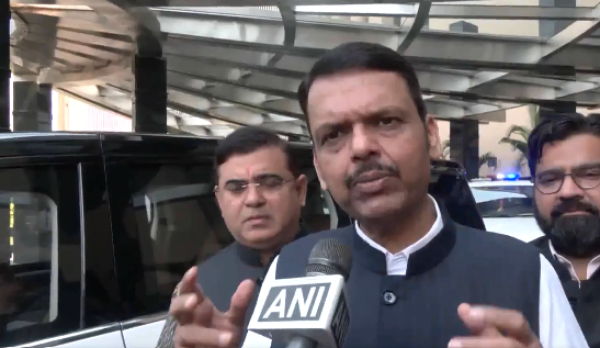
Devendra Fadnavis Backs CJI Over INDIA Bloc Meeting Rejection
Maharashtra CM Devendra Fadnavis backed CJI Surya Kant’s decision to decline an INDIA bloc meeting request, saying grievances should be pursued through the courts.
Comments (0)