

Jaishankar Calls for UN Security Council Reforms, Demands Fair Representation for Africa and India
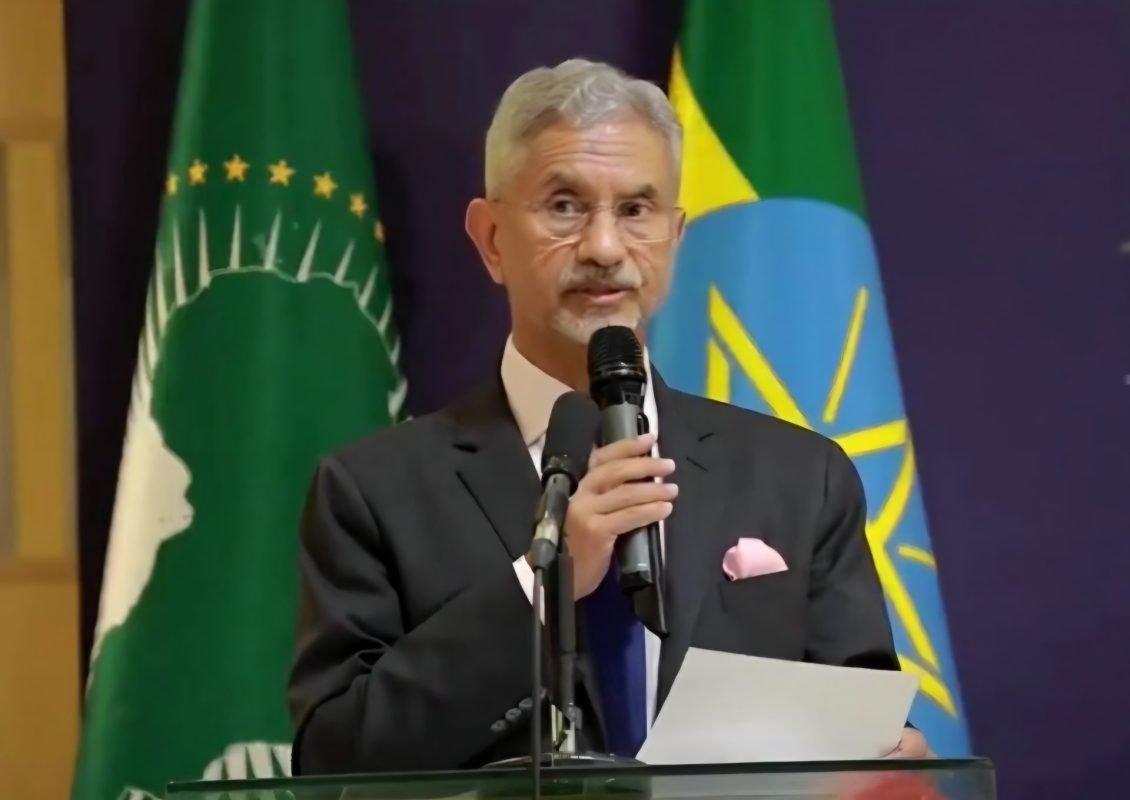
External Affairs Minister Dr. S. Jaishankar has called for urgent reforms of the United Nations Security Council (UNSC), arguing that the existing global governance system fails to adequately represent the interests of India and Africa.
Speaking at the historic Adwa Memorial Museum in Ethiopia, Jaishankar criticised what he described as an outdated international order that continues to marginalise emerging economies and developing regions in global decision-making.
The External Affairs Minister emphasised that meaningful reforms are essential to making international institutions more democratic, effective, representative and credible.
Global Order Disregards India and Africa's Interests
In his address, Jaishankar expressed concern over the resistance to reforming international institutions, suggesting that deliberate efforts are being made to preserve existing power structures.
"Even as our relationship deepens, we are confronted with an anachronistic global order that disregards the interests of both Africa and India," he stated.
"Even as our relationship deepens, we are confronted with an anachronistic global order that disregards the interests of both Africa and India," he stated.
He further argued that the delay in institutional reforms was not accidental but reflected conscious attempts to resist changes in global power dynamics.
According to Jaishankar, India and Africa cannot continue to remain unrepresented or underrepresented in institutions responsible for shaping international policies and addressing global challenges.
India's G20 Presidency Set an Important Precedent
Highlighting India's commitment to strengthening Africa's role in international governance, Jaishankar recalled the landmark achievement of India's G20 presidency in 2023.
During the New Delhi G20 Summit, India successfully championed the African Union's inclusion as a permanent member of the grouping.
The decision was widely regarded as an important step towards strengthening the voice of the Global South in international economic governance.
Jaishankar emphasised that the same principle of equitable representation must now guide reforms of the United Nations Security Council.
UN Security Council Neither Effective Nor Representative
Delivering a strong assessment of the existing international security architecture, Jaishankar questioned both the effectiveness and legitimacy of the current Security Council.
"The current Council neither delivers effectively nor represents fairly. The two shortcomings are clearly interconnected," he said.
He warned that the United Nations has steadily lost relevance in addressing major international challenges, raising concerns about the organisation's ability to respond effectively to contemporary geopolitical crises.
The External Affairs Minister argued that the absence of fair representation weakens both the credibility and operational effectiveness of international institutions.
Africa Deserves Fair Representation in Both UNSC Categories
A central element of Jaishankar's address was his support for Africa's longstanding demand for equitable representation in the Security Council.
He reaffirmed India's support for the principles outlined in the Ezulwini Consensus and the Sirte Declaration, which articulate Africa's common position on United Nations reform.
These frameworks advocate stronger African representation in both permanent and non-permanent categories of Security Council membership.
Africa currently has no permanent seat on the Security Council despite its substantial population, growing economic importance and significant contribution to international peacekeeping efforts.
Jaishankar stressed that addressing this imbalance is essential to establishing a more inclusive and legitimate international system.
Reform Must Go Beyond Expanding Membership
,The External Affairs Minister made it clear that reforming global governance should involve more than simply increasing the number of countries represented in international institutions.
"Our objective is not merely to add more seats around an old table," Jaishankar declared.
He explained that the broader objective must be to transform global governance into a system that responds more effectively to the aspirations and concerns of the international community.
Such reforms, he argued, would strengthen the United Nations by making it more capable of addressing emerging security challenges, geopolitical tensions and the evolving priorities of developing nations.
India–Africa Partnership and the Global South
Jaishankar's remarks also highlighted the growing strategic importance of India–Africa cooperation in shaping a more balanced international order.
India has consistently advocated reforms of multilateral institutions, particularly the Security Council, to reflect contemporary geopolitical realities rather than the international power structure established after the Second World War.
India's own longstanding aspiration for permanent Security Council membership aligns with its broader demand for greater representation of developing countries.
By supporting Africa's position, New Delhi continues to reinforce its diplomatic engagement with the Global South and its commitment to inclusive multilateralism.
A Call for a More Democratic International Order
The address at the Adwa Memorial Museum carried historical significance, given Adwa's association with Ethiopia's resistance to colonial domination and its enduring symbolism of African sovereignty.
Against this backdrop, Jaishankar's appeal connected the historical struggle for political independence with the contemporary demand for equality in international decision-making.
His message underscored a central diplomatic argument: international institutions cannot remain effective or credible if major regions and emerging powers are excluded from meaningful participation.
As discussions over United Nations reform continue, India's position reinforces the demand for a global governance architecture that reflects present-day realities and gives Africa and the wider developing world a stronger voice.
Related News
 OCT 9, 2026
New Zealand Defence Adviser Praises IAF’s Tarang Shakti Exercise
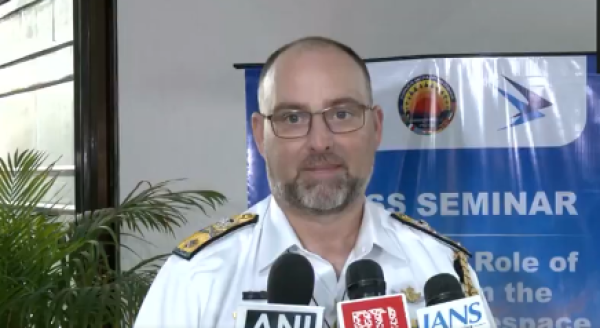
Delhi: Commodore Andrew Dowling, Defence Adviser of New Zealand, praised the Indian Air Force (IAF) and the Indian military for organising Tarang Shakti, highlighting the complexity of conducting a large-scale multinational air exercise.
 OCT 9, 2026
ICGS Ajit Commissioned by Indian Coast Guard in Goa
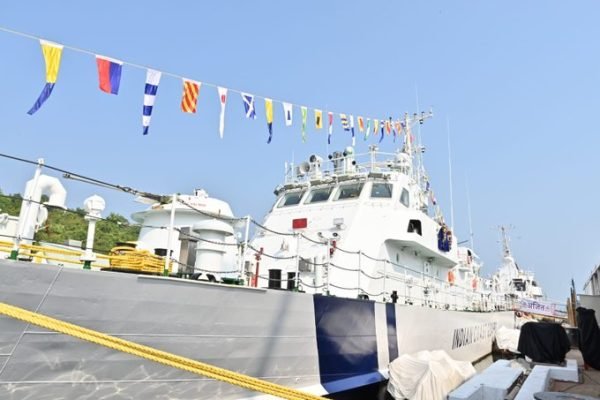
The Indian Coast Guard commissioned ICGS Ajit, an indigenous Fast Patrol Vessel, at Goa Shipyard Limited on October 9, 2026. The commissioning marks another step in strengthening India's maritime security and highlighting the country's domestic defence shipbuilding capabilities.
 OCT 9, 2026
Prashant Kishor Alleges BJP-JDU Power Struggle in Bihar
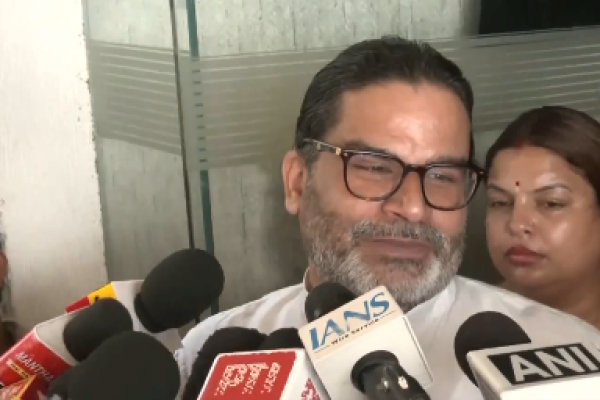
Patna, Bihar: Jan Suraaj founder Prashant Kishor alleged a power struggle between the BJP and the Janata Dal (United), or JDU, in Bihar, claiming that disagreements over key administrative appointments and the functioning of the Chief Minister’s Office could intensify.
 OCT 9, 2026
Exercise Tarang Shakti Highlights IAF’s 94-Year Journey
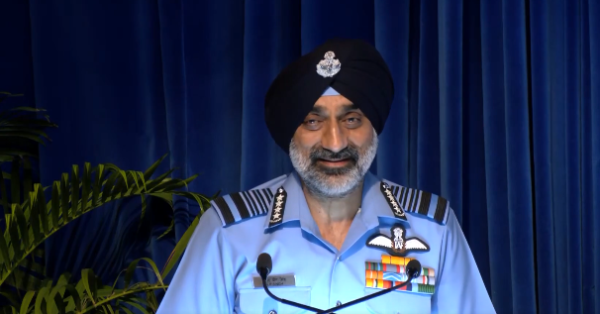
Exercise Tarang Shakti took centre stage at a CAPSS seminar in Delhi as Air Chief Marshal AP Singh reflected on the Indian Air Force’s 94 years of evolution.