

Jaishankar on Emerging Powers and a Changing World Order
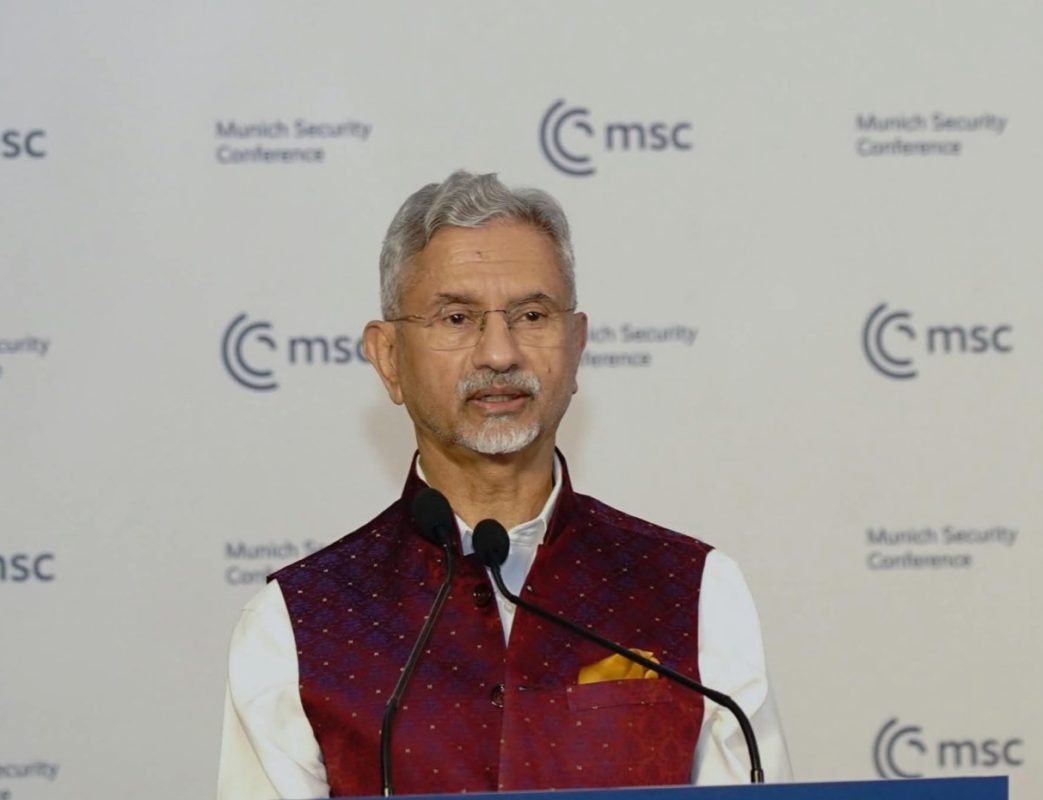
External Affairs Minister Dr. S. Jaishankar has called for a flexible and expansive understanding of the term “middle power”, arguing that a country's global relevance cannot always be measured by the size of its economy or overall geopolitical weight.
Addressing the opening session of Munich Leaders Meeting 2026, in New Delhi. @MunSecConf #MLMNewDelhi https://t.co/I5M2893oG1
— Dr. S. Jaishankar (@DrSJaishankar) October 4, 2026
Speaking at the 62nd Munich Security Conference, Jaishankar said it may be easier to identify what does not constitute a middle power than to establish a rigid definition of what does.
He suggested that the G20 framework could provide a useful broad reference point, while stressing that countries outside the grouping can also exercise considerable influence in specific areas.
Jaishankar cited the Netherlands' role in semiconductors as one example of a country whose importance in a particular strategic domain extends beyond conventional measures of national power.
He also pointed to the United Arab Emirates (UAE) as a country that “punches above its weight,” highlighting how smaller or mid-sized nations can exert disproportionate influence internationally.
The External Affairs Minister said the same flexible approach should be applied to both emerging powers and middle powers, taking into account their relevance across different sectors and areas of global affairs.
His remarks come amid an evolving international order in which countries are increasingly seeking influence through technology, trade, diplomacy, strategic partnerships and specialised capabilities rather than relying solely on economic or military size.
Related News
 OCT 25, 2026
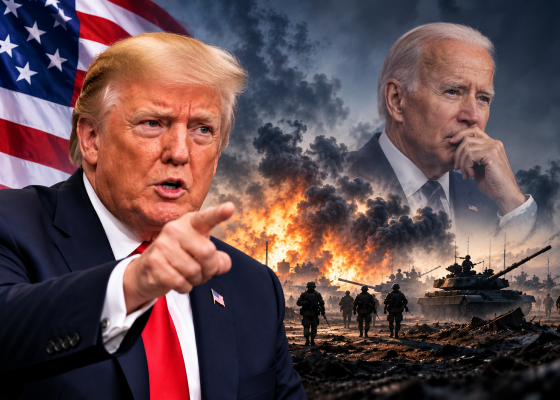
Trump Says Biden Should Have Asked Europe to Fund Ukraine Aid
US President Donald Trump has criticised the distribution of Ukraine aid under Joe Biden, arguing that European allies could have paid a greater share of the cost. His remarks have reignited debate over military assistance, transatlantic cooperation and burden-sharing in the war against Russia.
 OCT 24, 2026
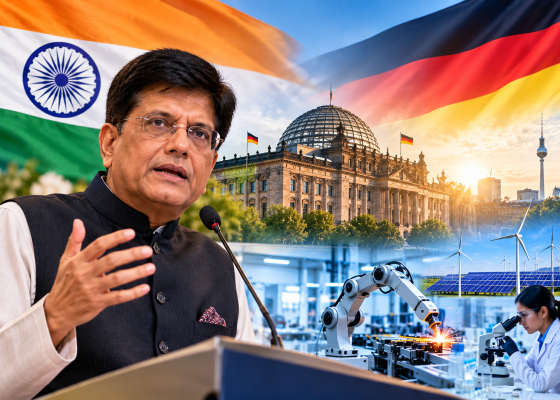
Piyush Goyal Envisions India-Germany R&D and Manufacturing Push
Piyush Goyal has invited German businesses to deepen R&D and manufacturing cooperation with India, combining German precision engineering with Indian talent and cost-effective production to serve global markets.
 OCT 24, 2026
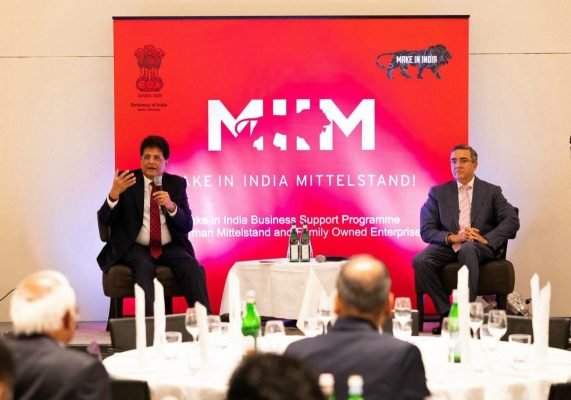
Piyush Goyal Urges Indian Industries to Leverage India-EU Free Trade Agreement
Union Minister Piyush Goyal urged Indian MSMEs to seize opportunities under the India-EU FTA, expand market access and build lasting partnerships with German businesses across key industries.
 OCT 24, 2026
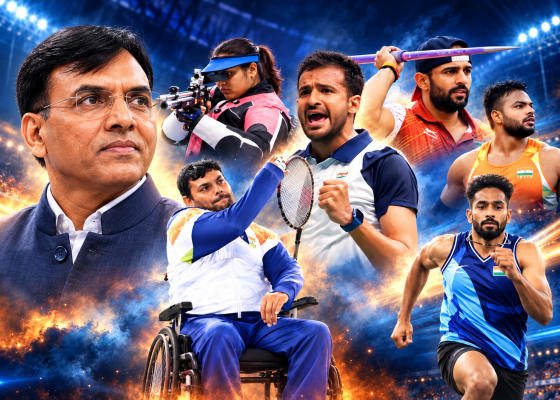
“History Created at Aichi-Nagoya 2026”: Mansukh Mandaviya Celebrates India’s 114 Medals
India achieves its highest-ever Asian Para Games medal tally with 114 medals at Aichi-Nagoya 2026. Sports Minister Mansukh Mandaviya credits Khelo India and TOPS for empowering para-athletes.