

Kiren Rijiju Akhilesh Yadav Paper Leak Bill: Heated Lok Sabha Debate Over Student Protests and Exam Reforms
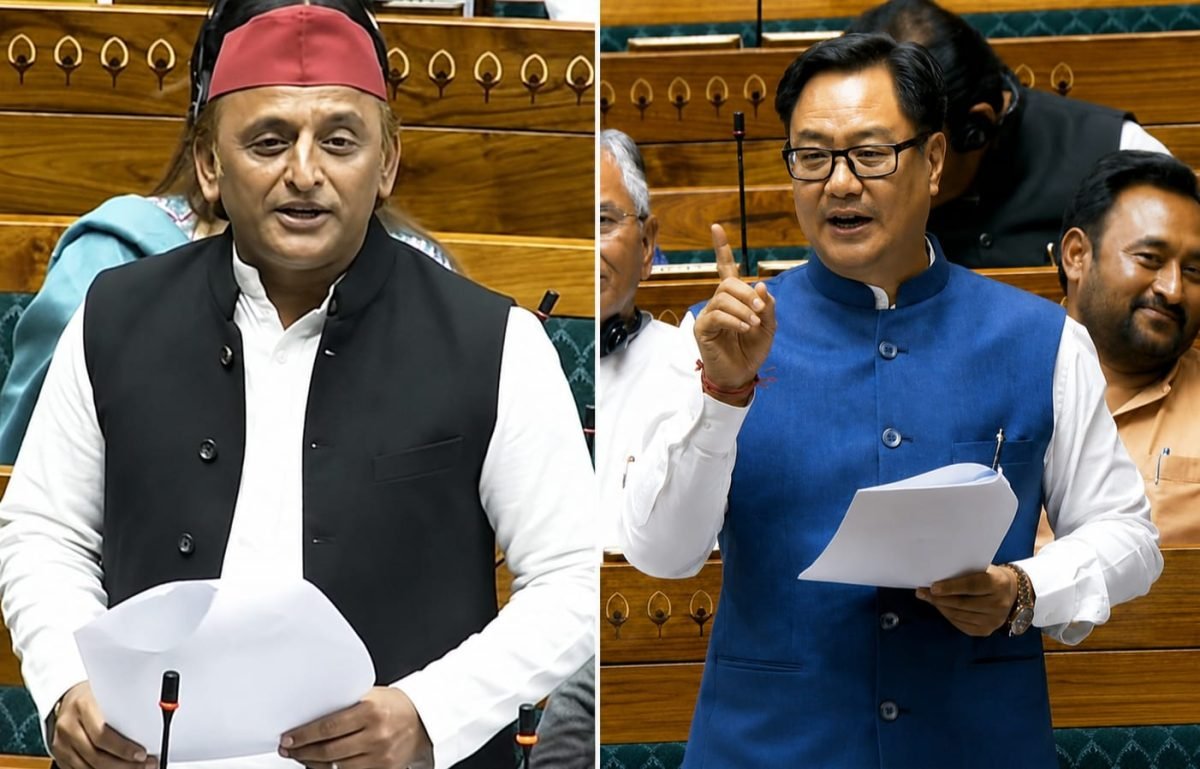
Kiren Rijiju Akhilesh Yadav Paper Leak Bill dominated proceedings in the Lok Sabha as Union Parliamentary Affairs Minister Kiren Rijiju and Samajwadi Party MP Akhilesh Yadav engaged in a sharp exchange during the debate on the Public Examinations (Prevention of Unfair Means) Amendment Bill, 2026. The discussion centred on the government's response to student protests, examination reforms, and allegations surrounding the NEET paper leak controversy.
The debate highlighted the contrasting positions of the ruling National Democratic Alliance (NDA) and the Opposition on how the government has handled the issue of examination integrity and student concerns.
Kiren Rijiju Defends Government's Response
Speaking during the Lok Sabha debate, Union Minister Kiren Rijiju defended the Centre's approach to student protests and the proposed anti-paper leak legislation.
He argued that the government had responded to public concerns by introducing a new Bill in Parliament instead of suppressing dissent.
Drawing a comparison with the Emergency period, Rijiju asked whether it was preferable for a government to listen to protesting students and introduce corrective legislation or impose extraordinary measures to silence public protests.
According to the minister, the government's decision to bring the Public Examinations (Prevention of Unfair Means) Amendment Bill demonstrates its commitment to protecting students and strengthening the examination system.
Government Highlights Commitment to Exam Reforms
The Union government has maintained that the proposed legislation introduces stronger legal safeguards against organised examination fraud.
The Bill seeks to enhance penalties for those involved in paper leak conspiracies, strengthen accountability among examination authorities, and improve the integrity of competitive examinations across the country.
Government leaders have repeatedly stated that protecting students' futures remains a priority and that the new law is intended to restore confidence in the examination process.
Akhilesh Yadav Hits Back
Responding to Rijiju's remarks, Samajwadi Party president and MP Akhilesh Yadav criticised the government's intentions behind the legislation.
He said that while he had not personally witnessed the Emergency, recent developments in the national capital reminded him of similar circumstances.
Akhilesh argued that the issue extends beyond legislation itself and questioned the government's commitment to implementing genuine reforms.
Opposition Questions Government's Intent
During the debate, Akhilesh Yadav maintained that restoring public confidence requires honest governance rather than only stricter legal provisions.
He argued that once the government demonstrates genuine intent to ensure transparency and accountability, the examination system would naturally become cleaner and more credible.
The Opposition has consistently demanded broader structural reforms, greater institutional accountability, and stronger safeguards to prevent future examination irregularities.
Paper Leak Bill Remains at Centre of Political Debate
The Public Examinations (Prevention of Unfair Means) Amendment Bill has become one of the most debated pieces of legislation during the Monsoon Session of Parliament.
The government believes the Bill will strengthen India's legal framework against organised paper leak rackets by introducing tougher punishments and improved enforcement mechanisms.
Opposition parties, however, have argued that legal penalties alone cannot solve systemic problems without comprehensive reforms in examination administration and greater accountability from public authorities.
Parliament Witnesses Continued Exchanges
The Lok Sabha debate reflected the deep political divide over education policy and the government's handling of the NEET paper leak issue.
While the Treasury Benches defended the legislation as a decisive step towards protecting students, Opposition leaders insisted that rebuilding trust requires administrative reforms, transparent investigations, and meaningful engagement with student concerns.
The discussion is expected to continue as Parliament considers the Bill for passage.
The Kiren Rijiju Akhilesh Yadav Paper Leak Bill debate underscored the broader political battle over education reforms, student protests, and examination transparency. As Parliament deliberates on the proposed legislation, both the government and the Opposition continue to present sharply different visions for restoring confidence in India's competitive examination system.
Related News
 OCT 18, 2026
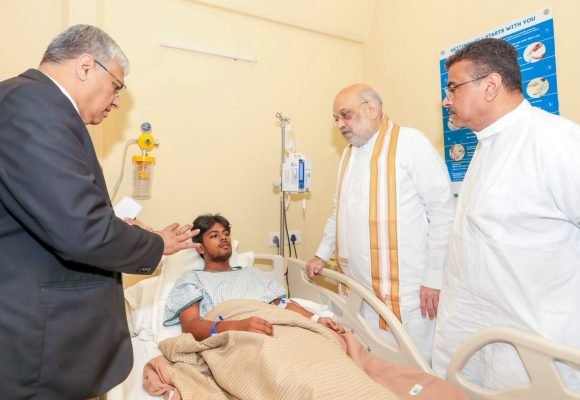
Amit Shah and Suvendu Adhikari Visit Hospital to Meet Kolkata Stampede Victims
Union Home Minister Amit Shah and West Bengal Chief Minister Suvendu Adhikari visited a Kolkata hospital to meet stampede victims and assured the injured of the best possible medical care and necessary assistance.
 OCT 18, 2026
Rubio Clarifies US Position on Starshield for Ukraine
US Secretary of State Marco Rubio says the possible use of Starshield by Ukraine remains under discussion, distinguishing the military satellite system from SpaceX's commercial Starlink service.
 OCT 18, 2026
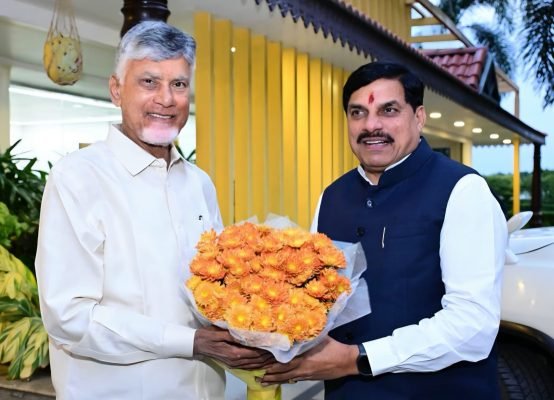
Mohan Yadav Meets Chandrababu Naidu, Reviews Amaravati Development
Madhya Pradesh Chief Minister Mohan Yadav met Andhra Pradesh Chief Minister N. Chandrababu Naidu to learn about development initiatives, including Amaravati’s construction. Nara Lokesh also presented him with a book on the Yuvagalam Padayatra.
 OCT 18, 2026
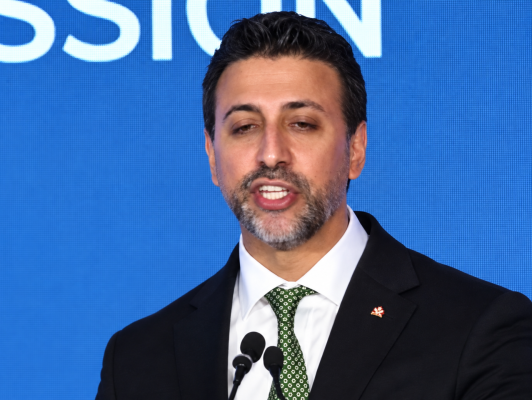
Canada Eyes Long-Term Trade Partnerships with India
Canada’s Trade Minister Maninder Sidhu has highlighted a $2.6 billion uranium supply agreement between Cameco and India while seeking stronger long-term business partnerships during the Team Canada Trade Mission reception in Mumbai.