

RBI Governor Sanjay Malhotra Explains MPC Rate Stance
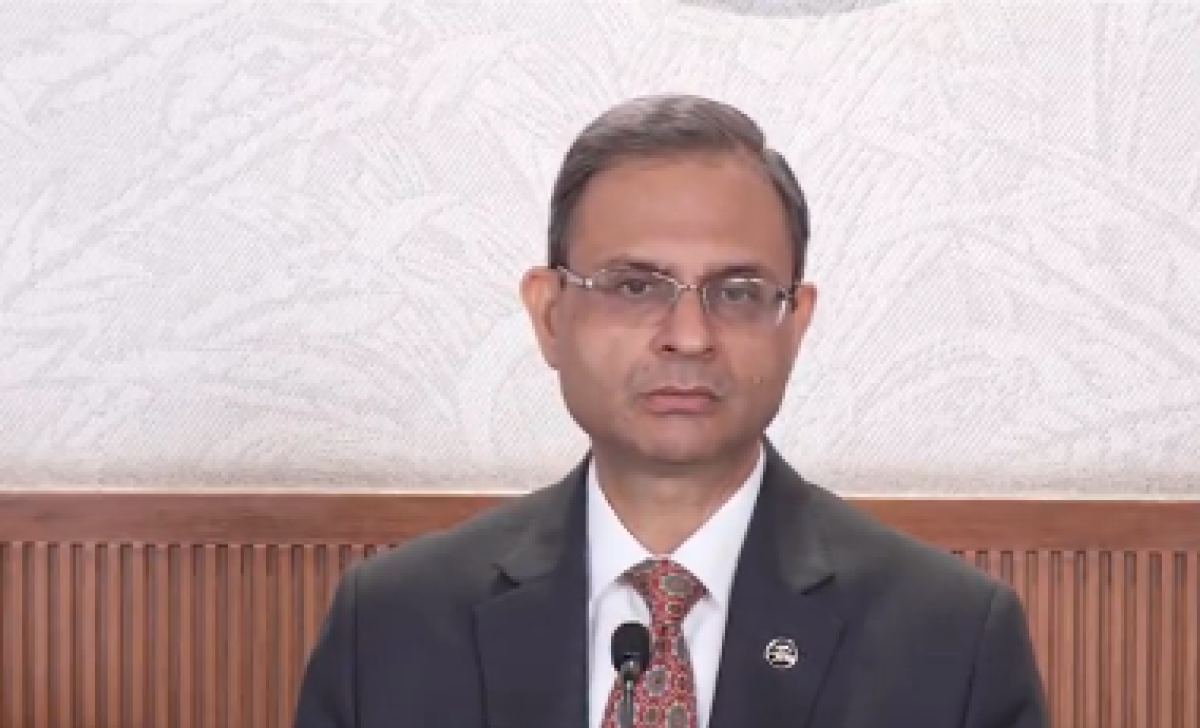
RBI Governor Sanjay Malhotra explained the Monetary Policy Committee's approach to the repo rate and its change in stance, clarifying how terms such as tightening, accommodation, neutral and calibrated are used in monetary policy guidance.
Sanjay Malhotra Explains MPC's Policy Approach
Speaking in Mumbai, Sanjay Malhotra said the MPC's decisions are not based on a voting process in the way the terminology might suggest. He explained that members can have slightly different views about the future policy path.
According to the RBI Governor, the terms used by the MPC are intended to provide an indication of how policy could evolve going forward.
#WATCH | Mumbai | On MPC's decision to hike the repo rate and change of stance, RBI Governor Sanjay Malhotra says, "Number one, we don't vote on it. It's not a vote. It's a view. It gives you a sense of our thinking, and different people can think slightly differently in so far as the policy path going forward is concerned. Cross-country, the meaning of 'tightening' means interest rates on monetary policy with high interest rates and appropriate liquidity, which will constrain or curb economic activity. Whereas 'accommodation' will mean a loose monetary policy where interest rates are low, liquidity is accordingly high so that it spurs economic activity. 'Neutral' means neither. In our context, we have used this more for policy guidance going forward, not so much for whether the policy itself is accommodative or whether it is restrictive. We are using it as a signal for our rates for our policy action going forward. We use this word calibrated, so tightening means as mentioned earlier, rate cart is off the table, and it's only hiking or a pause, which is a possibility. Calibrated means that it's a milder form; it's a milder form of a tightening where the decisions have to be more measured, more calibrated to the evolving microeconomic conditions, so it's more data-dependent."
— ANI (@ANI) October 7, 2026
What Do Tightening, Accommodation and Neutral Mean?
Malhotra explained that, across countries, tightening generally refers to a monetary policy approach involving higher interest rates and appropriate liquidity conditions that constrain or curb economic activity.
By contrast, accommodation refers to a looser monetary policy, with lower interest rates and corresponding liquidity conditions aimed at supporting economic activity.
A neutral stance, he explained, indicates neither of these positions.
RBI's Use of Policy Guidance
Malhotra said that in the Indian context, these terms are being used primarily as guidance for future policy action rather than simply to describe whether the existing policy is accommodative or restrictive.
He added that the term "calibrated" indicates a milder form of tightening, with policy decisions being measured and dependent on evolving economic conditions.
Future Policy Decisions to Remain Data-Dependent
According to Malhotra, the calibrated approach means that policy decisions will be more measured and responsive to changing economic conditions. He said future decisions would therefore remain data-dependent.
The RBI Governor's comments came while explaining the MPC's decision on the repo rate and change in policy stance.
Related News
 OCT 27, 2026
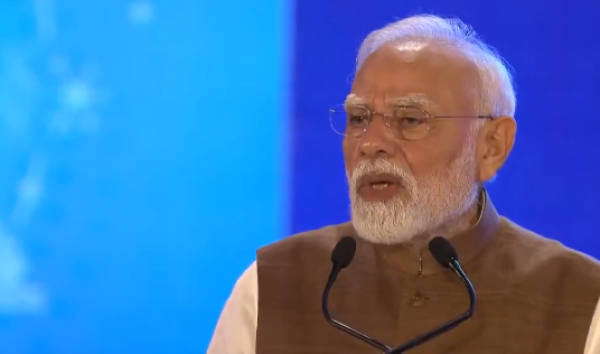
PM Modi Says ₹24,000 Crore Committed to India Research and Development in One Year
Prime Minister Narendra Modi said India secured ₹24,000 crore in new research and development commitments in one year while urging scientists to use AI without compromising independent thinking.
 OCT 27, 2026
Harry Kane Reflects on Unforgettable Ballon d’Or Triumph
Harry Kane calls his Ballon d’Or triumph an evening he will never forget, thanking his teammates, staff, family, friends and fans for their support.
 OCT 27, 2026
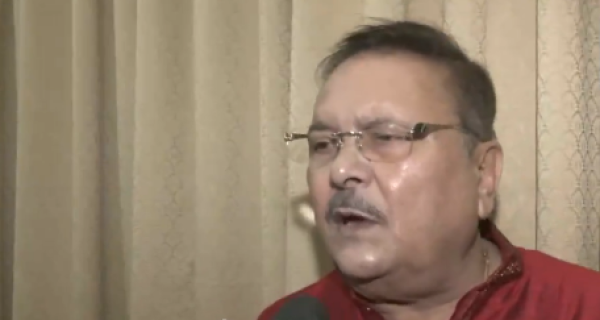
Madan Mitra Targets BJP Over Gaighata Police Encounter
Democratic Trinamool Congress leader Madan Mitra criticised the BJP after the accused in the Gaighata rape-murder case was killed in a police encounter in North 24 Parganas.
 OCT 27, 2026
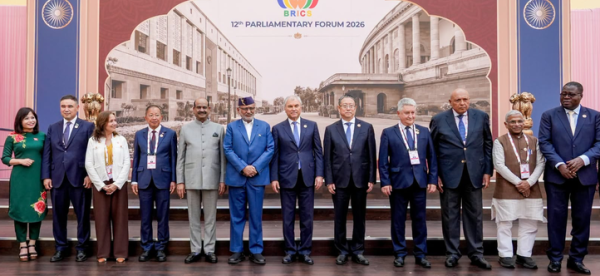
Om Birla Calls for Peace, Justice at BRICS Parliamentary Forum 2026
Lok Sabha Speaker Om Birla said global peace must ensure security, dignity and justice for all as the 12th BRICS Parliamentary Forum concluded in New Delhi.