

Speaker Notices to 20 NCPI MPs Trigger Political Row
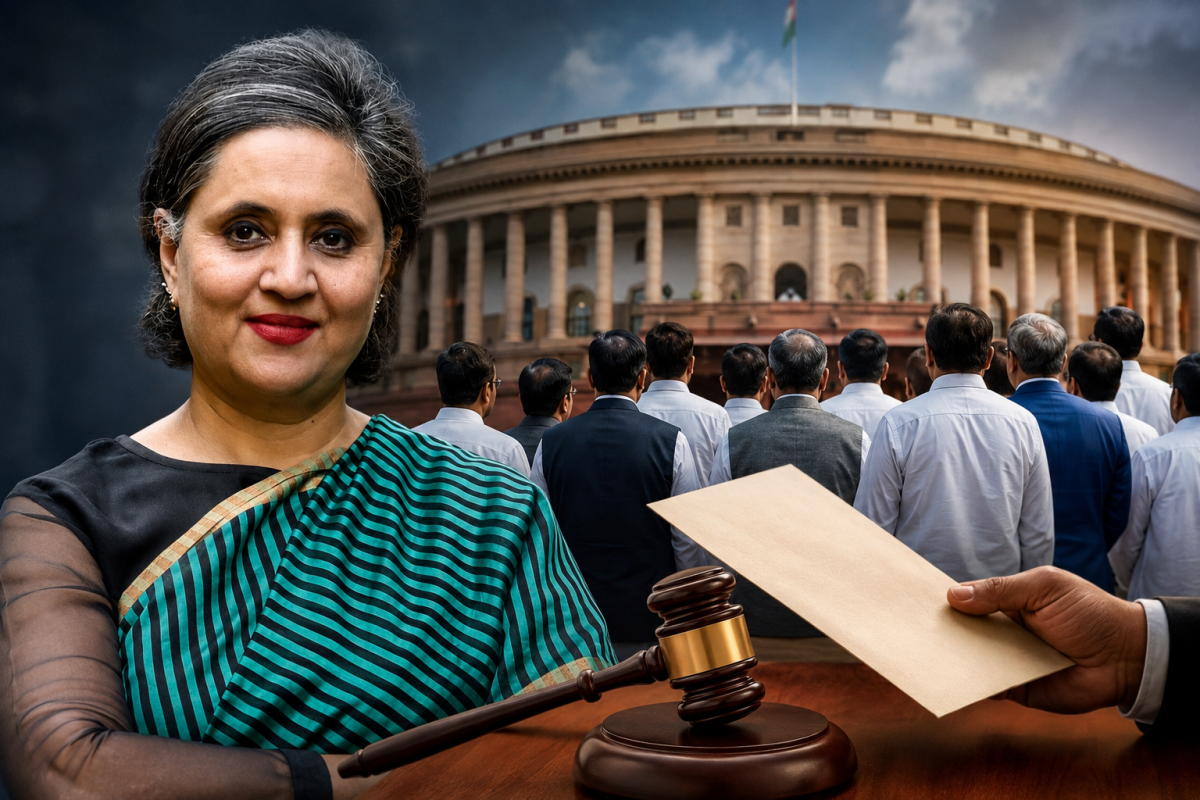
Speaker notices to 20 NCPI MPs have triggered a fresh political controversy in the Lok Sabha, with Trinamool Congress (TMC) MP Sagarika Ghose calling the development a significant step in the disqualification proceedings against the lawmakers.
Speaking on the notices issued by the Lok Sabha Speaker's office, Ghose alleged that the MPs had been elected on one political symbol but subsequently joined another party. She argued that such a move raises questions under the Constitution and the anti-defection provisions.
According to Ghose, the notices represent an important development after a delay of nearly two months. She claimed that the disqualification petition concerning the 20 MPs was submitted in June and that the Speaker's office has now taken action. Sagarika Ghose Calls Speaker's Action a "Breakthrough"
Reacting to the notices, Sagarika Ghose described the move as a "breakthrough" and said it was significant that the Speaker's office had acted on the matter.
Ghose alleged that the 20 MPs had violated constitutional and legal provisions by changing political affiliation after being elected. She further argued that their actions amounted to a violation of the mandate given by voters.
However, the allegations are part of an ongoing political and legal dispute, and the final decision regarding disqualification rests with the competent constitutional authority.
The TMC MP also linked the latest development to proceedings before the Supreme Court, saying that the Speaker's office acted after the apex court issued directions in connection with the matter.
What Is the Anti-Defection Law? The dispute has brought renewed attention to the Tenth Schedule of the Constitution, commonly known as the anti-defection law.
The Tenth Schedule was introduced to address political defections by elected representatives. Among other provisions, it lays down circumstances under which a Member of Parliament or legislator can face disqualification for voluntarily giving up membership of a political party or voting contrary to the directions of the party in specified circumstances.
Ghose referred specifically to the merger provisions under the Tenth Schedule while making her case for disqualification.
She argued that the law distinguishes between an individual member changing political affiliation and a constitutionally recognised merger involving a political party. Her comments reflect the TMC's position on the dispute.
The precise application of the anti-defection provisions, however, depends on the facts of each case and the decision of the competent authority.
TMC MP Demands Immediate Disqualification
Sagarika Ghose went further by demanding the immediate disqualification of the 20 MPs.
She alleged that the lawmakers had betrayed the mandate of voters and undermined democratic principles by changing their political allegiance. The TMC MP maintained that the provisions of the Tenth Schedule should be applied to the lawmakers if the relevant legal conditions are found to have been met.
The demand has added to the political pressure surrounding the notices issued by the Speaker's office.
The matter is now expected to remain under close scrutiny as the MPs respond to the notices and the constitutional process moves forward.
Supreme Court Proceedings Also in Focus
Ghose also referred to the role of the Supreme Court in the broader dispute. According to her, the Speaker's office acted after the Supreme Court issued directions in the matter. She also said that Abhishek Banerjee had approached the apex court in connection with the proceedings.
The interaction between judicial directions and the Speaker's constitutional role is an important aspect of the dispute. Under India's parliamentary framework, questions relating to disqualification under the Tenth Schedule are generally decided by the Speaker or Chairman of the relevant House, subject to judicial review.
The latest notices could therefore become an important stage in determining how the allegations against the 20 MPs are addressed.
Political Significance of the Notices The Speaker notices to 20 NCPI MPs come against the backdrop of continuing political debates over party switching, electoral mandates and the anti-defection law.
Political parties have repeatedly argued that elected representatives who change political allegiance after elections can undermine the mandate received from voters. At the same time, questions surrounding the interpretation and implementation of the anti-defection law have remained subjects of legal and constitutional debate.
The current dispute is therefore significant not only for the parties directly involved but also for the broader discussion on parliamentary democracy.
For the TMC, the notices provide an opportunity to press its demand for action against the MPs. For the lawmakers concerned, the notice process provides an opportunity to respond to the allegations before any final decision is taken.
What Happens Next? The immediate next step will involve the MPs responding to the notices issued by the Speaker's office. Their responses and the subsequent proceedings will be important in determining whether the disqualification petitions move forward. Any final decision will have significant political and constitutional implications. For now, Sagarika Ghose has made her position clear: she wants the 20 MPs to be disqualified under the anti-defection provisions. The lawmakers and other political stakeholders are likely to present their respective positions as the process continues. The controversy once again highlights the importance of the Tenth Schedule and the continuing debate over political defections in India's parliamentary system.
The issuance of notices to 20 MPs has opened a fresh political and constitutional chapter in the ongoing dispute. TMC MP Sagarika Ghose has welcomed the Speaker's action and demanded the disqualification of the lawmakers, citing the Tenth Schedule and the anti-defection framework.
As the notice process progresses, the responses of the concerned MPs and the decision of the competent authority will determine the next course of action. The issue is likely to remain a major point of political discussion, particularly because it touches upon party allegiance, electoral mandates and the functioning of India's parliamentary democracy.
Related News
 AUG 26, 2026
PM Modi to Address Khelo India Dialogue on August 27
Prime Minister Narendra Modi will address the Khelo India Dialogue on August 27, bringing together youth, athletes and public representatives to discuss sports, fitness, leadership and Viksit Bharat.
 AUG 26, 2026
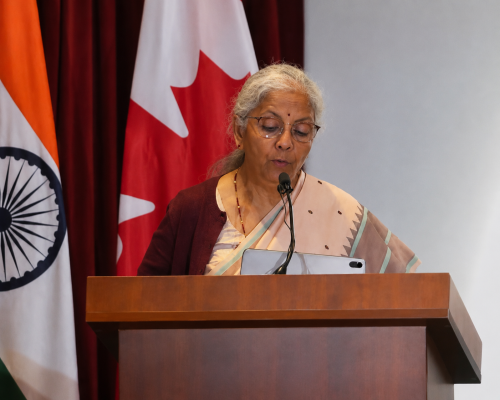
Nirmala Sitharaman Highlights India’s Growth, Scale and Young Population
Finance Minister Nirmala Sitharaman highlighted India’s position as the fastest-growing major economy, citing its young population, rising consumption, deepening capital markets and expanding digital infrastructure.
 AUG 26, 2026
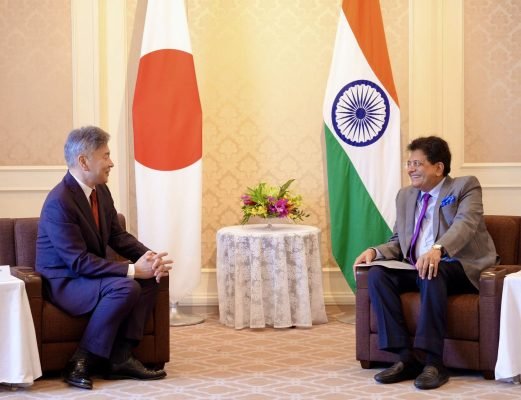
Piyush Goyal Meets MUFG Deputy Chairman to Strengthen India-Japan Financial Cooperation
Union Minister Piyush Goyal met MUFG Deputy Chairman Yasushi Itagaki to discuss opportunities for strengthening India-Japan cooperation in banking, commercial finance and investment.
 AUG 26, 2026
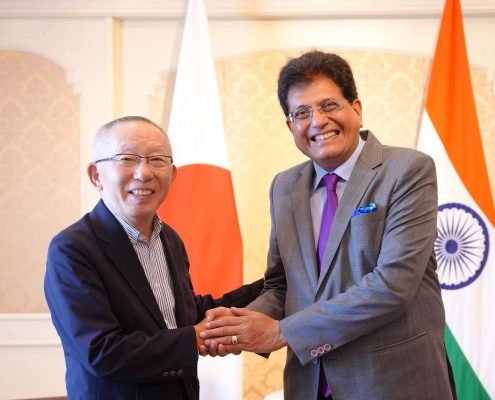
Piyush Goyal Meets Uniqlo CEO Tadashi Yanai to Boost India-Japan Business Ties
Union Minister Piyush Goyal met Fast Retailing Chairman and CEO Tadashi Yanai to discuss opportunities for collaboration in retail, manufacturing and sustainable business between India and Japan.