

Sukanta Majumdar on CJP Protest at Jantar Mantar
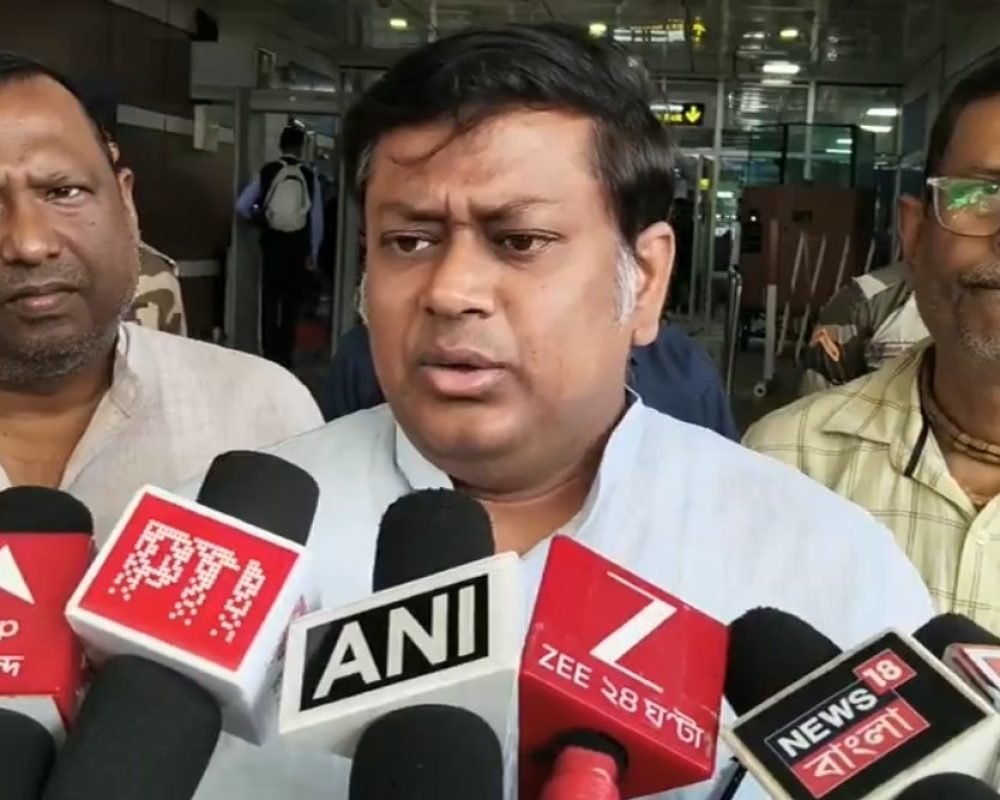
Sukanta Majumdar on CJP Protest has intensified the political debate surrounding the proposed agitation at Jantar Mantar. Union Minister Sukanta Majumdar questioned the reasoning behind the protest and challenged the opposition's arguments over the functioning and impartiality of the Election Commission of India.
Speaking about the announcement of the CJP protest at Jantar Mantar, Majumdar said that the agitation had already begun but questioned what he described as the lack of a clear rationale behind it.
According to the Union Minister, those participating in the protest have not adequately explained the basis of their objections.
Sukanta Majumdar Questions Logic Behind CJP Protest
Sukanta Majumdar said that the protesters were already engaged in agitation but argued that there was no convincing logic being presented to justify their position.
He questioned why concerns over the Election Commission's independence were being raised now, particularly when, according to his argument, the process for deciding the Election Commission had historically worked differently.
The Union Minister's remarks came amid the announcement of a CJP-led protest at Jantar Mantar, adding another dimension to the ongoing political discussion over electoral institutions and their functioning.
Debate Over Election Commission Appointment
A major part of Sukanta Majumdar's argument focused on the historical process of selecting members of the Election Commission of India.
Majumdar claimed that for around five decades, the Election Commission was decided by the Prime Minister and that opposition leaders or committees did not have a role in the manner being discussed today.
His remarks were aimed at questioning the basis of the current criticism and the arguments being made by those opposing the existing system.
Historical Examples Cited by Sukanta Majumdar
Sukanta Majumdar also referred to instances involving former Chief Election Commissioners after the completion of their tenures.
According to the Union Minister, there have been cases where former Chief Election Commissioners subsequently became Rajya Sabha members or Governors. He cited these examples while questioning the current discourse around the impartiality of the Election Commission.
Majumdar argued that those who were associated with or accepted such developments in the past should also explain their present position on the issue of institutional impartiality.
CJP Protest and Political Opposition
The proposed CJP protest at Jantar Mantar has become part of a wider political confrontation over the Election Commission and electoral processes.
Opposition parties and other political groups have repeatedly raised questions about the independence and functioning of electoral institutions. The government and its supporters, however, have rejected several of these allegations and argued that the Election Commission operates within the constitutional framework.
Sukanta Majumdar's latest comments reflect the government's broader political response to criticism of the Election Commission. By referring to the historical appointment process and examples involving former election officials, he sought to challenge what he described as selective criticism.
Why Jantar Mantar Protest Matters
Jantar Mantar has traditionally been a major venue for political demonstrations and public protests in New Delhi. The announcement of the CJP protest there therefore carries political significance, particularly amid an ongoing debate about electoral reforms and the independence of constitutional institutions.
Related News
 OCT 24, 2026
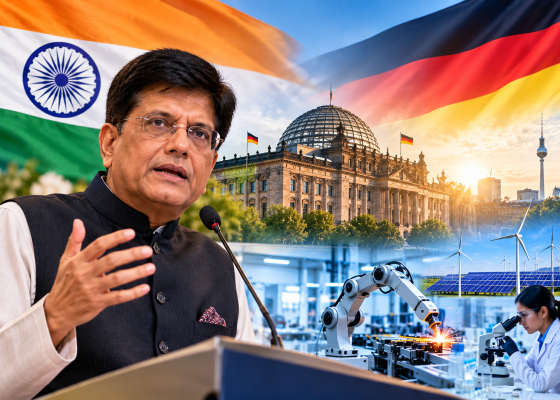
Piyush Goyal Envisions India-Germany R&D and Manufacturing Push
Piyush Goyal has invited German businesses to deepen R&D and manufacturing cooperation with India, combining German precision engineering with Indian talent and cost-effective production to serve global markets.
 OCT 24, 2026
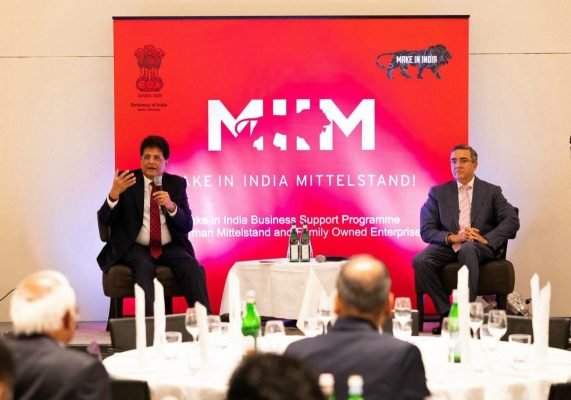
Piyush Goyal Urges Indian Industries to Leverage India-EU Free Trade Agreement
Union Minister Piyush Goyal urged Indian MSMEs to seize opportunities under the India-EU FTA, expand market access and build lasting partnerships with German businesses across key industries.
 OCT 24, 2026
“History Created at Aichi-Nagoya 2026”: Mansukh Mandaviya Celebrates India’s 114 Medals
India achieves its highest-ever Asian Para Games medal tally with 114 medals at Aichi-Nagoya 2026. Sports Minister Mansukh Mandaviya credits Khelo India and TOPS for empowering para-athletes.
 OCT 24, 2026
Asian Para Games 2026: India Wraps Up Historic Campaign with Record 114 Medals
India concluded its Asian Para Games 2026 campaign with a record 114 medals, including 30 gold, 35 silver and 49 bronze. Day 5 featured a world-record sprint by Sandeep Kumar, Sumit Antil's javelin gold, para-badminton triumphs and para-archery success, marking India's best-ever performance at the competition.