

Suvendu Adhikari Raksha Bandhan Remarks on Jadavpur
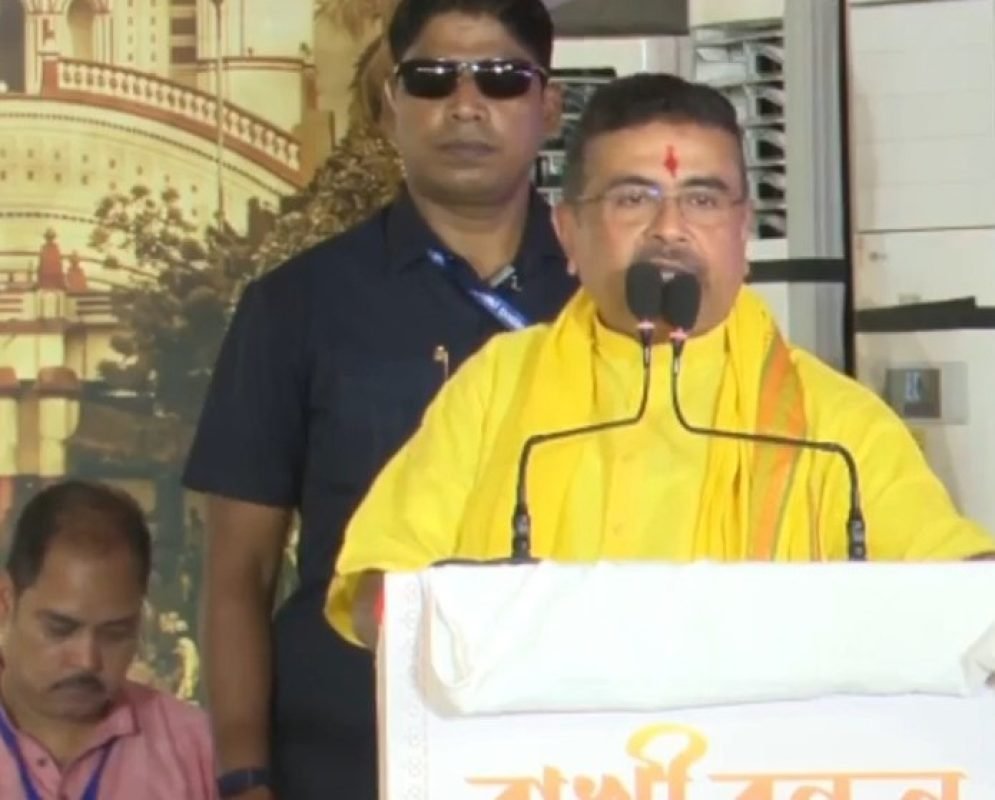
Suvendu Adhikari Raksha Bandhan remarks triggered a political debate after the West Bengal Chief Minister used a Raksha Bandhan programme in Bhabanipur to speak about patriotism, national unity and what he described as attempts to weaken the country from within.
Addressing a gathering during the festival, Adhikari criticised slogans demanding “azadi” and referred specifically to writings reported on the walls of Jadavpur University. He questioned the presence of the phrase “Red Salute Kishanji” at an institution he described as one of the country’s premier educational establishments.
The Chief Minister also spoke about the contribution of Bengal to India’s freedom struggle and emphasised the importance of national unity.
Suvendu Adhikari Raises Questions Over ‘Azadi’ Slogans
During his speech, Suvendu Adhikari expressed concern over slogans demanding “azadi” on the streets of Kolkata. He questioned the meaning of such slogans in a country that achieved independence in 1947.
According to the Chief Minister, while the country has security forces to deal with external threats, there are also challenges that he believes emerge from within society.
His comments came during a programme marking Raksha Bandhan, a festival traditionally associated with bonds of affection, protection and social harmony.
The Chief Minister sought to connect the occasion with a broader message of patriotism and national responsibility.
Jadavpur University Wall Writing Becomes a Political Flashpoint
A major portion of Adhikari’s remarks focused on Jadavpur University. He referred to the phrase “Red Salute Kishanji” reportedly written on a wall of the university and questioned what message such references could send to younger generations.
Kishanji, or Koteshwara Rao, was a senior Maoist leader who was killed in 2011. His name has remained associated with the Maoist insurgency in India.
Adhikari questioned why a figure associated with the Maoist movement should be celebrated at a leading educational institution. He also alleged that such references could influence students and young people.
The comments are part of a wider political debate in West Bengal over political expression on university campuses, freedom of speech and the limits of ideological activism.
Chief Minister Speaks About Patriotism and National Symbols
The Suvendu Adhikari Raksha Bandhan remarks also included references to national symbols, including “Vande Mataram” and “Jana Gana Mana.”
The Chief Minister questioned why anyone should object to the full version of “Vande Mataram” and criticised what he described as disrespect towards national symbols.
He called for a stronger sense of patriotism and national unity, particularly among younger generations.
The Chief Minister's comments also reflected the BJP government's broader emphasis on nationalism and cultural identity.
Reference to Bengal’s Role in the Freedom Movement
During the Raksha Bandhan programme at Bhabanipur, Adhikari highlighted Bengal's historical contribution to India's freedom movement.
He referred to the sacrifices and struggles of freedom fighters from Bengal while arguing that the state's history should inspire a stronger sense of national pride.
The Chief Minister contrasted the sacrifices made during the independence movement with contemporary slogans demanding separation or greater autonomy.
He said India's armed forces remain responsible for dealing with external enemies and referred to military operations as examples of India's ability to respond to security threats.
At the same time, he argued that certain activities inside the country could also weaken national unity.
The remarks reflect a recurring political argument in which national security is discussed alongside concerns over separatism, extremism and ideological movements.
Related News
 OCT 9, 2026
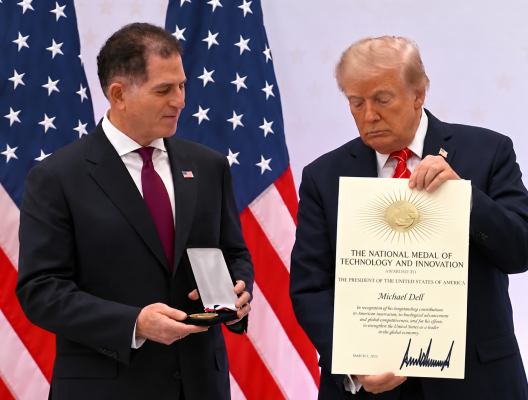
Trump Praises Michael Dell for Transforming Personal Computing
President Donald Trump has praised Michael Dell for transforming a $1,000 idea developed in his University of Texas dorm room into a revolution in personal computing.
 OCT 9, 2026
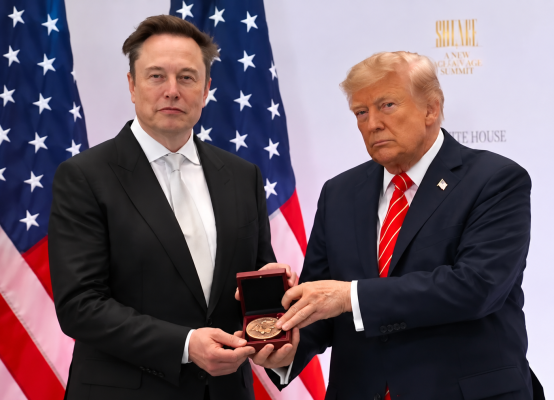
Trump Hails Elon Musk as ‘Titan’ of Technology
U.S. President Donald Trump has praised Elon Musk as an “industrial titan” and brilliant engineer, calling him one of the greatest technology founders ever to live. Trump also compared Musk to Thomas Edison and highlighted his contribution to American technological innovation.
 OCT 9, 2026
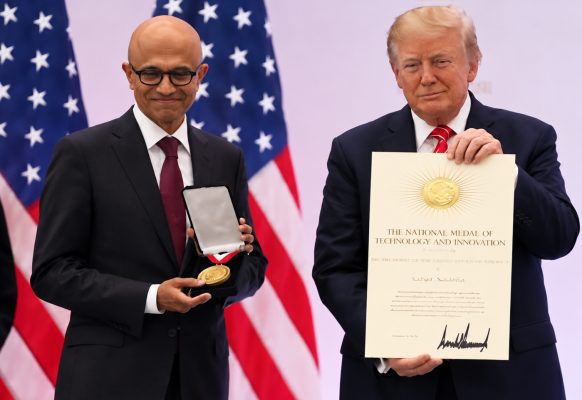
Trump Praises Satya Nadella for Transforming Microsoft
US President Donald Trump praised Microsoft CEO Satya Nadella for transforming the company and expanding its technological impact worldwide.
 OCT 9, 2026
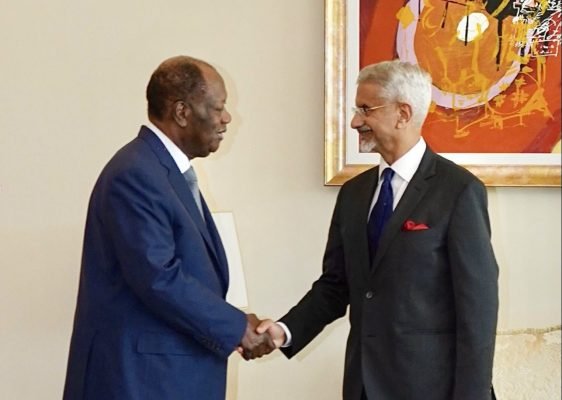
Jaishankar Meets Côte d’Ivoire President Ouattara
EAM S Jaishankar met Côte d’Ivoire President Alassane Ouattara, conveying greetings from President Murmu and PM Modi and reaffirming India’s commitment to a strong bilateral partnership.