

West Bengal's Anti-Hooliganism Law Takes Effect
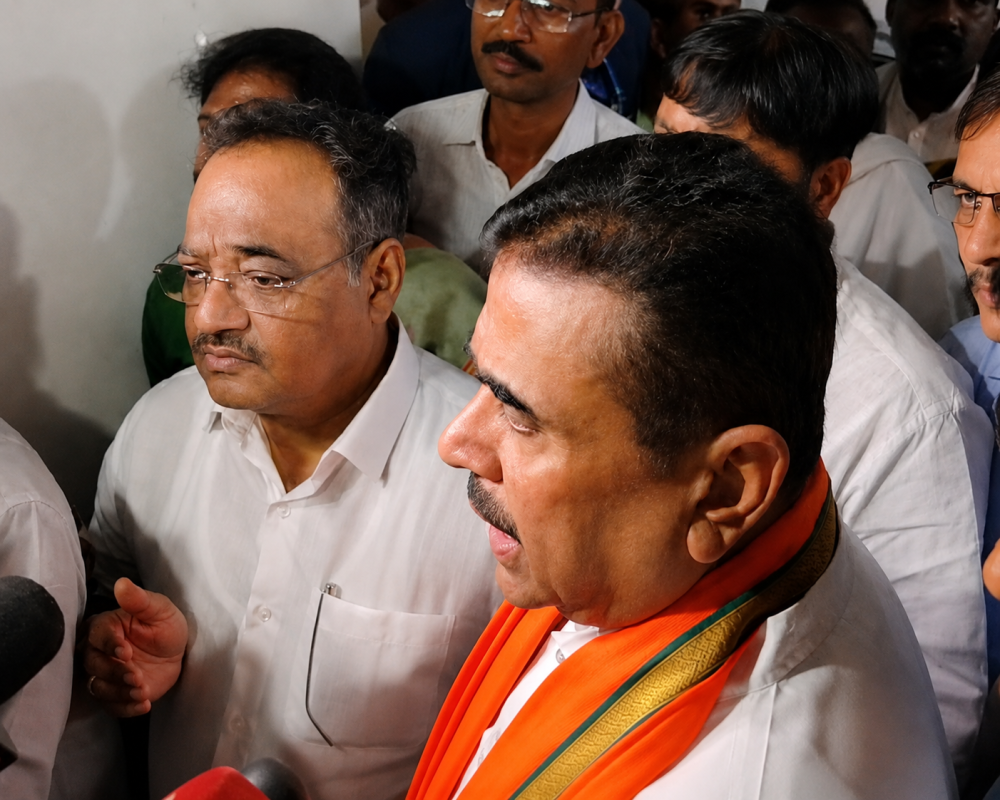
The West Bengal Public Security and Control of Anti-Social Activities Act, widely known as the Anti-Hooliganism Act (Gunda Daman Ain), officially came into force across the state on Monday, marking a significant step by the West Bengal government to crack down on organized crime, extortion, syndicate rackets, illegal land grabbing and other anti-social activities.
Chief Minister Suvendu Adhikari said the legislation was essential to restore the rule of law and ensure strict action against criminal networks operating across the state. Speaking after the filing of Rajya Sabha nomination papers by three BJP candidates, he asserted that the law would strengthen the administration's ability to combat organized crime and protect public order.
According to the state government, the existing legal framework was not sufficient to effectively tackle syndicate operations, illegal extraction of natural resources, extortion and other organized criminal activities. The new law expands the definition of anti-social activities to include disrupting public order, intimidating citizens, extortion, illegal land grabbing, damaging public or private property, obstructing lawful businesses, illegal mining, sand and stone quarrying, and destruction of forest and wildlife resources.
The Act also clearly defines a "hooligan" as a habitual offender, gang or syndicate member or leader, or an individual involved in serious offences such as illegal firearms, narcotics, explosives and smuggling. Authorities have also been empowered to take preventive action if they believe an individual poses a threat to public safety.
One of the key provisions allows the state government, Police Commissioners, District Magistrates or police officers of DIG rank and above to order preventive detention based on police or administrative reports, even before a chargesheet is filed. A person may be detained for up to 12 months, subject to review by an Advisory Board headed by a sitting or former High Court judge, which can recommend revoking the detention if sufficient grounds are not established.
The legislation also authorizes the administration to direct individuals to leave specific districts or localities in the interest of public order. Police have been granted powers to conduct searches without warrants, inspect vehicles and premises, and seize documents, cash or property linked to criminal activities.
All offences under the Act have been classified as cognizable and non-bailable, allowing police to arrest suspects without a warrant, while bail will remain subject to the discretion of the courts. The law also prescribes imprisonment and fines for violating detention orders or sheltering accused individuals.
The state government maintains that the legislation is aimed at strengthening law enforcement against organized criminal activities while ensuring judicial oversight through the Advisory Board mechanism.
Related News
 OCT 24, 2026
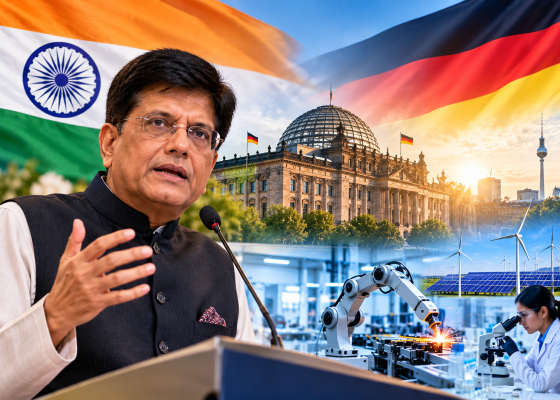
Piyush Goyal Envisions India-Germany R&D and Manufacturing Push
Piyush Goyal has invited German businesses to deepen R&D and manufacturing cooperation with India, combining German precision engineering with Indian talent and cost-effective production to serve global markets.
 OCT 24, 2026
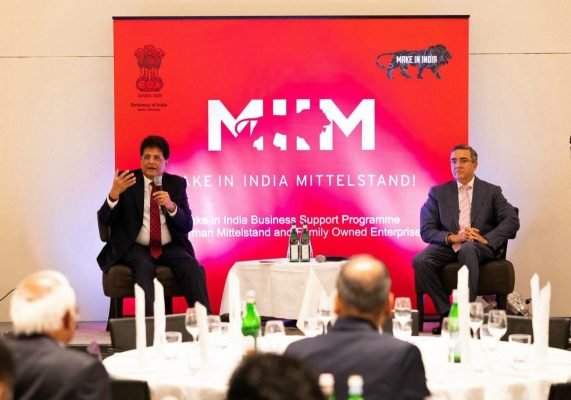
Piyush Goyal Urges Indian Industries to Leverage India-EU Free Trade Agreement
Union Minister Piyush Goyal urged Indian MSMEs to seize opportunities under the India-EU FTA, expand market access and build lasting partnerships with German businesses across key industries.
 OCT 24, 2026
“History Created at Aichi-Nagoya 2026”: Mansukh Mandaviya Celebrates India’s 114 Medals
India achieves its highest-ever Asian Para Games medal tally with 114 medals at Aichi-Nagoya 2026. Sports Minister Mansukh Mandaviya credits Khelo India and TOPS for empowering para-athletes.
 OCT 24, 2026
Asian Para Games 2026: India Wraps Up Historic Campaign with Record 114 Medals
India concluded its Asian Para Games 2026 campaign with a record 114 medals, including 30 gold, 35 silver and 49 bronze. Day 5 featured a world-record sprint by Sandeep Kumar, Sumit Antil's javelin gold, para-badminton triumphs and para-archery success, marking India's best-ever performance at the competition.