

New Blood Test May Detect Alzheimer’s Before Symptoms Begin
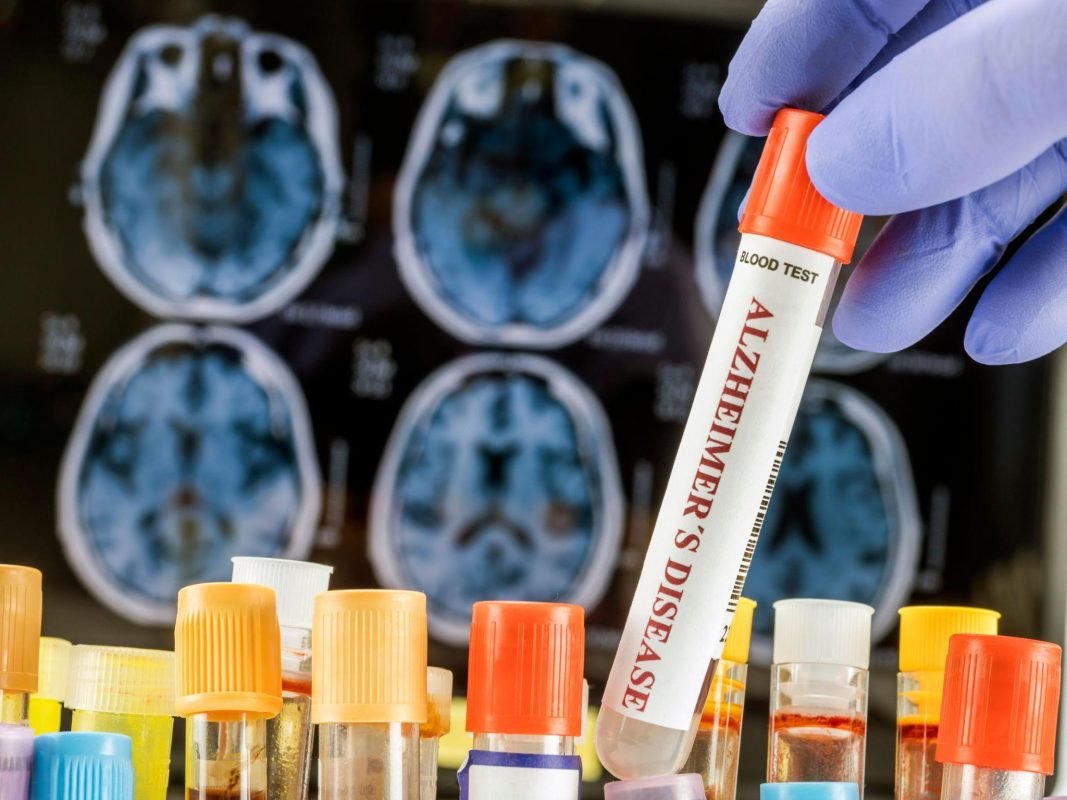
New Alzheimer’s Blood Test Introduced in India
A new blood test introduced in India could make the detection of Alzheimer's disease faster, simpler, and far less invasive. The development comes at a time when Alzheimer’s cases are steadily increasing in the country, while diagnosis often happens only after symptoms have significantly progressed.
Alzheimer’s disease, one of the most common forms of dementia, gradually damages brain cells, leading to memory loss, cognitive decline, and behavioural changes. The condition is linked to abnormal protein build-up in the brain, particularly amyloid and tau proteins.
Plasma-Based Test May Improve Early Diagnosis
Metropolis Healthcare has launched a plasma-based screening test designed to identify key biomarkers associated with Alzheimer’s disease. Unlike traditional diagnostic methods, the new test works through a routine blood sample, making the process more accessible and affordable for patients.
Until now, diagnosing Alzheimer’s largely depended on clinical assessment, brain imaging such as MRI or PET scans, and cerebrospinal fluid (CSF) testing.
CSF testing requires a spinal tap procedure, where fluid is collected from the spine — a method many patients find invasive and uncomfortable.
According to Kirti Chadha, the new blood test eliminates the need for spinal puncture in many cases.
She explained that the plasma-based approach makes Alzheimer’s screening easier, cheaper, and more widely available.
Can the Test Detect Alzheimer’s Before Symptoms?
One of the most significant advantages of the new blood test is its ability to identify early changes linked to Alzheimer’s disease, even before noticeable symptoms appear.
The test measures amyloid and tau biomarkers — proteins that accumulate in the brain and form plaques commonly associated with Alzheimer’s.
Experts say individuals with a family history of dementia or Alzheimer’s could benefit from early screening and monitoring.
Early diagnosis may help doctors begin treatment and disease management sooner, potentially slowing progression and improving quality of life.
Accuracy and Clinical Findings
According to data referenced by the US Food and Drug Administration, the plasma biomarker test demonstrated strong accuracy levels.
Around 91.7% of individuals who tested positive through the blood test were later confirmed to have amyloid plaques through PET scans or CSF testing. Meanwhile, 97.3% of people who tested negative showed no signs of amyloid-related abnormalities.
Internal evaluations by Metropolis Healthcare also reported sensitivity levels of 94.4% and specificity reaching up to 100% in certain datasets.
The company has already rolled out the test, with nearly 50 to 60 patients screened so far. Early findings reportedly show strong alignment with clinical observations.
Alzheimer’s Often Goes Undiagnosed in India
Health experts warn that Alzheimer’s disease remains heavily underdiagnosed in India, particularly among adults over the age of 50.
Early symptoms such as mild forgetfulness or confusion are often mistaken for normal ageing, delaying medical attention.
A simple blood-based screening test could help improve awareness and encourage earlier diagnosis, especially among high-risk individuals.
Related News
 OCT 12, 2026
FIFPRO Report Finds 49% of Women Footballers Consider Leaving Football Early
A new FIFPRO report highlights the challenges facing women's football, with 49% of surveyed players considering an early exit. Financial pressures, mental health concerns, limited employment contracts and unequal access to player protections remain major issues despite the sport's growing commercial success.
 OCT 12, 2026
How New Medical Technologies Are Transforming Heart Surgery and Improving Heart Health
Advances in cardiac imaging, minimally invasive procedures and multidisciplinary care are transforming heart treatment. Discover how modern heart surgery technology helps doctors diagnose valve disease, personalise treatment and monitor recovery.
 OCT 12, 2026
How Gummies, Wellness Shots and Oils Are Transforming India’s Wellness Habits
Gummies, wellness shots, oils and powders are reshaping India's wellness habits. As consumers seek convenient daily routines, transparency, product quality and informed choices are becoming increasingly important.
 OCT 10, 2026
Psychologists Explain Why “Stop Overthinking” Doesn’t Work and What You Should Do Instead
Being told to “stop overthinking” rarely helps when your mind keeps replaying conversations and imagining worst-case scenarios. Psychologists explain why repetitive thinking happens and share practical strategies to manage anxious thoughts, tolerate uncertainty, and regain control.