

Calcutta Killings 1946: Governor Ravi Recalls Partition-Era Violence
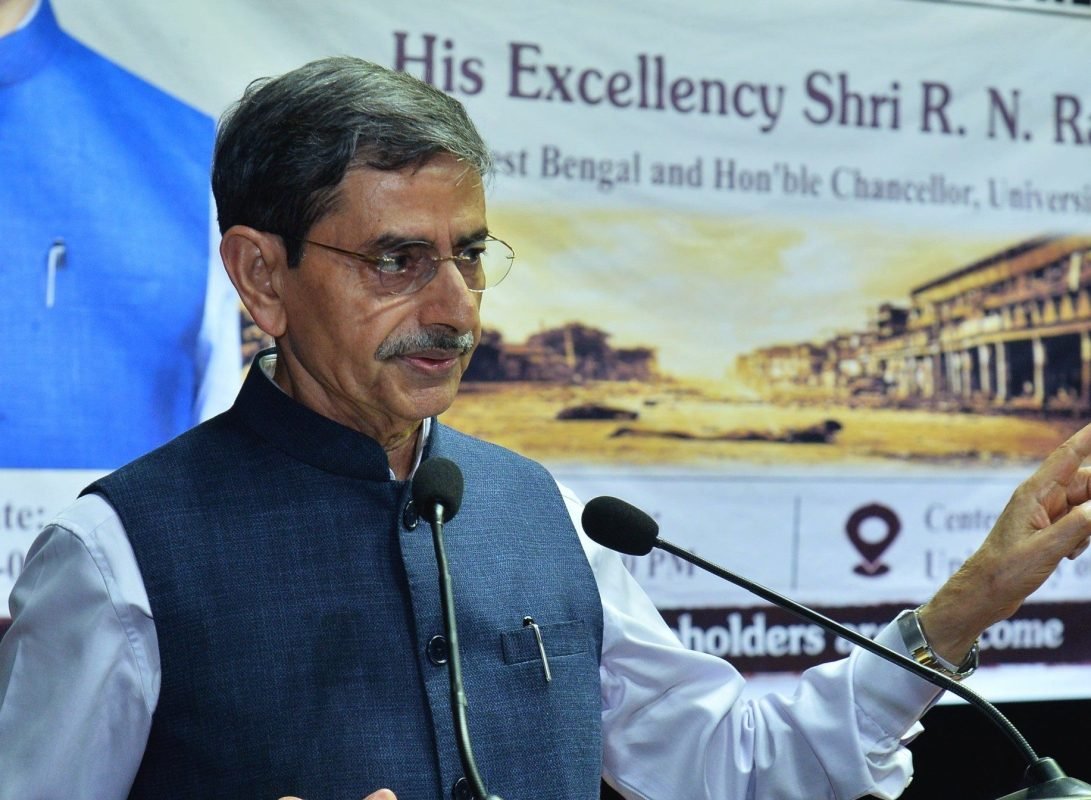
Calcutta Killings 1946 were remembered at a memorial meeting held at Calcutta University, where Governor Ravi spoke about the devastating communal violence that preceded the Partition of India. He said the episode should not be reduced merely to an isolated communal riot or allowed to disappear from public memory.
Recalling the political circumstances surrounding the violence, Governor Ravi referred to the Muslim League's call for “Direct Action” and described the events of August 1946 as a major turning point in the history of Bengal and the country.
Governor Ravi Recalls the Calcutta Killings
Speaking at the memorial meeting, Governor Ravi argued that the Calcutta Killings 1946 should be understood in the broader historical context of the events that eventually led to the Partition of India.
He said the violence had far-reaching consequences and should be studied carefully by future generations. According to the Governor, reducing the episode to a simple confrontation between two communities risks overlooking the wider political and historical circumstances of the period.
The violence in Calcutta in August 1946 was followed by communal unrest in other parts of the country, including Noakhali and Bihar, contributing to an atmosphere of deep social and political tension before Independence and Partition.
Reference to Direct Action
Governor Ravi recalled the Muslim League's call for “Direct Action” and its role in the events surrounding August 1946.
He also referred to Huseyn Shaheed Suhrawardy and other political leaders while discussing the historical circumstances of the violence and the subsequent demand for a separate homeland.
The Governor maintained that the events should be remembered as part of the larger chain of developments that eventually culminated in the Partition of India.
Partition and the Legacy of Communal Violence
The Calcutta Killings 1946 marked one of the most traumatic episodes in the final years of British rule in India.
The violence resulted in extensive loss of life and deepened communal tensions. Subsequent violence in other regions further intensified fears and mistrust among communities.
Governor Ravi said the history of this period must not be distorted or forgotten. He argued that an accurate understanding of the past is essential for ensuring that future generations recognise the consequences of communal hatred and division.
The Importance of Historical Memory
The Governor emphasised that historical memory plays an important role in understanding the challenges faced by India before Independence.
According to him, the events surrounding the Calcutta Killings 1946 should encourage younger generations to study the circumstances that led to communal violence and Partition.
Remembering such episodes does not have to mean perpetuating divisions. Instead, it can provide an opportunity to understand the devastating consequences of hatred, political polarisation and violence.
Governor Ravi Highlights India's Civilisational Values
During his address, Governor Ravi described India as a civilisation deeply rooted in the principles of pluralism, coexistence and the philosophy of “Vasudhaiva Kutumbakam”, or the idea that the world is one family.
He also referred to India's traditions of non-violence and cultural diversity.
The Governor recalled Bengal's historical contribution to India's freedom movement, including its association with the patriotic slogan “Vande Mataram”.
Bengal's Place in India's History
Bengal played a significant role in India's political, cultural and freedom movements. Governor Ravi said the region's historical legacy makes it particularly important to remember the suffering caused by the violence of the Partition era.
The events of 1946 and 1947 left a lasting impact on families and communities across Bengal and the Indian subcontinent.
Message to the Younger Generation
Governor Ravi also used the occasion to call upon young people to learn from history and remain committed to India's unity and sovereignty.
He stressed the need for vigilance against forces that could threaten social cohesion, while calling for a strong and united India.
The Governor urged the younger generation to contribute to India's development and what he described as its ongoing civilisational resurgence.
Building a United India
The address concluded with an emphasis on national unity, sovereignty and the importance of preserving India's cultural and civilisational identity.
While recalling the painful history surrounding the Calcutta Killings 1946, Governor Ravi said the lessons of the past should help strengthen India's commitment to unity and social harmony.
Why the Calcutta Killings Remain Historically Significant
The August 1946 violence in Calcutta remains an important subject of historical study because it occurred at a crucial stage in India's transition from colonial rule to Independence.
The events demonstrated how political disagreements and communal tensions could escalate into widespread violence. They were followed by further unrest in several parts of the subcontinent, contributing to the atmosphere in which Partition eventually took place.
Remembering the Calcutta Killings 1946 therefore remains relevant not only as an account of past violence but also as a reminder of the human cost of division.
The Calcutta Killings 1946 were remembered at a memorial meeting at Calcutta University, where Governor Ravi spoke about the historical significance of the violence and its connection with the events preceding India's Partition.
He urged people, particularly young Indians, to understand history, preserve national unity and reject forces that promote hatred and division.
The remembrance of one of the darkest chapters of Bengal's modern history, he suggested, should ultimately strengthen the country's commitment to coexistence, harmony, sovereignty and unity.
Related News
 OCT 22, 2026
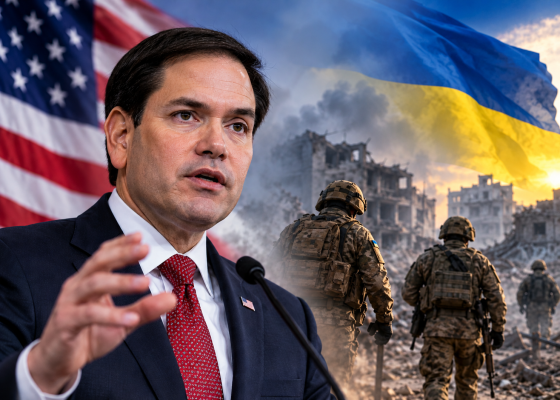
Marco Rubio Says Ukraine Might Not Exist Today Without US Assistance
US Secretary of State Marco Rubio has defended billions of dollars in American assistance to Ukraine, saying US support was critical to the country’s survival as a sovereign nation while praising Ukrainian fighters for their extraordinary bravery.
 OCT 22, 2026
India Crosses the 62-Medal Mark: Golden Haul and Podiums Sweep on Day 3 of the Asian Para Games 2026
India enjoyed a spectacular Day 3 at the Asian Para Games 2026, winning 14 gold medals and reaching 62 medals overall. Praveen Kumar set an Asian Para Games record in high jump, while Indian athletes dominated the shot put and sprint events.
 OCT 22, 2026
Mukesh Ambani Showcases Reliance’s Energy and Digital Vision to Marco Rubio
US Secretary of State Marco Rubio and Ambassador Sergio Gor visited Reliance Industries’ Jamnagar complex, where Mukesh Ambani and Anant Ambani showcased its refinery, New Energy giga-factories and digital infrastructure projects.
 OCT 21, 2026
Piyush Goyal Meets Former Chile President Eduardo Frei
Union Minister Piyush Goyal met former Chilean President Eduardo Frei and CAF delegates to explore new opportunities for India-Chile trade, investment and business collaboration.