

Everyday Habits That Disrupt Your Circadian Rhythm, According to Mumbai Surgeon Dr. Manan Vora
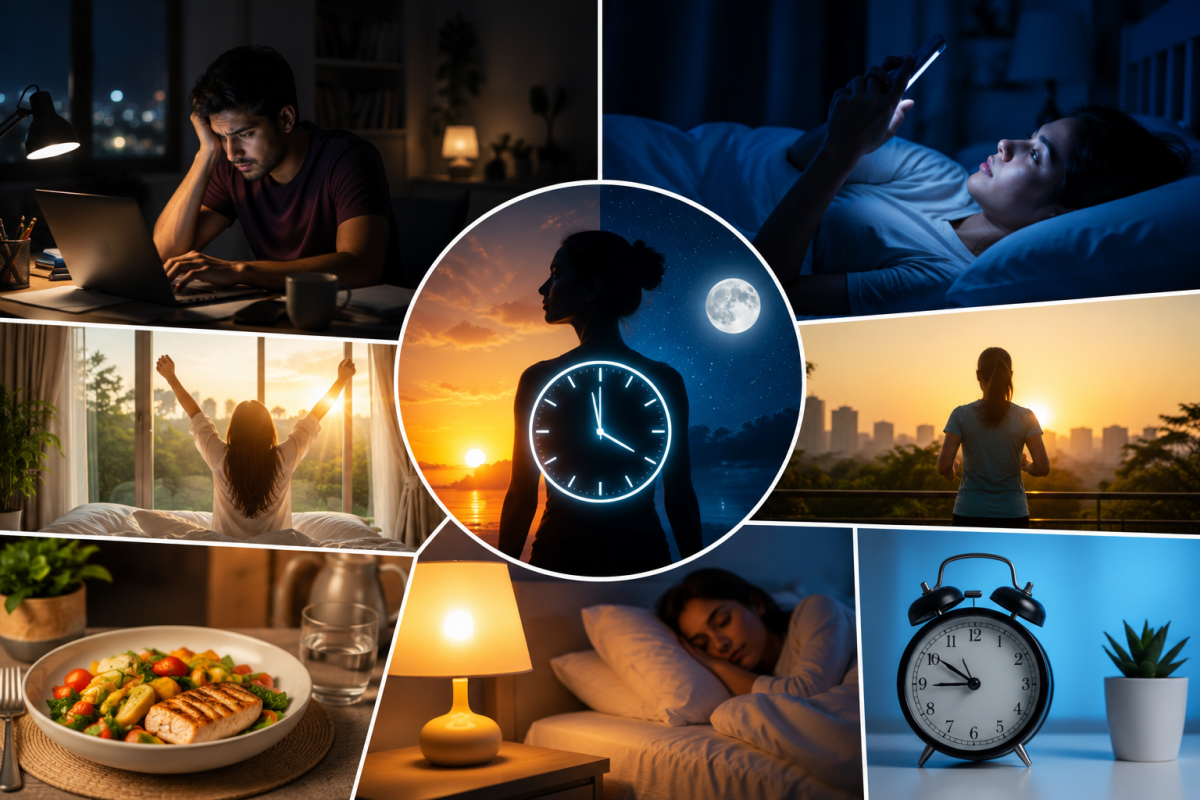
In today's fast-paced lifestyle, staying up late to finish work, binge-watch your favorite shows, or scrolling through your phone before bed has become increasingly common. While these habits may seem harmless, they can quietly disrupt your circadian rhythm—your body's internal biological clock.
An irregular sleep schedule doesn't just affect how rested you feel. It can influence your hormones, digestion, metabolism, mood, immunity, and overall health.
According to Dr. Manan Vora, a Mumbai-based orthopaedic surgeon, health educator, and co-founder of NutriByte Wellness, maintaining a consistent daily routine is one of the most effective ways to improve sleep quality and support long-term health.
What Is Circadian Rhythm?
The circadian rhythm is your body's natural 24-hour internal clock that regulates essential biological functions. It responds primarily to light and darkness, helping your body know when to wake up, eat, release hormones, and go to sleep.
According to Dr. Vora, your circadian rhythm controls:
- Sleep and wake cycles
- Hormone production
- Digestion
- Body temperature
- Hunger signals
- Metabolism
- Energy levels
- Cognitive performance
When this natural rhythm is disrupted repeatedly, your body struggles to function efficiently.
Daily Habits That Quietly Disrupt Your Circadian Rhythm
Many people unknowingly damage their internal clock through everyday lifestyle choices.
1. Sleeping and Waking at Different Times
Going to bed late one night and sleeping in the next day confuses your body's natural schedule. Inconsistent sleep patterns make it harder to fall asleep and wake up feeling refreshed.
2. Skipping Morning Sunlight
Natural sunlight shortly after waking helps reset your biological clock. Missing this daily exposure can delay your sleep cycle and reduce daytime alertness.
3. Eating Dinner Late at Night
Late-night meals force your digestive system to work when your body is preparing for rest. This can interfere with metabolism, digestion, and sleep quality.
4. Excessive Screen Time Before Bed
Blue light from smartphones, tablets, and televisions suppresses melatonin—the hormone responsible for promoting sleep—making it harder to fall asleep naturally.
5. Relying Only on Melatonin Supplements
Dr. Vora emphasizes that melatonin tablets are not a substitute for healthy sleep habits. Your body benefits far more from consistency than occasional supplements.
Why Circadian Rhythm Matters
A healthy circadian rhythm supports nearly every major function in your body. Disruptions can lead to:
- Poor sleep quality
- Daytime fatigue
- Reduced concentration
- Mood swings
- Digestive issues
- Hormonal imbalance
- Increased stress
- Lower immunity
- Higher risk of metabolic disorders
Maintaining a consistent routine helps your body function more efficiently and improves overall well-being.
Expert Tips to Protect Your Circadian Rhythm
Dr. Manan Vora recommends adopting simple daily habits that support your body's natural clock:
Wake Up at the Same Time Every Day
Maintain a consistent wake-up time—even on weekends—to strengthen your body's internal rhythm.
Get Morning Sunlight
Spend 15–30 minutes outdoors within the first hour of waking. Natural light signals your brain to regulate hormones and improve alertness.
Eat Meals at Regular Times
Having breakfast, lunch, and dinner around the same time each day supports healthy digestion and metabolism.
Dim Lights Before Bed
Reduce bright lighting during the evening to encourage natural melatonin production and prepare your body for sleep.
Avoid Phones Before Sleeping
Put away your smartphone and other digital devices at least one hour before bedtime to minimize blue light exposure and improve sleep quality.
Healthy Sleep Routine Checklist
✔ Wake up at the same time daily
✔ Get morning sunlight exposure
✔ Eat meals on a regular schedule
✔ Exercise regularly during the day
✔ Reduce caffeine late in the evening
✔ Dim lights before bedtime
✔ Avoid screens one hour before sleep
✔ Sleep for 7–9 hours every night
Final Thoughts
Your body doesn't expect perfection—it thrives on consistency. Small, everyday habits like staying up late, eating dinner at midnight, or skipping morning sunlight can gradually disrupt your circadian rhythm and affect your physical and mental health.
By following a regular sleep schedule, exposing yourself to natural morning light, eating meals on time, and limiting screen time before bed, you can restore your body's internal clock and enjoy better sleep, higher energy levels, and improved overall health.
Related News
 OCT 9, 2026
High-Protein Pulled Lamb Pasta Salad for a Balanced Meal
High-protein pulled lamb pasta salad by The Fitness Chef delivers 42g protein per serving with lamb, pasta, tzatziki, feta, herbs and vegetables.
 OCT 9, 2026
Healthy Soya Mushroom Biryani Recipe Packed With Protein
Healthy soya mushroom biryani by Vanshika Khurana offers a protein- and fibre-rich vegetarian meal made with brown basmati rice, soya chunks and mushrooms.
 OCT 7, 2026
High Heart Rate After a Workout: Cardiologist Explains
A high heart rate after exercise is usually normal as the body gradually returns to its resting state. A cardiologist explains when it is expected and when symptoms may require medical attention.
 OCT 7, 2026
Russia’s Pneumonic Plague Scare: What India Needs to Know
A suspected case of pneumonic plague involving a laboratory worker in Russia has raised public health concerns. Experts explain how the disease spreads, its symptoms, treatment and the current risk to India.