

Global Leaders Condemn Iran Over Strait of Hormuz Crisis, Urge Immediate Ceasefire and Protection of Maritime Trade
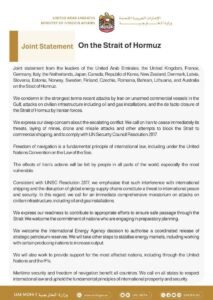 The statement—endorsed by countries including the United Kingdom, France, Germany, Italy, Japan, Canada, South Korea, Australia, and several European and Gulf nations—denounced recent attacks attributed to Iran on unarmed commercial vessels and civilian energy infrastructure in the Gulf.
The signatories condemned in the “strongest terms” Iran’s alleged actions, including missile and drone attacks, laying of naval mines, and attempts to disrupt commercial shipping routes. The statement urged Iran to immediately halt such activities and comply with international obligations, particularly United Nations Security Council Resolution 2817.
They emphasized that freedom of navigation is a cornerstone of international law, as enshrined in the United Nations Convention on the Law of the Sea, warning that any disruption in the Strait of Hormuz could have severe global consequences.
The coalition expressed deep concern over the widening conflict, noting that the impact of disruptions in the Strait of Hormuz would be felt worldwide—especially among vulnerable populations due to its critical role in global energy supply chains.
The statement highlighted that interference with international shipping and energy transport poses a direct threat to international peace and security.
In response to the crisis, the coalition welcomed the International Energy Agency’s (IEA) decision to authorize a coordinated release of strategic petroleum reserves to stabilize global energy markets. Additional measures are expected, including efforts to increase oil production from key producing nations.
The countries also expressed readiness to support initiatives aimed at ensuring safe maritime passage through the Strait, signaling potential coordinated naval or diplomatic efforts in the coming days.
This joint statement marks a significant diplomatic escalation, reflecting rising international alarm over the situation in one of the world’s most critical maritime chokepoints.
The statement—endorsed by countries including the United Kingdom, France, Germany, Italy, Japan, Canada, South Korea, Australia, and several European and Gulf nations—denounced recent attacks attributed to Iran on unarmed commercial vessels and civilian energy infrastructure in the Gulf.
The signatories condemned in the “strongest terms” Iran’s alleged actions, including missile and drone attacks, laying of naval mines, and attempts to disrupt commercial shipping routes. The statement urged Iran to immediately halt such activities and comply with international obligations, particularly United Nations Security Council Resolution 2817.
They emphasized that freedom of navigation is a cornerstone of international law, as enshrined in the United Nations Convention on the Law of the Sea, warning that any disruption in the Strait of Hormuz could have severe global consequences.
The coalition expressed deep concern over the widening conflict, noting that the impact of disruptions in the Strait of Hormuz would be felt worldwide—especially among vulnerable populations due to its critical role in global energy supply chains.
The statement highlighted that interference with international shipping and energy transport poses a direct threat to international peace and security.
In response to the crisis, the coalition welcomed the International Energy Agency’s (IEA) decision to authorize a coordinated release of strategic petroleum reserves to stabilize global energy markets. Additional measures are expected, including efforts to increase oil production from key producing nations.
The countries also expressed readiness to support initiatives aimed at ensuring safe maritime passage through the Strait, signaling potential coordinated naval or diplomatic efforts in the coming days.
This joint statement marks a significant diplomatic escalation, reflecting rising international alarm over the situation in one of the world’s most critical maritime chokepoints. Related News
 OCT 11, 2026
Rahul Gandhi Reiterates Fight Against Modi, Calls on Students to Stay Fearless
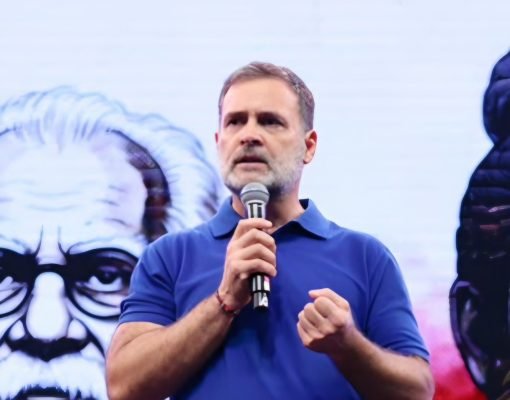
Rahul Gandhi has assured students in Delhi of his support, urging them to keep asking questions while accusing Narendra Modi and other senior figures of undermining Indian democracy and electoral integrity.
 OCT 11, 2026
Suvendu Adhikari Leads Mahalaya Celebrations in Kolkata
West Bengal Chief Minister Suvendu Adhikari joined the colourful Mahalaya procession on Kolkata’s Red Road before presiding over the grand commencement of Durga Puja 2026 at Eden Gardens, featuring 3,000 dhakis, cultural performances and a spectacular drone show.
 OCT 11, 2026
Trump Says Zelenskyy Could Have Ended Ukraine War Several Times
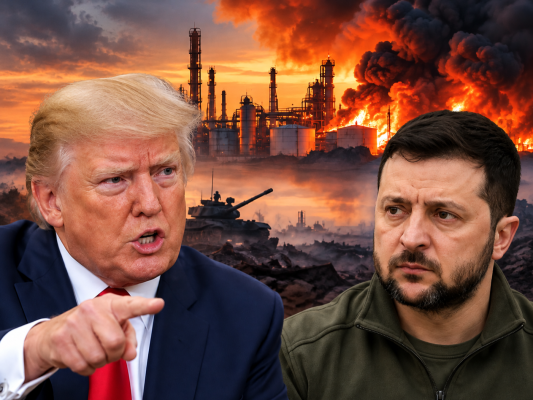
US President Donald Trump has accused Volodymyr Zelenskyy of missing opportunities to end the Ukraine war and warned against attacks on refineries and diesel fuel infrastructure.
 OCT 10, 2026
Mithun Chakraborty Says ‘Fear-Free Bengal Has Truly Arrived’
West Bengal government cultural advisor Mithun Chakraborty said the large festive turnout in Kolkata showed that a “fear-free Bengal” had arrived.
Comments (0)