President Droupadi Murmu Pays Floral Tribute to Dr APJ Abdul Kalam on Birth Anniversary
|
MUMBAI POLICE ASK ACTOR IMRAN KHAN TO LEAVE INDIA
|
PM Modi Meets Canadian FM Anita Anand to Strengthen India-Canada Ties
|
Jaishankar Begins Three-Day UAE Visit to Strengthen Bilateral Ties
|
Jaishankar Meets Georgian FM in UAE, Discusses Trade, Tourism and Connectivity
|
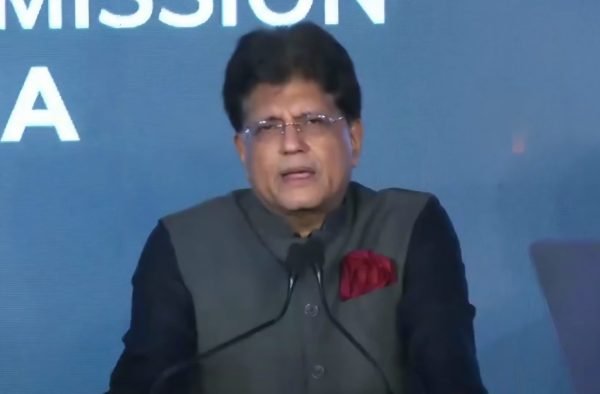
Piyush Goyal Highlights India-Canada Trade Opportunities
|
Dinesh Arya Rajya Sabha Nomination Filed, Uttarakhand CM Pushkar Singh Dhami Hails BJP Candidate
|
Rahul Gandhi and Mallikarjun Kharge Lead INDIA Bloc Protest March to ECI
|
Sukanta Majumdar on CJP Protest at Jantar Mantar
|
Asian Games 2026 Cricket Gold: India Beat Pakistan by 19 Runs to Retain Men’s Title
|
UP Scholarship Fee Reimbursement – Yogi Adityanath Launches Direct Transfer
|
Asian Games 2026 Women’s Team Golf Silver: Aditi Ashok, Pranavi Urs and Diksha Dagar Make History
|
Captain Smit Machchhar: Heroic Courage That Saved Hundreds
|
Asian Games 2026 Harita Bhadra 200m Bronze: India Wins After 8 Years
|
Nitin Nabin West Bengal Visit: Dilip Ghosh on BJP Organisation
|
Asian Games 2026 Kurash Bharti Exits After Round of 16 Defeat
|
Sawan Barwal Asian Games 2026 Silver Medal: Historic Marathon Triumph for India
|
Asian Games 2026 Men’s 50m Rifle 3 Positions Silver Medal
|
Asian Games 2026 Shooting Gold: Kamaljeet and Suruchi Inder Singh Make History
|
India Team Skeet Shooting Bronze: Indian Team Adds Another Medal at Asian Games 2026
|
Tanvi Khanna Asian Games 2026: Indian Squash Star Reaches Quarterfinals
|
Bengal Industrialisation Investment: 33 Industrial Units Get Land Allocation
|
Suvendu Adhikari Eco Park Banned Cough Syrup Destruction 2026
|
Mirabai Chanu Silver Medal at Asian Games 2026: Weightlifter Realises Long-Awaited Dream
|
Roshibina Devi Wushu Final: India Reaches Gold Medal Bout at Asian Games
|
Maharashtra Drought Situation: Fadnavis Reviews Crisis, Announces Relief Measures
|
India Women Cricket Team Asian Games 2026 Gold Medal: India Make History
|
Uttarakhand Government School Students Tablets: CM Dhami Announces Distribution Plan
|
Asian Games 2026: Big Shooting Setback for India, Badminton Team Knocked Out
|
Asian Games 2026 Shooting delivers double podium for India
|
Dilip Ghosh backs PM Modi, targets Rahul Gandhi over Chhatron Ki Goonj event
|
India Medal Winners Day 1: Two Silver Medals in Shooting at Asian Games 2026
|
Sohini Sarkar and Shovan Ganguly Baby: Tollywood Couple Welcomes Son
|
Subhashree’s Facebook Post Sparks Controversy
|
Asian Games 2026: India Lose to Iran in Men’s TT, Women Beat Singapore
|
Asian Games 2026 Badminton Women’s Team Reach Quarterfinals After 3-0 Win
|
Asian Games 2026 Hockey: India Thrash Indonesia 13-1 in Opening Match
|
India Women Table Tennis Team Trail Singapore 2-1 in Group F
|
20th Asian Games: Japan Wins First Gold Medal as China’s 13-Year-Old Swimmer Shines
|
India Women’s Hockey Team Asian Games 2026: India Thrash Uzbekistan 19-0
|
Suchika Tariyal Assures India of First Asian Games Medal
|
India Women 10m Air Rifle Silver Medal: Sonam Maskar, Elavenil Valarivan Enter Final
|
Dilip Ghosh By-Election: BJP Leader Says Polls Will Be Peaceful, Takes Aim at Opposition
|
Deepika Padukone Welcomes Second Daughter With Ranveer Singh
|
Asian Games 2026 Opening Ceremony: Manu Bhaker and Pawan Sehrawat Lead Team India
|
iGOT Karmayogi: 1.7 Crore Employees Onboard, Says PM Modi
|
Zubeen Garg First Death Anniversary: Himanta Biswa Sarma Pays Tribute, Donates Blood in Assam
|
Pawan Sehrawat and Manu Bhaker to Lead Out Indian Contingent
|
Mohan Yadav Scooty Scheme: 7,500 Students Get Scooters
|
Shyama Prasad Mukherjee Car Rally Flagged Off in Bihar
|
India Sends 11 Tonnes of Relief Material to Nepal, Jaishankar Says
|
India Climate Solutions: PM Modi Highlights Action at NGT Conference
|
J&K Bank Assistive Devices Reach People With Disabilities in Rajouri
|
Dilip Ghosh on Abhishek Banerjee: ‘Mamata’s Mind-Child’ Remark Sparks Political Debate
|
India in Regular Touch With Russian Embassy Over Crew of Detained Unity Tanker
|
Nirmala Sitharaman Gen Z Gen Alpha: Youth Urged to Lead and Serve the Nation
|
Sanjay Raut Disha Salian Case: Raut Says No Objection to Impartial CBI Probe
|
Rahul Gandhi UPI Fee: Congress Leader Questions Reported UPI Charge
|
BRICS Summit Opposition Reaction: Fadnavis Defends India’s Diplomatic Success
|
Cuba Foreign Minister Bruno Rodríguez Parrilla Departs Delhi After BRICS Summit 2026
|
Ram Gopal Yadav on BRICS Summit 2026: SP MP Questions Impact of Summit
|
Good Policy Multiplier of Development and Good Governance
|
Nirmala Sitharaman Meets Iran Finance Minister to Discuss Economic Cooperation
|
BRICS Chairship: PM Modi Highlights India's Resilience and Innovation
|
BRICS Summit 2026: PM Modi Arrives at Bharat Mandapam on Day 2
|
BRICS Summit 2026: PM Modi to Hold Bilateral Meetings with Five Presidents
|
Viksit Bharat 2047 Ganesh Idol Installed in Hyderabad
|
BRICS 20 Years: India Releases Commemorative Postage Stamps at 18th BRICS Summit
|
India China Relations: PM Modi Welcomes Xi Jinping in New Delhi for BRICS Summit
|
WTO Reform: India Discusses Multilateral Trade System with WTO Chief
|
BRICS Summit 2026: PM Modi Welcomes Ethiopia PM Abiy Ahmed at Bharat Mandapam
|
BRICS Summit 2026: Xi Jinping Arrives in Delhi for High-Level Meet
|
BRICS Summit 2026: PM Narendra Modi Meets Abu Dhabi Crown Prince
|
18th BRICS Summit Begins Today in New Delhi
|
BRICS Summit 2026: Ayanda Holo Highlights Stronger India-South Africa Cooperation
|
West Bengal Assembly By-Elections: Congress Announces Candidates for Rejinagar and Nandigram
|
West Bengal Assembly By-Elections: Congress Announces Candidates for Rejinagar and Nandigram
|
18th BRICS Summit: Abu Dhabi Crown Prince Sheikh Khaled Arrives in New Delhi
|
BRICS Business Forum 2026: India Calls for Open Markets and Stronger Supply Chains
|
India Russia Economic Cooperation: Sitharaman Meets Russian First Deputy PM Manturov
|
EAM Jaishankar at BRICS Business Forum: India Offers Large, Growing Market
|
PM Modi Global Welfare Message as World Leaders Gather
|
BRICS Summit 2026: Piyush Goyal Highlights Importance of Economic Diplomacy
|
Kaushiki Amavasya Tarapith 2026: Special Arrangements for Devotees
|
SIR 2026 BLO Honorarium: EC Allocates ₹38.87 Crore in West Bengal
|
BRICS Summit 2026: India to Host Global Leaders in Delhi
|
Ashish Sood PG Students Interaction Across Delhi
|
Putin India Visit: Russian President to Travel to India
|
India Bullet Train Set for Testing by May-June Next Year
|
Dr Bhupen Hazarika Birth Anniversary: Remembering a Musical Legend
|
Adani Writers’ Building Restoration: Adani Group Eyes Kolkata Heritage Landmark
|
West Bengal Pension Increase: Monthly Allowance Raised to ₹1,500
|
Hanuman Ansh Box Office: Film Eyes ₹100 Crore Milestone
|
Dinesh Sharma Andaman Governor: BJP MP Appointed Lt Governor
|
RG Kar Incident: Dilip Ghosh Says Family Still Awaits Justice
|
SCO Summit 2026: Modi, Xi Jinping, Putin and Other World Leaders Meet in Bishkek
|
Piyush Goyal Meets Toyota Tsusho CEO to Boost India Engagement
|
J&K Lieutenant Governor Manoj Sinha Meets PM Modi
|
Union Commerce and Industry Minister Piyush Goyal interacted with industry leaders, founders, and CEOs during the 15th edition of FICCI Massmerize. The minister engaged with prominent voices from the FMCG, retail, and consumer sectors, discussing key industry priorities and growth opportunities. He encouraged businesses to embrace innovation, strengthen export capabilities, support local enterprises, and compete confidently in global markets, reaffirming the government's commitment to fostering
|
Goa CM Pramod Sawant Calls on Amit Shah in New Delhi
|
Cricket: Ruturaj Gaikwad’s century helps India A beat Sri Lanka A by 8 runs in tri-series opener in Dambulla.
|
China's Xi Jinping starts a two-day trip to North Korea, pledging closer ties with Kim Jong Un in his first Pyongyang visit since 2019.
|
Ashwini Vaishnaw Promises New Era for Kolkata Metro with 60 Modern Trains
|


 OCT 15, 2026
 OCT 15, 2026
 OCT 15, 2026
 OCT 15, 2026
Comments (0)