

Planning a Northern Lights Trip? 5 Tips to See the Aurora Borealis
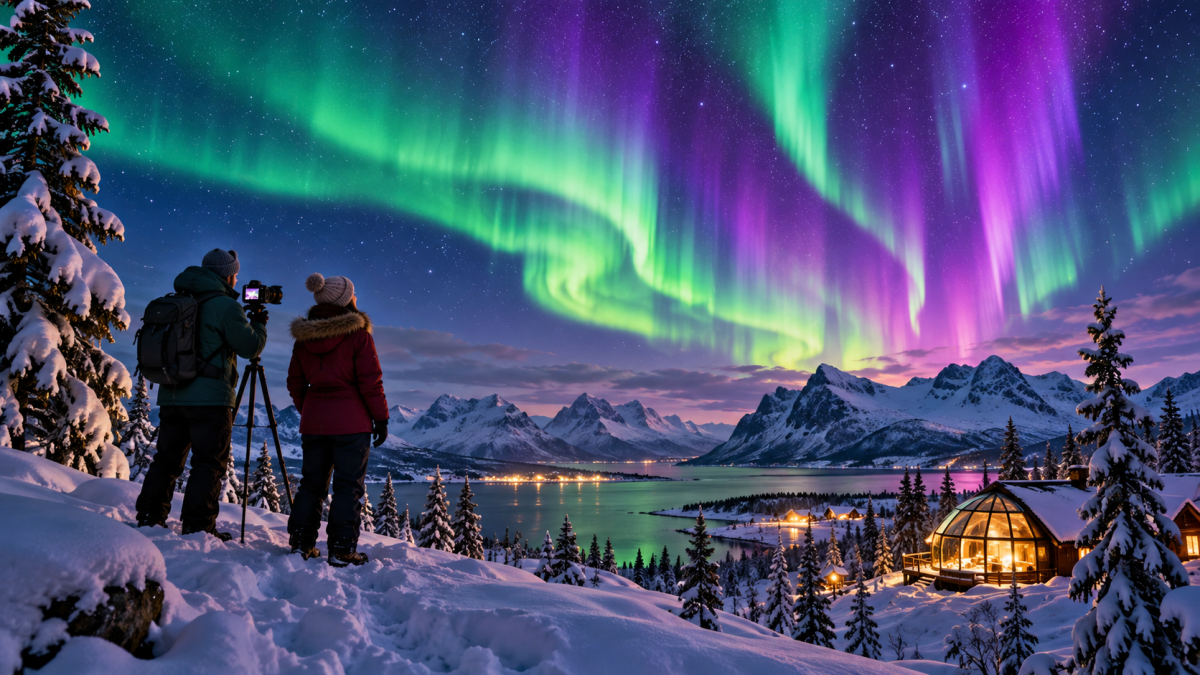
Seeing the Northern Lights, or Aurora Borealis, in person is a bucket-list experience for many travellers. The spectacular display of colours across the night sky occurs when charged particles from the Sun interact with gases in Earth's atmosphere, particularly near the polar regions.
For travellers heading to Scandinavia in search of the aurora, however, reaching the right destination does not guarantee a sighting. Cloud cover, weather conditions, solar activity and timing can all affect whether the lights appear.
Missing the Northern Lights after travelling thousands of kilometres can be disappointing. But a carefully planned itinerary can give travellers multiple opportunities to experience the phenomenon.
Hari Ganapathy, CEO and co-founder of Pickyourtrail, highlighted the importance of flexibility when planning an aurora-focused holiday.
“The Northern Lights are one of those experiences that cannot be planned like a museum visit or a landmark stop. Cloud cover, weather conditions, solar activity, and timing can all work against you,” Ganapathy said.
Why planning matters for a Northern Lights trip
The Northern Lights are a natural phenomenon and therefore cannot be guaranteed on a particular night. Travellers may have to adjust their plans depending on cloud cover, weather and auroral activity.
According to Ganapathy, travellers returning for a second attempt can improve their chances by allowing more flexibility, increasing the number of viewing opportunities and creating a smarter itinerary.
Booking trends also indicate growing interest in aurora holidays. According to Pickyourtrail data, Northern Lights bookings and searches have increased by 50–55% year-on-year, while bookings to Northern Lights destinations have grown by 70–75% year-on-year.
The company said 80–90% of travellers book at least three nights for Northern Lights holidays, while the average duration of these trips has increased by around 10–12%.
5 smart itinerary tips for seeing the Northern Lights
1. Stay for more than one night
If seeing the Northern Lights is the main purpose of your trip, avoid planning around just one evening.
A longer stay gives you more opportunities to work around cloudy weather, changing conditions and variations in auroral activity. Adding an extra night or two can also allow you to explore different viewing locations.
Multiple nights can make the experience less stressful because you are not depending entirely on one specific evening.
2. Choose a destination based on flexibility
Iceland may be one of the most popular destinations associated with the Northern Lights, but it is far from the only option.
Travellers can consider destinations such as:
- Finnish Lapland
- Tromsø and northern Norway
- Swedish Lapland
- Northern Canada
For an aurora-focused trip, travellers should consider factors such as local weather, accessibility, transportation and the number of potential viewing locations, rather than choosing a destination solely because it is popular.
3. Pick the right season
Booking data from Pickyourtrail suggests that September to December is a particularly popular period for Northern Lights trips, with November and December emerging as peak months.
However, choosing the right season is not simply about finding the darkest possible nights. Travellers should also consider weather conditions, daylight hours, temperatures and other activities available at the destination.
Deep winter can offer snow-covered landscapes and classic Arctic experiences, while the shoulder months can provide a different balance between daylight, temperatures and outdoor activities.
4. Stay mobile when conditions are poor
If clouds are blocking the sky, staying in one location may reduce your chances of seeing the aurora.
Guided aurora-chasing tours can take travellers away from areas with poor visibility and towards locations with clearer skies. Cloud cover can vary even across relatively short distances.
Travellers can also plan alternative activities, such as icebreaker cruises, Korouma Canyon visits and trips to Santa Claus Village, rather than spending the entire evening waiting for the lights.
5. Use aurora and weather forecasts
Aurora forecasts can help travellers monitor solar activity, cloud cover and viewing conditions.
Checking forecasts before heading out can help determine when and where the chances of seeing the Northern Lights may be better. Local guides can also provide valuable information about viewing locations as weather conditions change.
Where are travellers going to see the Northern Lights?
Pickyourtrail's booking data shows interest across several popular aurora destinations. Its data lists Finland at 34%, Tromsø in Norway at 26%, Reykjavik in Iceland at 18%, Murmansk in Russia at 14% and Abisko in Sweden at 8%.
Rovaniemi was also reported to have recorded the strongest growth among travellers on the platform.
For travellers planning their first or second Northern Lights trip, the key is to build an itinerary that allows room for weather changes, multiple viewing opportunities and alternative activities.
After all, the Aurora Borealis is a natural spectacle—not a scheduled attraction. A flexible plan can make the difference between spending one night hoping for clear skies and giving yourself several genuine opportunities to witness the lights.
Related News
 OCT 15, 2026
Emirates A380 Returns to Delhi on October 25
Civil Aviation Minister Ram Mohan Naidu has announced that Emirates’ iconic A380 Superjumbo will return to Delhi from October 25, offering greater passenger comfort and cargo capacity on the Delhi–Dubai route.
 OCT 12, 2026
9 Must-Visit Devi Temples in India for Every Devotee
From the sacred cave of Mata Vaishno Devi to the magnificent Meenakshi Amman Temple, discover nine revered Devi temples in India that showcase the country's spiritual heritage, ancient traditions and diverse forms of Goddess worship.
 OCT 10, 2026
5-Day South Sri Lanka Itinerary: Beaches, Surfing, Sunsets and Nightlife
Planning a beach getaway to South Sri Lanka? Explore this 5-day itinerary featuring Galle Fort, Weligama surfing, Mirissa beach cafes, Koggala sunsets, Hiriketiya Beach and lively coastal nightlife, plus practical tips on transport, food and packing.
 OCT 8, 2026
Air India Travel SIM to Offer International Roaming Services
Air India Travel SIM will allow passengers to access voice and data services during overseas trips, with the airline launching the EasyRoam travel SIM in partnership with Tata Communications.