

Prithviraj Chavan Seeks Legal Action Over Election Commission Report
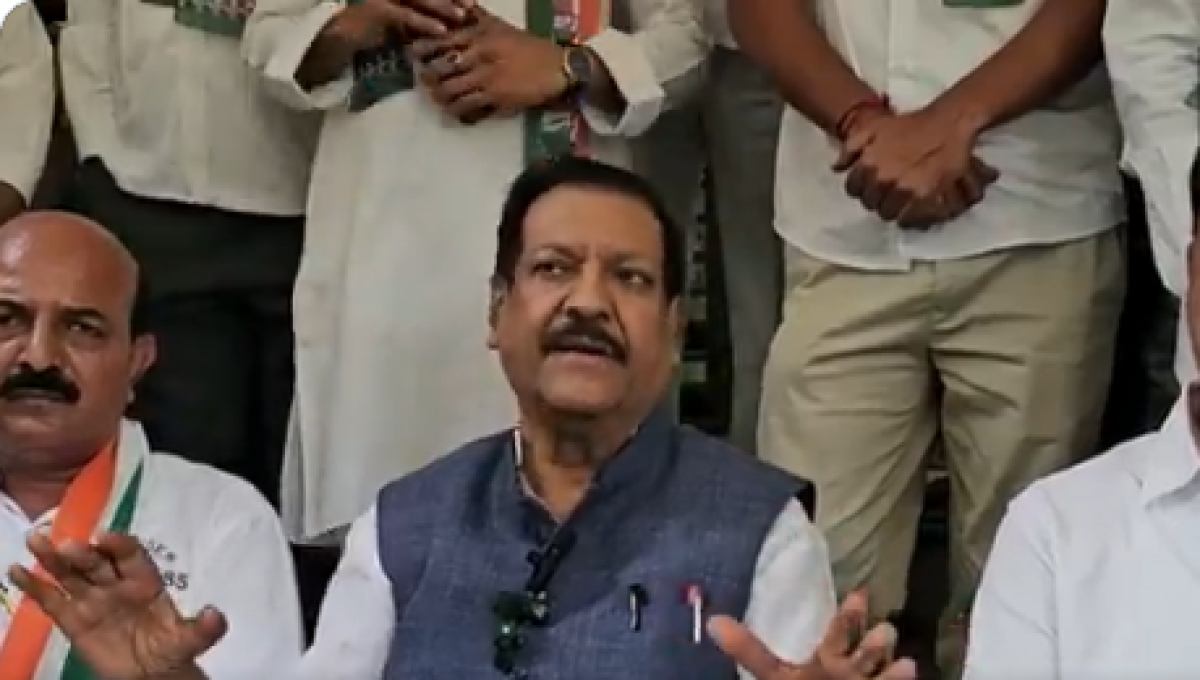
Anand, Gujarat: Senior Congress leader Prithviraj Chavan has called for legal action over a report concerning the Election Commission published on September 25, arguing that the issue should be examined through appropriate legal proceedings. He referred to Articles 32 and 142 of the Indian Constitution while explaining his demand for greater transparency.
Chavan said legal proceedings could be initiated on the basis of reports published in newspapers and urged that the report in question be considered for further action.
Chavan Cites Constitutional Provisions
Referring to Articles 32 and 142, Chavan said the Constitution provides mechanisms through which serious public issues can be brought before the Supreme Court.
He noted that courts can take up matters of public importance through appropriate legal procedures, including public interest litigation (PIL) and writ petitions.
Based on this argument, the Congress leader said his side had sought legal action in connection with the September 25 report concerning the Election Commission.
Congress Leader Expresses Dissatisfaction With Supreme Court Outcome
Chavan said he believed the Supreme Court had not delivered justice on the issue raised by his side.
He reiterated that the demand was for transparency in the functioning of the Election Commission and for its processes to operate in accordance with constitutional principles.
His remarks reflect the Congress leader's position on the matter and his call for further legal scrutiny.
Call for Transparency in Election Commission's Functioning
Invoking the vision of Dr Babasaheb Ambedkar and the principles of the Constitution, Chavan called for transparent institutional functioning.
He said the objective was to ensure that public institutions operate openly and in accordance with constitutional expectations.
The demand places the Election Commission's transparency and the scope for judicial scrutiny at the centre of the political debate. Any further legal action would depend on the relevant proceedings and decisions by the competent court.
Related News
 OCT 28, 2026
Pushkar Singh Dhami Announces Rs 231 Crore Projects in Gairsain
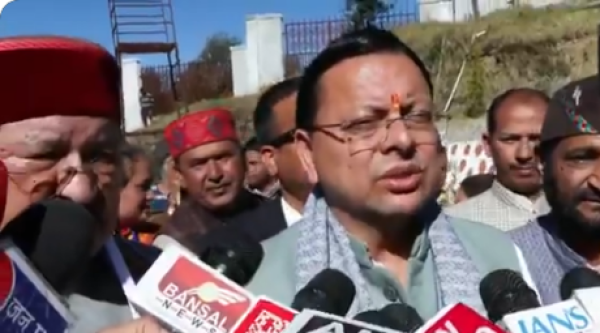
Gairsain, Uttarakhand: Uttarakhand Chief Minister Pushkar Singh Dhami has announced development initiatives worth Rs 231 crore in the district, with a special focus on the Prayag Assembly constituency. The projects were inaugurated or had their foundation stones laid, with the government expecting them to improve convenience for residents across the region, including surrounding rural areas.
 OCT 28, 2026
Cyclone Arnab: NDRF Details Evacuation and Safety Preparations
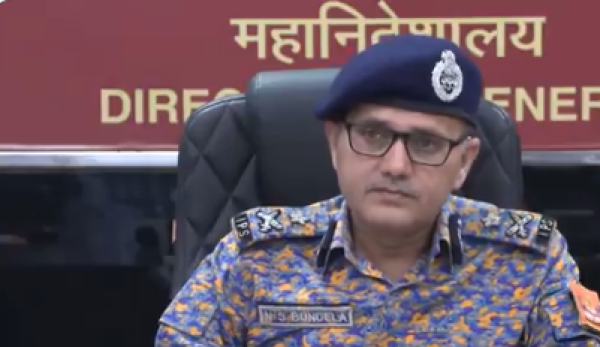
Delhi: The National Disaster Response Force (NDRF) has outlined precautionary safety measures in preparation for cyclone Arnab, with a focus on evacuating vulnerable residents and strengthening local-level awareness. NDRF Inspector General Narendra Singh Bundela said the Indian Air Force had airlifted four NDRF teams the previous day to support preparedness efforts.
 OCT 28, 2026
Tejashwi Yadav Questions EC Transparency After RJD Wins Seats
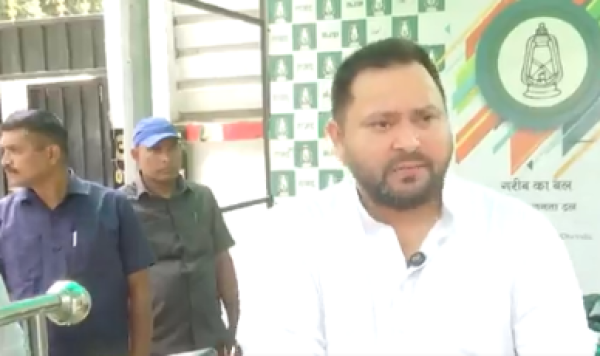
Rashtriya Janata Dal (RJD) leader and Bihar Leader of Opposition Tejashwi Yadav has questioned the transparency of the Election Commission following his party's victories in teacher and graduate constituency elections. He also announced that the RJD would participate in an INDIA bloc march and rally against the commission on November 1.
 OCT 28, 2026
Jio Platforms Becomes India's Second Most Valuable Company After Strong IPO Debut
Jio Platforms Ltd surged 21.36% above its IPO issue price to ₹1,358 per share, reaching a market capitalisation of ₹12.50 lakh crore and becoming India's second most valuable company after Reliance Industries.