

Ashwini Vaishnaw Launches Semicon 2.0 Portal, Says Only ‘Serious Players’ Welcome
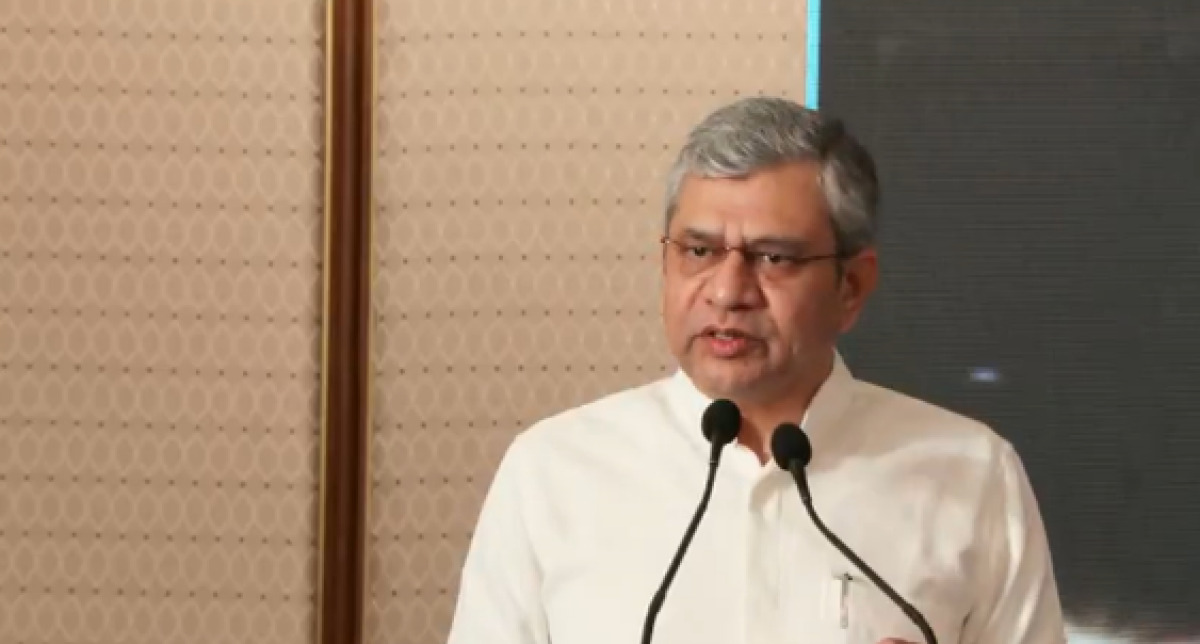
Union Electronics and Information Technology Minister Ashwini Vaishnaw on Friday launched the Semicon 2.0 Web Application Portal, opening applications under three key pillars of India’s semiconductor programme.
Vaishnaw said the platform has been deliberately designed so that incomplete applications cannot be submitted, arguing that the government wants only companies with serious technological capabilities and long-term commitment to participate.
The portal was launched in New Delhi on November 6, 2026.
Applications Open for Pillars 2, 3 and 4
Applications are now open under three areas of Semicon 2.0:
Pillar 2: Semiconductor machines and materials
Pillar 3: Setting up additional semiconductor fabrication plants
Pillar 4: Expansion of the ATMP and OSAT ecosystem
ATMP refers to assembly, testing, marking and packaging, while OSAT refers to outsourced semiconductor assembly and testing.
The government says these areas are intended to deepen India’s semiconductor manufacturing capabilities beyond chip design and basic electronics assembly.
‘Frivolous Application Makers, Please Stay Out’
Speaking at the launch of the Semicon 2.0 portal, Vaishnaw delivered a strong message to potential applicants.
He said:
“The frivolous application makers, please stay out. We do not want you.”
The minister said applicants should understand semiconductor technology, be committed to adding value within India and align with the government’s Atmanirbhar Bharat vision.
He stressed that the portal would accept only applications that are complete in all respects.
Portal Designed to Filter Incomplete Applications
Vaishnaw said the new system differed from previous government application platforms.
Instead of accepting submissions that are later found to be incomplete, the portal has been structured to stop an applicant from completing the submission process until all mandatory information has been provided.
According to the minister, the approach is intended to reduce placeholder or speculative applications and allow officials to focus on companies capable of executing major semiconductor projects.
Government Wants Major Equipment and Materials Companies
Semicon 2.0 places particular emphasis on equipment, materials, chemicals and gases needed for semiconductor manufacturing.
Vaishnaw said India would consider the programme successful if it attracts at least three major semiconductor equipment manufacturers and five chemicals and gases companies.
These industries form an essential part of the semiconductor supply chain because fabrication plants rely on highly specialised machinery and ultra-pure materials.
India Moving Beyond Electronics Assembly
Vaishnaw said India’s electronics manufacturing strategy had gradually evolved from assembling finished products toward manufacturing modules, components and materials domestically.
He pointed to growing Indian capabilities in areas such as:
Battery cells
Copper foils
Copper-clad laminates
High-end printed circuit boards
Semiconductor-related components and materials
The minister said government schemes were intended to create a deeper domestic manufacturing value chain rather than keep India dependent on imported components.
12 New ECMS Projects Also Approved
At the same event, the government announced 12 newly approved applicants under the Electronics Components Manufacturing Scheme.
The projects involve an estimated investment of about ₹7,503 crore, according to reporting from the launch event.
Vaishnaw also said around half of the units approved under the ECMS are SMEs or MSMEs, highlighting the role smaller domestic businesses are expected to play in India's electronics supply chain.
Government Signals Tougher Screening
The minister also called for non-serious projects already approved under the ECMS to be reviewed or removed.
He reportedly referred to around 18–19 projects that the government viewed as placeholders or insufficiently committed to their approved plans.
The remarks signal a tougher approach toward companies seeking financial incentives without demonstrating adequate execution capability.
Semicon 2.0 Targets Deeper Semiconductor Ecosystem
The government had earlier notified six pillars under Semicon 2.0, covering areas including manufacturing, semiconductor equipment and materials, packaging, research and development, design and talent development.
With applications now open for Pillars 2, 3 and 4, the Semicon 2.0 portal marks the next stage of India’s effort to build a domestic semiconductor ecosystem spanning fabrication, packaging, materials and manufacturing equipment.
Related News
 NOV 6, 2026
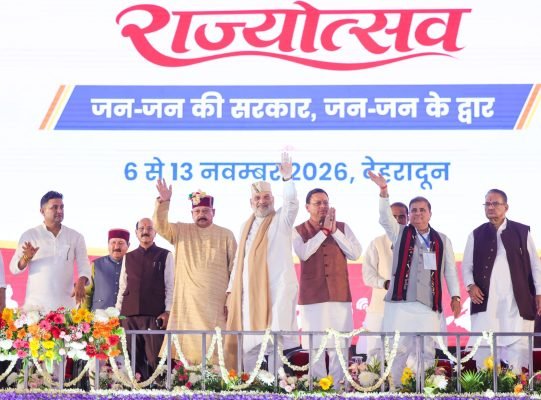
Amit Shah Highlights Uttarakhand Development Push at State Festival
Union Home Minister Amit Shah joined Chief Minister Pushkar Singh Dhami at Uttarakhand State Festival in Dehradun, launching major development projects and presenting state awards.
 NOV 6, 2026
RMSCE Concludes Maiden Maritime Security Course With Participants From 10 Countries
The Regional Maritime Security Centre of Excellence concluded its maiden short course with participants from 10 partner countries, focusing on maritime awareness, governance and cooperation.
 NOV 6, 2026
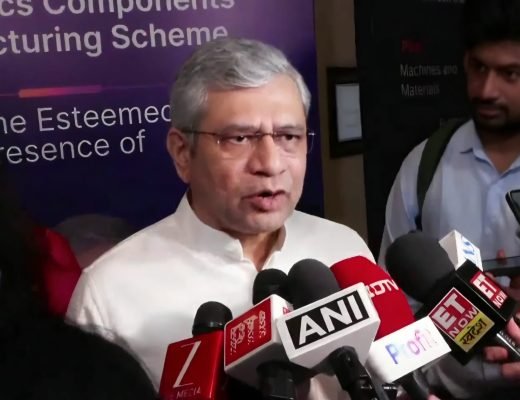
Ashwini Vaishnaw Announces 118 Electronics Manufacturing Units Across India
India is strengthening its electronics manufacturing ecosystem with 118 component manufacturing units under development. Ashwini Vaishnaw says the expansion will boost domestic production, exports, employment and self-reliance.
 NOV 6, 2026
Infantino Hails Ronaldo’s Legacy, Says Records May Never Be Matched
FIFA President Gianni Infantino has hailed Cristiano Ronaldo’s extraordinary contribution to football, saying his remarkable achievements may never be matched.
Comments (0)