

US Lifts Sanctions on Russian Diesel Until April 2027
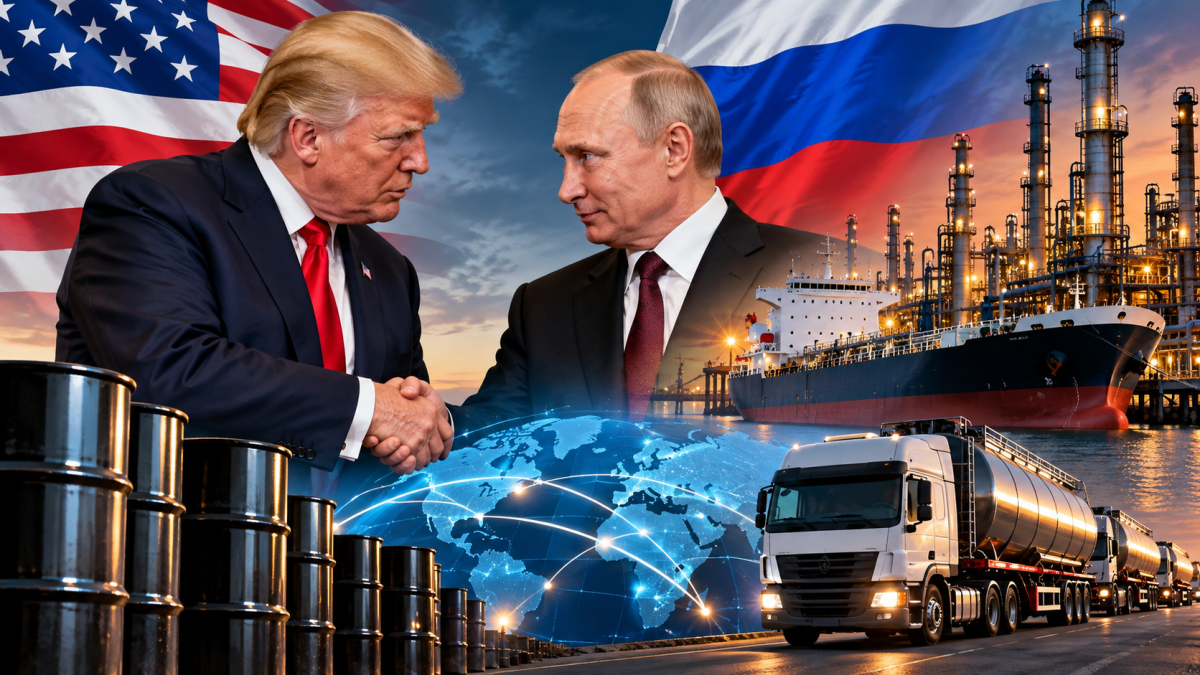
The US lifts sanctions on Russian diesel through April 7, 2027, allowing transactions related to the sale, delivery, offloading and import of Russian-origin diesel after President Donald Trump announced a fuel-supply agreement with Russian President Vladimir Putin. The move comes as diesel prices remain elevated amid tight global supplies.
The US Treasury Department authorised the transactions until 12:01 am Eastern Daylight Time on April 7, 2027, temporarily easing restrictions under sanctions imposed on Russia.
Trump Announces Russian Diesel Supply Deal
Trump said the agreement followed a conversation with Putin and would result in Russia supplying diesel to the United States and other global markets.
According to the US president, Russia will initially supply more than 300,000 metric tons of diesel.
He said another 500,000 tons would follow in November, with an additional 1 million tons expected thereafter.
Trump also said Russia could later supply another 3 million tons, depending on the operating condition and production capacity of Russian refineries.
Treasury Temporarily Eases Russian Fuel Restrictions
The decision means transactions previously prohibited under US sanctions regulations can now proceed when directly related to Russian-origin diesel.
The temporary authorisation covers the sale, delivery, offloading and importation of diesel, including imports into the United States.
The measure is intended to increase available supplies at a time when fuel markets have been under considerable pressure.
Global Diesel Supplies Remain Tight
The decision to ease restrictions comes amid disruptions to global diesel supply.
Russian refining capacity has been affected by Ukrainian attacks on energy infrastructure, while Moscow had previously restricted diesel exports amid domestic and international supply concerns.
Broader geopolitical tensions have also added pressure to global energy markets, with oil and refined fuel prices remaining elevated.
Trump Administration Moves to Reduce Diesel Prices
The US lifts sanctions on Russian diesel decision follows other measures taken by the Trump administration to address high fuel prices.
Earlier in October, Trump signed an executive order allowing broader highway use of tax-exempt dyed diesel and temporarily deferring certain federal diesel excise-tax obligations.
The administration has also been seeking additional fuel supplies and encouraging greater domestic energy production.
Diesel Prices a Political Issue Ahead of Midterms
High diesel prices have become an important economic issue in the United States ahead of the November congressional elections.
Diesel costs affect trucking, agriculture and transportation expenses, meaning sustained increases can feed into broader consumer prices.
The Russian diesel agreement is therefore part of a wider effort by the administration to increase supply and ease pressure on fuel prices.
Deal Draws International Criticism
The decision has also drawn criticism.
Ukrainian President Volodymyr Zelenskiy criticised the move, arguing that allowing Russia to increase petroleum-product sales could provide Moscow with additional financial resources while the war continues.
The Trump administration, however, has framed the agreement primarily as a measure aimed at increasing diesel supply and lowering costs.
With the US lifts sanctions on Russian diesel decision now in effect, attention will turn to whether the expected Russian shipments can significantly ease diesel prices in the United States and global markets.
Related News
 OCT 10, 2026
Mamata Banerjee Detention Sparks Strong Reaction From TMC
Mamata Banerjee detention during the Delhi protest triggered criticism from TMC MLA Kunal Ghosh, who demanded her immediate release and condemned the police action.
 OCT 10, 2026
BJP Mahila Morcha Ahmedabad Protest Targets Congress Over JNU Case
BJP Mahila Morcha Ahmedabad protest took place outside Rajiv Gandhi Bhavan in Paldi over sexual harassment allegations involving Congress MP Angomcha Bimol Akoijam.
 OCT 10, 2026
Ravi Shankar Prasad Attacks Rahul Gandhi Over President Remarks
Ravi Shankar Prasad Rahul Gandhi remarks accused the Congress leader of making incorrect claims about his meeting with President Droupadi Murmu.
 OCT 10, 2026
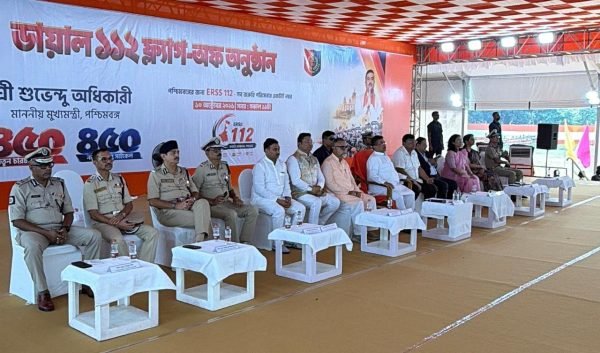
West Bengal Emergency Helpline 112 Launched With 900 Vehicles
West Bengal Emergency Helpline 112 has been rolled out with 900 dedicated ERSS vehicles across 450 police stations to provide faster emergency assistance.