

West Bengal Landslide Early Warning System to Be Strengthened in Hills
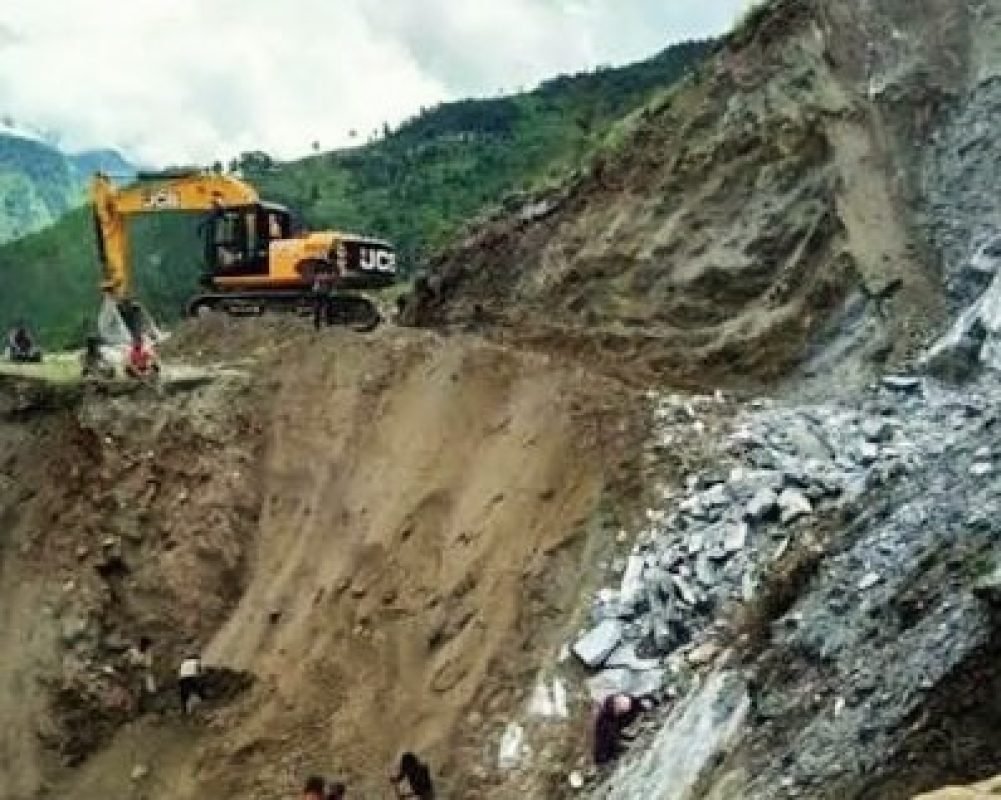
West Bengal Landslide Early Warning System is set to be strengthened as the state government plans to improve its mechanism for detecting and forecasting landslides in the hill regions. According to Nabanna sources, the initiative comes amid growing concerns over landslide risks and lessons from the devastating disaster in Nepal.
The West Bengal government has signed a Memorandum of Understanding (MoU) with the Geological Survey of India (GSI) as part of the proposed project. The initiative will focus on identifying landslide-prone locations and developing a more effective system capable of providing real-time warnings.
The hill districts of Darjeeling and Kalimpong, along with other vulnerable areas, are expected to receive particular attention under the plan.
West Bengal Plans Real-Time Landslide Forecasting
The proposed West Bengal Landslide Early Warning System will use multiple sources of information to assess the possibility of landslides.
Rainfall intensity, soil moisture and local weather conditions will be analysed to identify areas where the risk of a landslide may be increasing.
The objective is to move towards a system that can provide warnings before a landslide occurs, giving residents and visitors valuable time to respond.
GSI to Provide Technical Support
The Geological Survey of India will be involved in the initiative following the signing of the MoU, according to Nabanna sources.
Technical inputs from the GSI will support the state's efforts to identify vulnerable locations and improve landslide forecasting.
The initiative is intended to combine geological information with real-time weather and environmental data to strengthen the accuracy of risk assessments.
More Weather Stations Planned in Hills
A key component of the West Bengal Landslide Early Warning System will be increasing the number of weather stations across the hills.
These stations will collect information about local rainfall and weather conditions. The data will then be integrated directly into the proposed early warning mechanism.
Increasing the availability of localised weather information could help authorities assess conditions in individual areas more effectively.
Why Local Weather Data Matters
Weather conditions can vary significantly across mountainous terrain. Rainfall recorded at one location may not accurately reflect conditions just a few kilometres away.
By expanding the network of weather stations, the state intends to collect more location-specific information.
Rainfall data, soil moisture and other relevant conditions can then be assessed alongside historical landslide information to determine the level of risk.
Automated Mobile Alerts for Residents and Tourists
One of the most important features planned under the West Bengal Landslide Early Warning System is an automated mobile alert mechanism.
If a particular area is assessed as being at risk, an alert would be sent to mobile phones within a specified radius of the potential danger zone.
The warning is expected to identify the location of the potential risk and provide information about what people should do in response.
Alerts Could Reach People Several Kilometres Away
According to the proposed plan, mobile alerts could be sent to people located within a radius of several kilometres from a vulnerable area.
This approach is intended to ensure that warnings reach not only residents but also tourists who may be travelling through or staying in the hill regions.
Providing information directly to mobile phones could help authorities communicate quickly when conditions deteriorate.
Target of 15 to 30-Minute Warnings
The state government aims to provide warnings 15 to 30 minutes before a possible landslide, according to Nabanna sources.
Such advance notice could give people additional time to move away from potentially vulnerable locations and follow safety instructions.
The proposed warning time is an objective of the planned system and would depend on the accuracy of risk assessment and the availability of real-time data.
Protecting Residents and Tourists
The system will place special emphasis on reaching both local communities and tourists.
Darjeeling, Kalimpong and other hill areas attract large numbers of visitors, particularly during tourism seasons. Ensuring that visitors receive timely information could therefore be an important part of the warning strategy.
Related News
 OCT 17, 2026
Raj Babbar Remembers Smita Patil on Her Birth Anniversary
Raj Babbar paid an emotional tribute to Smita Patil on her birth anniversary, remembering her extraordinary acting talent, warmth and enduring legacy in Indian cinema
 OCT 17, 2026
Sandipon Garg bail granted in Zubeen case; release formalities pending
The Gauhati High Court granted bail to the suspended police officer on October 16. Release formalities remained pending, his lawyer said.
 OCT 17, 2026
Russian oil tariffs waived by Trump, easing threat to India and China
Trump waived duties and other measures under the Graham Act on national-interest grounds. Earlier sanctions on Russia remain unaffected.
 OCT 17, 2026
Canada’s Aerospace Exports to India Rise 300%
Canada’s aerospace exports to India rose 300% over the past year, according to Minister Maninder Sidhu. He highlighted the potential of an India-Canada CEPA to strengthen aerospace supply chains and expand industry collaboration.