

Kanaia Lal Agarwal Named PAC Chairman Amid Bengal Political Shift
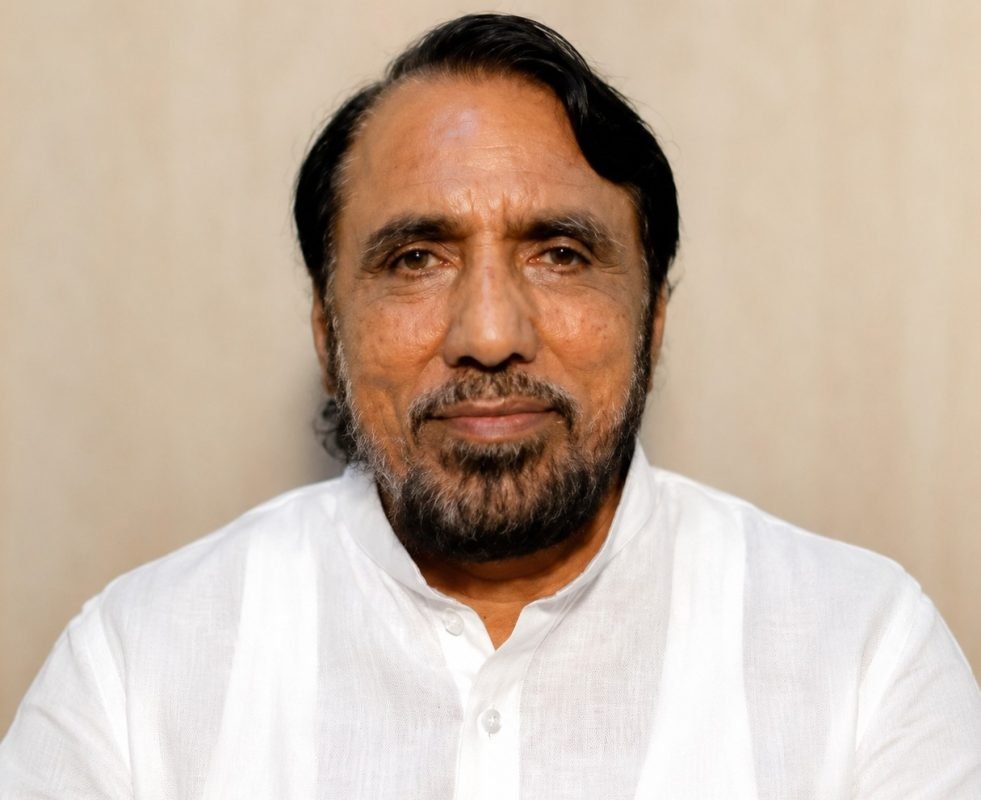
Kanaia Lal Agarwal, a Trinamool Congress (TMC) MLA, has been appointed Chairman of the Public Accounts Committee (PAC) of the West Bengal Assembly. The appointment has triggered a fresh political debate over the convention surrounding the PAC chairmanship and the precedent associated with former TMC leader Mukul Roy.
The development comes at a politically significant time in West Bengal, with shifting political alignments and continuing debate over the functioning of key legislative committees. The PAC is among the most important financial committees of the Assembly, as it examines public expenditure and scrutinises whether government spending has been carried out in accordance with established rules and procedures.
Kanaia Lal Agarwal Appointed PAC Chairman
The appointment of Kanaia Lal Agarwal to head the Public Accounts Committee has drawn attention because of the traditional parliamentary convention surrounding the post.
The PAC generally plays a crucial role in maintaining financial accountability. Its work involves examining government expenditure and considering reports of the Comptroller and Auditor General (CAG), thereby providing an important mechanism for legislative oversight.
The appointment has consequently become a subject of political discussion, particularly because of earlier instances in West Bengal when legislators whose political affiliations had changed continued to be officially recognised under their original party's Assembly status.
The ‘Mukul Roy Precedent’ Debate
The latest development has revived references to what political circles often describe as the “Mukul Roy precedent”.
During the previous political dispensation in West Bengal, Mukul Roy, who had moved from the BJP to the TMC, was appointed Chairman of the Public Accounts Committee despite remaining officially listed as a BJP MLA at the time.
A similar controversy later emerged around Suman Kanjilal, another legislator whose political alignment changed while questions remained over his formal status in the Assembly.
The current appointment of Kanaia Lal Agarwal has therefore prompted comparisons with those earlier developments.
However, the circumstances surrounding the present appointment and the earlier cases are not necessarily identical, and the political interpretation of the move varies between parties and observers.
Why the PAC Chairman’s Post Matters
The Public Accounts Committee is one of the most significant financial oversight bodies within a legislature.
Its primary purpose is to examine government expenditure and assess whether public money has been used appropriately. The committee can scrutinise expenditure in light of CAG reports and examine whether financial decisions complied with approved procedures.
Because of this role, the PAC is widely regarded as an important instrument of legislative accountability.
PAC and Opposition Convention
In many parliamentary systems, the PAC chairmanship is traditionally associated with the Opposition. The convention is intended to strengthen legislative scrutiny of government spending by giving the Opposition a prominent role in overseeing public finances.
However, parliamentary conventions are distinct from statutory provisions, and the precise rules governing committee appointments can vary between legislatures.
The appointment of Kanaia Lal Agarwal has once again brought this distinction into the political spotlight in West Bengal.
Political Reactions and Changing Alignments
The appointment comes amid a changing political environment in the state. Shifts in political affiliations and disagreements over legislative representation have increasingly become part of the political discourse.
The decision to place Agarwal at the head of the Assembly's key financial oversight committee is therefore being closely watched by political parties and observers.
Questions have also been raised over whether the appointment represents continuity with earlier practices or reflects a new approach to the constitution of Assembly committees.
How Assembly Committees Are Structured
Following the formation of a new government, the state Assembly constitutes various Standing Committees and House Committees to examine legislation, administration and government expenditure.
Financial committees are particularly important because they provide legislative scrutiny of the government's use of public funds.
The Public Accounts Committee occupies a prominent position among these bodies. According to the information provided, the committee can have a maximum of 20 members, including its Chairman.
Its effectiveness ultimately depends on the quality of scrutiny, access to relevant financial information and the willingness of members to examine government expenditure objectively.
Why the Appointment Is Significant
The appointment of Kanaia Lal Agarwal is significant not merely because of the individual chosen for the post, but also because of the broader questions it raises about legislative conventions and political accountability.
The PAC is expected to function as an important mechanism for examining public expenditure regardless of which party controls the government. Its proceedings can therefore have implications for transparency and financial oversight.
The renewed discussion around the “Mukul Roy precedent” demonstrates how previous decisions continue to influence political interpretations of Assembly committee appointments.
Kanaia Lal Agarwal's appointment as Chairman of the West Bengal Assembly's Public Accounts Committee has sparked renewed debate over parliamentary conventions, Opposition representation and the role of financial oversight committees.
The development has also brought the earlier Mukul Roy controversy back into political discussion. While political parties may differ over the interpretation of such precedents, the PAC's central responsibility remains the scrutiny of public expenditure and financial accountability.
As the West Bengal Assembly's committees begin their work, the functioning of the PAC and the manner in which it exercises its oversight responsibilities are likely to remain under close political and public scrutiny.
Related News
 OCT 25, 2026
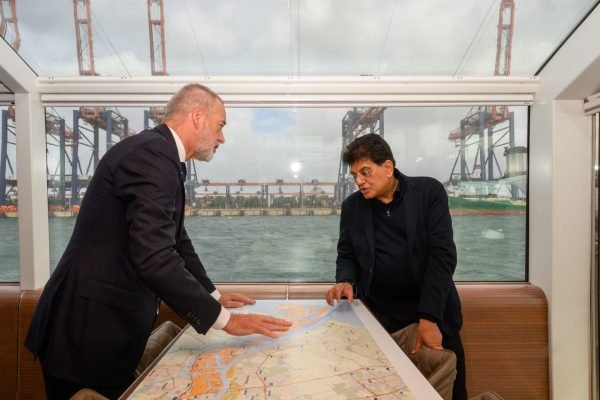
Piyush Goyal Visits Rotterdam Port to Boost India-Netherlands Cooperation
Union Minister Piyush Goyal visited the Port of Rotterdam to explore opportunities for India-Netherlands cooperation in port modernisation, logistics efficiency, supply chain connectivity and trade.
 OCT 25, 2026
 OCT 25, 2026
PM Modi Highlights Pro-People Governance and Balanced Growth
Prime Minister Narendra Modi emphasised pro-people governance and balanced development, highlighting improved connectivity, expanded AIIMS facilities and medical colleges in smaller towns to ensure inclusive growth across India.
 OCT 25, 2026
Jan Dhan Accounts Cross 59 Crore, Says Sitharaman
Finance Minister Nirmala Sitharaman highlights India’s financial inclusion progress, with over 59 crore Jan Dhan accounts, ₹43 lakh crore in MUDRA loans and expanded support for street vendors, women entrepreneurs and social security beneficiaries.