

Piyush Goyal Says India Will Not Open Dairy Sector or Allow GM Imports
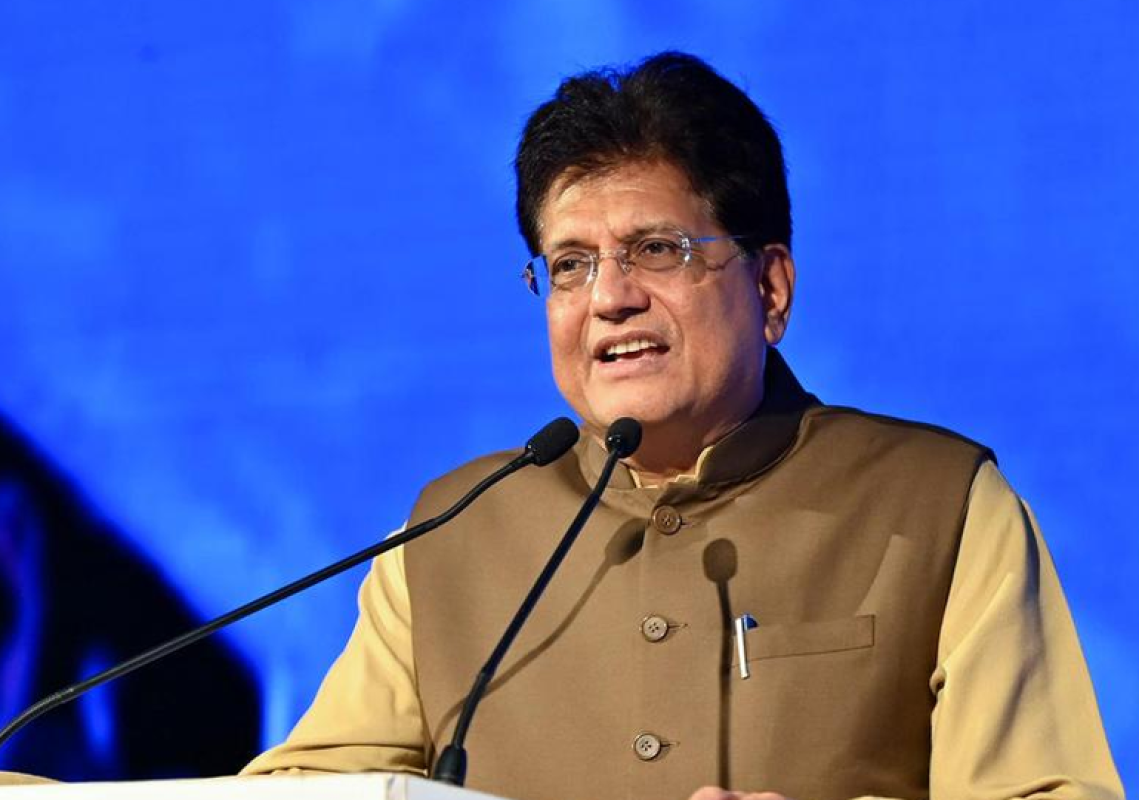
Commerce and Industry Minister Piyush Goyal on Tuesday said India would continue protecting sensitive agricultural sectors in trade negotiations, stressing that the country has never opened its dairy market under a free trade agreement and does not intend to permit imports of genetically modified products.
Addressing students at Kirori Mal College in Delhi, Goyal said India’s trade policy was designed to expand export opportunities without compromising the interests of farmers, fishermen and micro, small and medium enterprises.
The Commerce Ministry said the interaction formed part of the Young Leaders Discourse Forum, where Goyal also highlighted India’s export ambitions and growing trade partnerships.
‘We Have Never Opened Dairy for Anybody’
Goyal said dairy remains one of India’s most sensitive sectors because millions of small farmers depend on livestock and milk production for their livelihoods.
He said:
“Till date, we have never opened up dairy for anybody.”
According to Goyal, India has consistently excluded or protected sensitive products during trade negotiations where unrestricted imports could affect domestic producers.
GM Products Will Remain Restricted
The minister also said India would not allow genetically modified agricultural products to enter the domestic market through trade agreements.
He said the government’s position reflected concerns related to food safety, farming livelihoods, environmental issues and domestic regulations.
Goyal described genetically modified products as another area where India would not compromise simply to conclude a trade agreement.
Religious Concerns Also Cited in Dairy Imports
Goyal also referred to religious sensitivities associated with some imported dairy products.
He said certain overseas producers use animal-derived ingredients such as calf rennet in cheese-making and other dairy processing.
Rennet is an enzyme traditionally obtained from the stomach lining of young calves and is used to coagulate milk during cheese production.
Goyal said imported dairy products must meet Indian certification and regulatory requirements so that domestic religious and cultural sensitivities are respected.
Trade Agreements Must Protect Farmers and MSMEs
The Piyush Goyal dairy GM imports remarks underline the government’s stated approach of balancing greater market access abroad with protection for vulnerable domestic sectors.
Goyal said India’s objective in trade negotiations was to create new export and employment opportunities in areas where Indian producers are competitive.
He specifically cited agriculture, marine products and MSMEs as sectors whose interests must be safeguarded while negotiating market-access commitments.
Agriculture Remains Politically and Economically Sensitive
Agriculture remains a major source of livelihood in India, particularly for small and marginal farmers.
Dairy farming is especially important because it provides regular cash income to rural households and involves a large number of women workers.
This makes dairy market access a sensitive issue during negotiations with countries where farms may be larger, more mechanised or more heavily subsidised.
India Expanding Trade Partnerships
Goyal’s remarks came as India continues to pursue preferential and free trade agreements with multiple partners.
At the same Kirori Mal College programme, he said India had emerged as a trusted global trade partner and that countries across regions were increasingly interested in preferential and free trade agreements with New Delhi.
He also said India was targeting $1 trillion in exports during the current year, with exports having recorded 14 per cent growth so far.
Sensitive Sectors to Remain Protected
The minister’s comments indicate that India intends to continue seeking greater overseas market access while retaining safeguards for politically and economically sensitive sectors at home.
The Piyush Goyal dairy GM imports position therefore reinforces the government’s message that trade liberalisation will not automatically extend to every agricultural or food product.
Related News
 NOV 3, 2026
Yogi Adityanath Announces LPG Refill Subsidy for 1.89 Crore Ujjwala Families
Uttar Pradesh Chief Minister Yogi Adityanath announced LPG refill subsidy support for more than 1.89 crore eligible Ujjwala beneficiaries with an allocation of ₹1,500 crore.
 NOV 3, 2026
Rajnath Singh Envisions India as Global Defence Hub by 2047
Defence Minister Rajnath Singh calls for stronger global partnerships through co-development, co-production and shared innovation, aiming to make India a global defence hub by 2047.
 NOV 3, 2026
DRDO Successfully Test-Fires Indigenous Pralay Missile in Odisha
DRDO successfully test-fired India's indigenous Pralay quasi-ballistic missile from Chandipur, Odisha, engaging two simulated targets at a reported distance of around 500 kilometres. More than 2,500 people were evacuated as a safety precaution ahead of the test.
 NOV 3, 2026
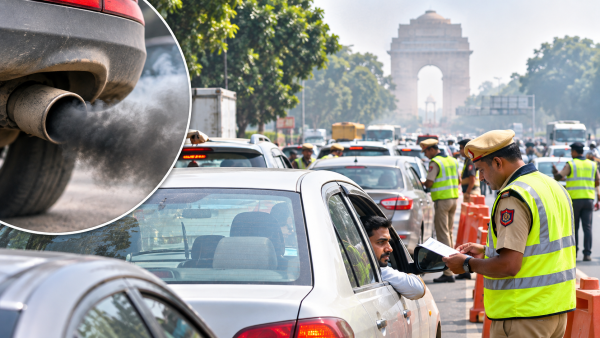
57% Delhi-NCR Residents Rate Non-BS VI Vehicle Curbs Poorly
Around 57% of Delhi-NCR respondents rated enforcement of Delhi’s non-BS VI vehicle restrictions as poor or very poor, citing traffic chaos and inadequate planning.
Comments (0)