

West Bengal Anti-Goonda Law 2026: Strict Action on Vandalism
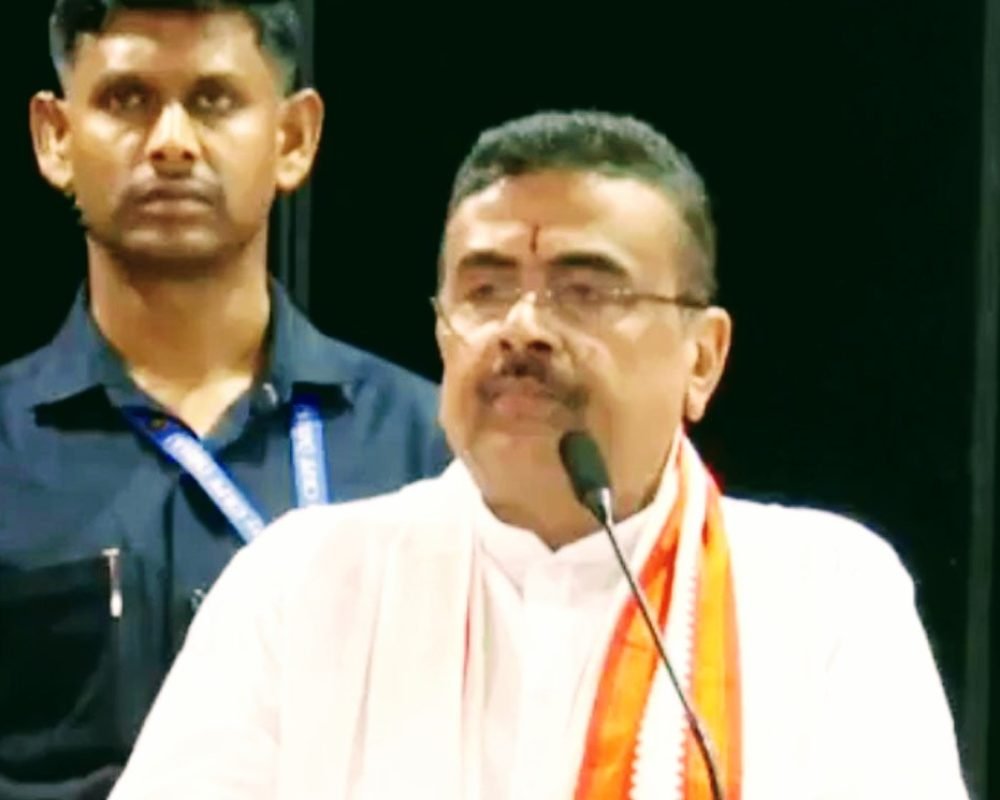
West Bengal Anti-Goonda Law 2026 has come into effect in part from Monday, with Chief Minister Suvendu Adhikari issuing a strong warning against vandalism, damage to government property and attacks on police personnel.
Addressing a press conference at Nabanna on Monday evening, the Chief Minister said that the government would adopt a strict approach towards those responsible for damaging public property. He also indicated that compensation for damage to government assets could be recovered at three times the value, along with applicable interest.
The Chief Minister further said that incidents involving attacks on police personnel would invite prompt action.
Government Property Damage to Attract Strict Action
The implementation of the West Bengal Anti-Goonda Law 2026 marks a significant step in the state government's stated effort to strengthen public order and curb anti-social activities.
According to Chief Minister Suvendu Adhikari, individuals responsible for damaging government property will not be spared. The government intends to recover compensation from those found responsible, with the amount potentially reaching three times the value of the damaged property along with interest.
The move is aimed at creating greater accountability for acts of vandalism during protests, demonstrations or other incidents of public disorder.
The Chief Minister also emphasised that attacks on police personnel would be dealt with swiftly. The government has maintained that maintaining public order and protecting public assets are among its key priorities.
Anti-Goonda Bill Passed in West Bengal Assembly
The legislation was passed by the West Bengal Assembly earlier in July. It is formally known as the West Bengal Public Safety and Control of Anti-Social Activities Bill, 2026, and has commonly been referred to as the Anti-Goonda Bill.
While introducing the legislation, the Chief Minister said the objective was to build a state free from organised goondaism and anti-social activities.
The bill was subsequently sent to the Governor for approval. Initial reports indicated that the Governor had given assent to the legislation, paving the way for its implementation.
Related News
 OCT 25, 2026
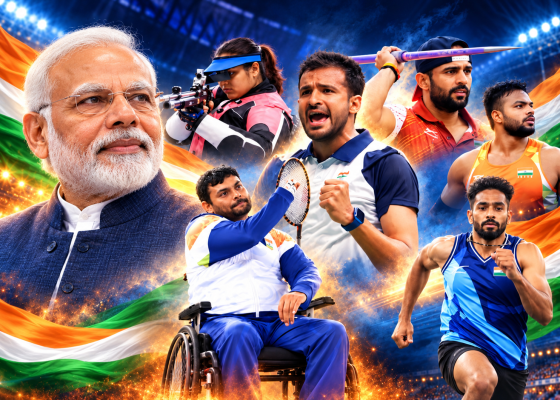
PM Modi Hails India’s Record 114 Asian Para Games Medals
Prime Minister Narendra Modi hails India’s para-athletes for securing a record 114 medals at the Asian Para Games 2026, calling it a moment of immense national pride and joy.
 OCT 25, 2026
Donald Trump Says France Is ‘Burning Down’ Over Its Open-Border Policy
US President Donald Trump has criticised France’s immigration policies, claiming that open borders are contributing to serious problems and urging countries to prevent the entry of people he considers a threat to national interests.
 OCT 25, 2026
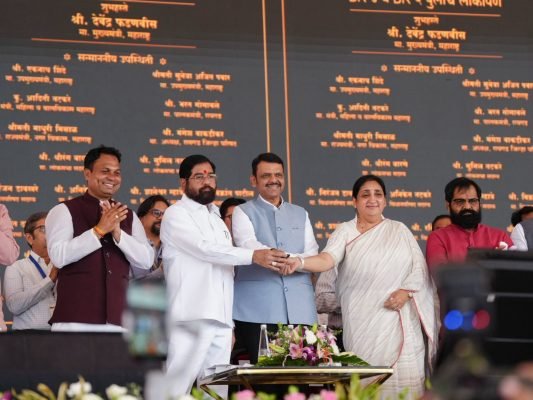
CM Devendra Fadnavis Launches Navi Mumbai Projects
Maharashtra CM Devendra Fadnavis launches infrastructure development works in the NAINA region, inaugurates key connectivity projects near Navi Mumbai International Airport and distributes property cards to landholders.
 OCT 25, 2026
Trump Says Biden Should Have Asked Europe to Fund Ukraine Aid
US President Donald Trump has criticised the distribution of Ukraine aid under Joe Biden, arguing that European allies could have paid a greater share of the cost. His remarks have reignited debate over military assistance, transatlantic cooperation and burden-sharing in the war against Russia.