

12th BRICS Parliamentary Forum 2026: Advancing People-Centric Development and Global Cooperation
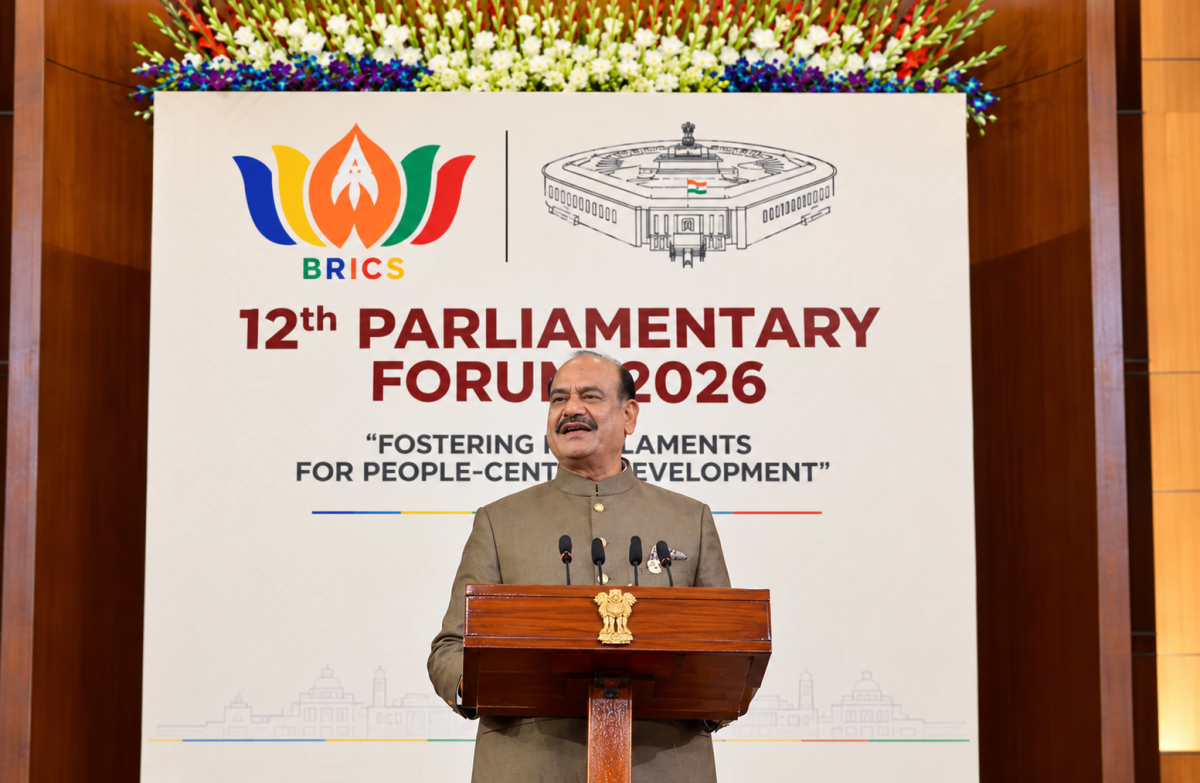
12th BRICS Parliamentary Forum 2026 opened with a renewed focus on strengthening democratic institutions, promoting international cooperation, and advancing people-centric development. The inaugural session, held at the historic Samvidhan Sadan in the Parliament House Complex, highlighted the importance of parliamentary diplomacy in building mutual trust and addressing shared global challenges.
As BRICS completes two decades of its journey, the forum provides an important opportunity for participating nations to reflect on their collective achievements and explore new avenues for cooperation. With diverse political systems, cultures, and development priorities represented, the platform underscores the importance of dialogue, consensus-building, and collaborative action in an increasingly interconnected world.
Representing nearly half of the global population, BRICS offers a significant platform for strengthening partnerships, encouraging inclusive development, and amplifying the concerns of emerging economies and developing nations.
BRICS at 20: Strengthening Trust and International Partnerships
The completion of two decades marks an important milestone in the evolution of BRICS as a platform for international engagement. Its continued development reflects the potential of diverse nations to work together despite differences in their economic priorities, political institutions, and regional circumstances.
The inaugural session of the 12th BRICS Parliamentary Forum 2026 highlighted the importance of strengthening mutual trust, building consensus, and advancing shared aspirations.
In this context, parliamentary cooperation plays an important role in facilitating dialogue between nations. Legislatures provide a forum for discussing public priorities, sharing democratic experiences, and exploring solutions to common challenges.
As global issues increasingly cross national boundaries, stronger parliamentary partnerships can contribute to a more cooperative international environment. Dialogue between elected representatives can also help bring citizens' concerns into discussions about development, governance, and international relations.
People-Centric Development Takes Centre Stage
The theme of the forum, “Fostering Parliaments for People-Centric Development,” places citizens at the heart of democratic governance and policymaking.
The theme highlights the responsibility of Parliaments to ensure that development policies respond to people's needs, aspirations, and everyday challenges. Strong democratic institutions are essential for promoting inclusive growth, protecting public interests, and ensuring that development opportunities reach different sections of society.
People-centric development also requires effective public representation, transparent decision-making, and accountable governance. By encouraging cooperation among participating nations, the forum provides an opportunity to exchange ideas on making parliamentary institutions more responsive to citizens.
The discussions are particularly relevant at a time when countries face interconnected challenges involving economic development, technological change, environmental protection, and social inclusion.
Four Key Priorities: Resilience, Innovation, Cooperation and Sustainability
The forum's deliberations centre on four important areas: resilience, innovation, cooperation, and sustainability. Together, these priorities provide a framework for strengthening parliamentary institutions and addressing emerging global challenges.
1. Resilience: Building Stronger Democratic Institutions
Resilient institutions are essential for maintaining public trust and responding effectively to changing circumstances. Parliaments must be equipped to address economic uncertainty, social challenges, and evolving public expectations.
Strengthening institutional capacity, encouraging constructive debate, and improving responsiveness can help legislatures fulfil their responsibilities more effectively.
2. Innovation: Modernising Parliamentary Governance
Innovation can improve the way parliamentary institutions operate and engage with citizens. Digital tools, improved access to information, and modern administrative practices can support greater transparency and efficiency.
Sharing experiences and successful approaches among participating nations can help identify opportunities to modernise parliamentary processes while preserving accountability and democratic principles.
3. Cooperation: Encouraging Dialogue and Consensus
International cooperation remains central to addressing challenges that affect multiple countries. Parliamentary forums provide opportunities for legislators to exchange perspectives, develop mutual understanding, and identify areas of common interest.
Constructive dialogue can strengthen relationships between nations and support collaborative approaches to issues ranging from development to international peace.
4. Sustainability: Balancing Growth With Environmental Responsibility
Sustainable development requires countries to pursue economic progress while protecting natural resources and addressing environmental concerns.
Parliamentary institutions have an important role in examining policies that balance development priorities with environmental responsibility. Cooperation can also help nations share experiences and explore approaches to building a more sustainable future.
Youth Empowerment and Opportunities for Future Generations
Youth empowerment remains an important element of people-centric development. Young people bring new ideas, creativity, and ambition, making their participation essential to building inclusive and forward-looking societies.
Aligning young people's aspirations with meaningful educational, professional, and entrepreneurial opportunities can help countries unlock their potential.
Parliaments can contribute by examining policies that expand access to education, support skills development, encourage innovation, and improve employment opportunities.
Ensuring that young people have opportunities to participate in public life is equally important. Their perspectives can enrich democratic debate and help policymakers better understand the priorities of future generations.
The forum's emphasis on connecting aspirations with opportunities reinforces the importance of placing youth development at the centre of long-term national and international strategies.
Amplifying the Voice of the Global South
Another important priority highlighted by the forum is strengthening the voice of the Global South in international discussions.
Developing countries often face shared challenges involving access to finance, technological development, climate resilience, infrastructure, and inclusive economic growth. However, their priorities and experiences are not always adequately reflected in global decision-making.
Platforms such as BRICS create opportunities for participating nations to exchange perspectives and advocate for a more inclusive approach to international cooperation.
Parliamentary engagement can further support this process by encouraging dialogue on development priorities, institutional reforms, and the needs of citizens.
Amplifying the Global South's voice also involves recognising the diversity of developing economies and promoting partnerships based on mutual respect, shared interests, and constructive engagement.
The Role of Parliaments in Building a More Inclusive Future
The 12th BRICS Parliamentary Forum 2026 reinforces the importance of legislatures in strengthening democratic institutions and responding to contemporary challenges.
Parliaments do more than enact laws. They represent citizens, scrutinise government policies, facilitate public debate, and help ensure accountability in democratic systems.
Effective parliamentary institutions can strengthen public confidence by promoting transparency, encouraging participation, and responding to the changing needs of society.
International parliamentary cooperation provides an additional opportunity to exchange ideas and learn from different governance experiences.
By focusing on resilience, innovation, cooperation, and sustainability, the forum encourages participating nations to explore ways to make their institutions more effective and responsive.
The broader objective is to ensure that democratic governance contributes to tangible improvements in people's lives while supporting peace, inclusion, and sustainable development.
A Shared Vision for Peace, Inclusion and Sustainable Development
The inaugural session set an important tone for discussions centred on mutual understanding, international partnerships, and citizen-focused governance.
As BRICS continues its journey, parliamentary cooperation can help strengthen relationships among participating nations and create opportunities for meaningful dialogue.
The emphasis on youth empowerment, environmental sustainability, institutional accountability, and the Global South reflects the interconnected nature of today's development challenges.
Progress in these areas requires sustained engagement, practical collaboration, and a shared commitment to inclusive growth.
The forum offers an opportunity to reaffirm these priorities and explore how parliamentary institutions can contribute to a more peaceful, equitable, and sustainable international order.
Conclusion
The 12th BRICS Parliamentary Forum 2026 brings parliamentary cooperation and people-centric development into focus as participating nations reflect on two decades of BRICS engagement.
With discussions centred on resilience, innovation, cooperation, and sustainability, the forum provides an important platform for strengthening democratic institutions and exploring responses to shared global challenges.
Its emphasis on empowering young people, balancing economic growth with environmental responsibility, and amplifying the voice of the Global South highlights the importance of inclusive and forward-looking policymaking.
Ultimately, the forum's broader vision is to encourage stronger parliamentary partnerships, deepen mutual trust, and advance a world that is more just, inclusive, peaceful, and sustainable.
Related News
 OCT 26, 2026
Tesla India Revenue Jumps 12-Fold to ₹247.31 Crore in FY26, Reports Net Profit
Tesla India revenue recorded a significant increase in the financial year 2025–26 (FY26), rising nearly 12-fold to ₹247.31 crore from ₹20.83 crore in the previous fiscal year, according to regulatory filings cited by IANS.
 OCT 26, 2026
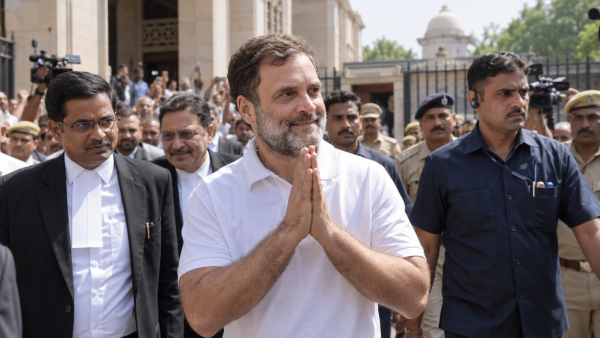
Rahul Gandhi Acquitted in 2018 Defamation Case Over Amit Shah Remarks
Rahul Gandhi was acquitted by a special MP-MLA court in Sultanpur in the 2018 defamation case concerning remarks he made about Amit Shah.
 OCT 26, 2026
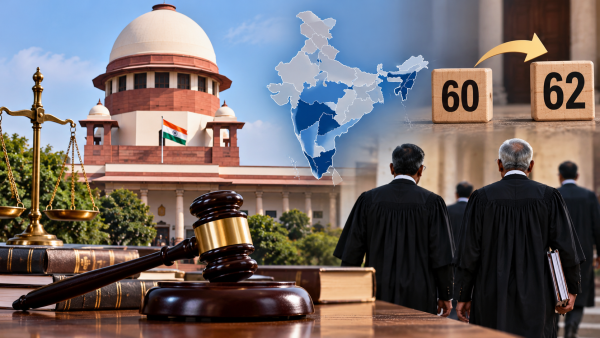
14 States Agree to Raise Judicial Officers’ Retirement Age to 62
The Supreme Court said 14 states have agreed to raise the retirement age of district judicial officers from 60 to 62 years and declined urgent individual pleas from retiring judges.
 OCT 26, 2026
Delhi Minimum Temperature Drops to 16.2°C, Lowest This Month
Delhi recorded its lowest minimum temperature of the month at 16.2°C on Monday, while the IMD forecast mainly clear skies and a maximum near 32°C.