

14 States Agree to Raise Judicial Officers’ Retirement Age to 62
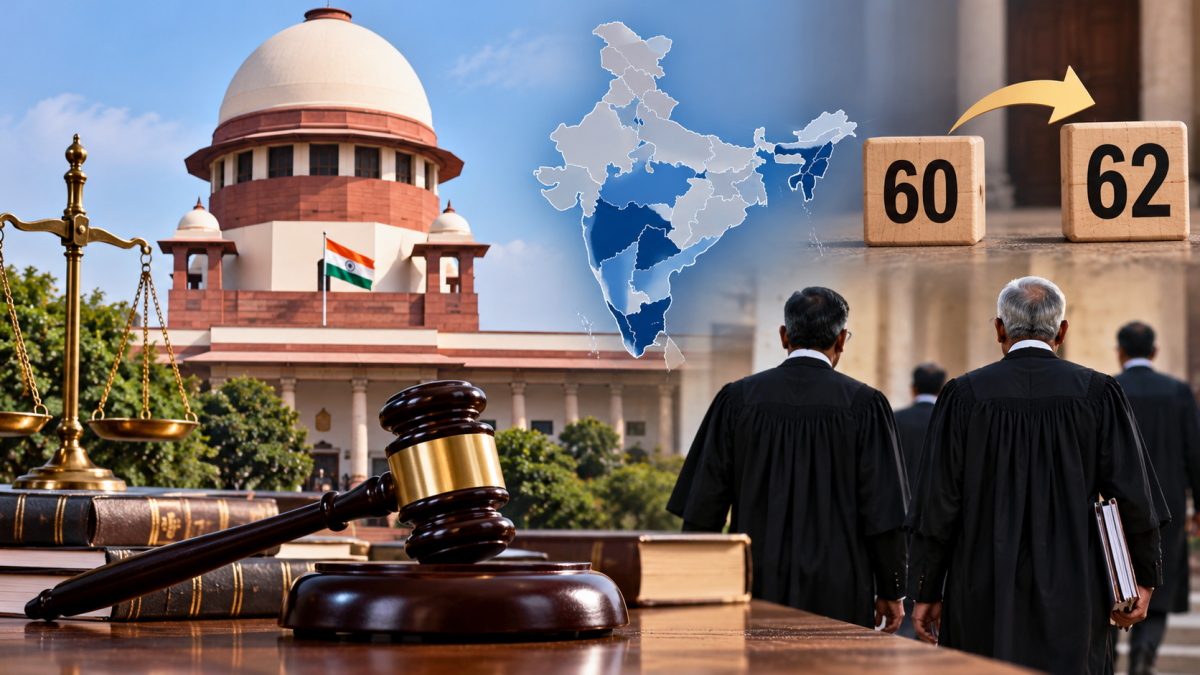
The Supreme Court on Monday expressed satisfaction that 14 states have agreed to raise the judicial officers retirement age from 60 to 62 years, while declining to urgently hear separate pleas filed by judges who are nearing retirement or have recently retired.
A bench comprising Chief Justice of India Surya Kant and Justices Joymalya Bagchi and V. Mohana said the issue was being addressed between the Supreme Court and the states rather than through individual petitions.
Supreme Court Hopeful More States Will Agree
Chief Justice Surya Kant told the court that 14 states had so far accepted the proposed enhancement.
The bench said it was hopeful that other states would also follow.
The judges also made it clear that although the main petition had been listed for hearing, the court was not inclined to separately entertain requests by individual judicial officers seeking immediate relief.
Court Declines Urgent Individual Pleas
Senior advocate Ranjit Kumar mentioned the matter for urgent listing, pointing out that judicial officers were retiring every day.
The bench, however, declined to take up such individual applications urgently.
It observed:
“This pertains to the persuasive jurisdiction of this court. The issue is between the Supreme Court and the states.”
The court indicated that the broader issue would be dealt with through the pending proceedings concerning retirement conditions across the district judiciary.
Seven States Were Earlier Directed to Raise Retirement Age
In an earlier order, the Supreme Court directed Chhattisgarh, Karnataka, Madhya Pradesh, Maharashtra, Sikkim, Tamil Nadu and West Bengal to amend their service rules and enhance the retirement age of judicial officers from 60 to 62 years.
The continuation beyond 60 is subject to an assessment of the officer’s suitability and performance by the respective High Court.
Recently Retired Officers Given Option to Rejoin
The earlier direction also covered judicial officers from those seven states who retired on or after March 31, 2026.
Such officers were given an option to rejoin judicial service provided they had not taken up subsequent employment or another office of profit under the Union or a state government.
Their return would remain subject to suitability and performance assessment by the concerned High Court.
No Retirement at 60 Pending Rule Changes
The Supreme Court had also said that until service rules were formally amended, eligible judicial officers in the seven states should not retire merely upon reaching the age of 60.
They could continue until 62, subject to performance and suitability assessment by the High Court
Court Cites Need to Retain Experienced Judges
The case is part of the long-running All India Judges Association litigation concerning service conditions of the district judiciary.
The Supreme Court has previously noted the need to retain experienced judicial officers, particularly in view of vacancies and shortages in the district courts, while also allowing High Courts to assess whether officers should continue beyond 60.
Wider Decision on Retirement Age Still Pending
While more states are now agreeing to the change, the larger question of whether the judicial officers retirement age should uniformly become 62 across India remains before the Supreme Court.
The court’s latest remarks indicate that it prefers a coordinated approach involving states and High Courts rather than case-by-case orders for individual judges.
Related News
 OCT 26, 2026
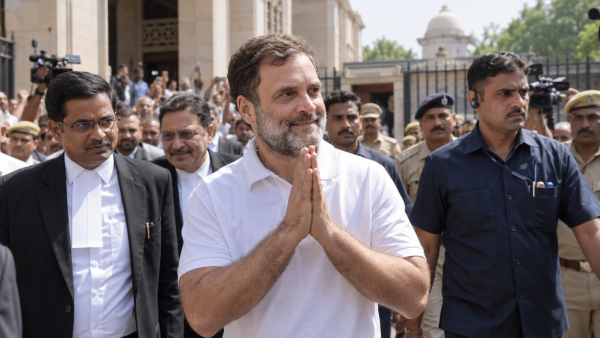
Rahul Gandhi Acquitted in 2018 Defamation Case Over Amit Shah Remarks
Rahul Gandhi was acquitted by a special MP-MLA court in Sultanpur in the 2018 defamation case concerning remarks he made about Amit Shah.
 OCT 26, 2026
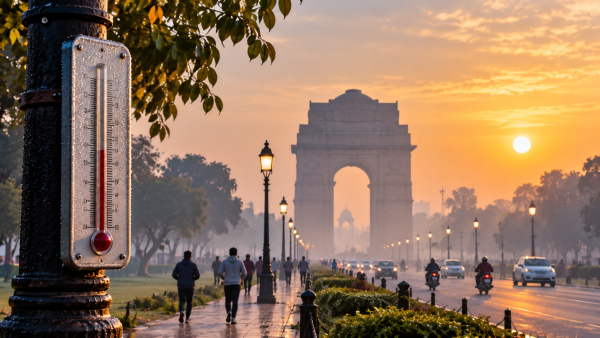
Delhi Minimum Temperature Drops to 16.2°C, Lowest This Month
Delhi recorded its lowest minimum temperature of the month at 16.2°C on Monday, while the IMD forecast mainly clear skies and a maximum near 32°C.
 OCT 26, 2026
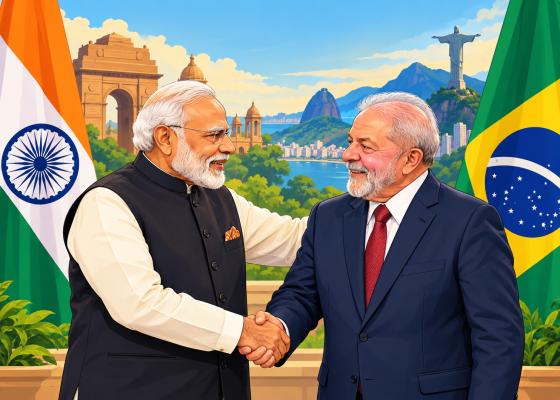
PM Modi Congratulates President Lula on Re-election
Prime Minister Narendra Modi congratulated Brazilian President Luiz Inácio Lula da Silva on his re-election, pledging to deepen the India-Brazil Strategic Partnership and advance shared priorities of the Global South.
 OCT 26, 2026
Lula Wins Historic Fourth Term as Brazil’s President, Defeats Flávio Bolsonaro
Brazilian President Luiz Inácio Lula da Silva has won a historic fourth non-consecutive term, defeating Flávio Bolsonaro with 51.79% of valid votes in a closely contested presidential runoff.
Comments (0)