

Lula Wins Historic Fourth Term as Brazil’s President, Defeats Flávio Bolsonaro
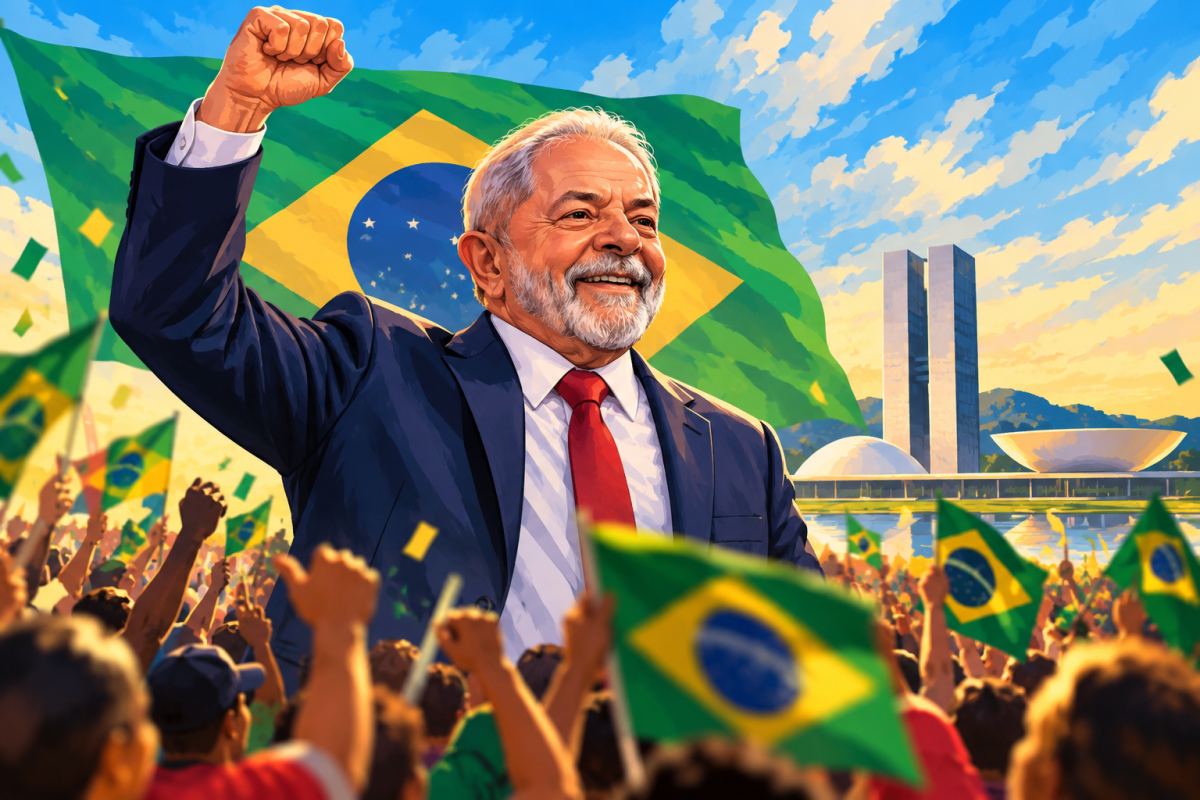
Brazil President Luiz Inácio Lula da Silva has secured a historic fourth non-consecutive presidential term, defeating conservative challenger Flávio Bolsonaro in a closely contested runoff election. The victory strengthens Lula’s political legacy and keeps Latin America’s largest economy under left-wing leadership.
Brazilian President Luiz Inácio Lula da Silva has won re-election, marking a remarkable political comeback after a fiercely contested presidential campaign. The 80-year-old veteran leader defeated right-wing Senator Flávio Bolsonaro in the presidential runoff held on Sunday, October 25, 2026, securing an unprecedented fourth non-consecutive term as Brazil’s President.
According to Brazil’s Superior Electoral Court (TSE), Lula received 64,256,232 votes, representing 51.79% of the valid votes, while Flávio Bolsonaro secured 59,826,041 votes, or 48.21%. The margin of victory was approximately 4.43 million votes, bringing a dramatic conclusion to one of Brazil’s most closely watched presidential contests.
Lula’s Historic Political Comeback
The victory represents a significant milestone in Brazilian political history. Lula becomes the first president in the country’s modern democratic era to win four presidential terms, although his periods in office have been non-consecutive.
A former trade union leader who rose to prominence through Brazil’s labour movement, Lula first became President in 2003 and was re-elected in 2006. After two terms, he was succeeded by his political ally Dilma Rousseff. Lula returned to the presidency in 2023 after defeating former President Jair Bolsonaro in the 2022 election.
His latest victory follows another challenging campaign in which economic pressures, public security, social welfare, democratic institutions and Brazil’s international relations emerged as major issues.
The result was particularly notable because Flávio Bolsonaro had finished ahead of Lula in the first round of voting on October 4. The runoff victory therefore marks a substantial turnaround for the incumbent, who mobilised supporters and sought to win over undecided voters during the final weeks of the campaign.
A Closely Fought Contest Against Flávio Bolsonaro
Flávio Bolsonaro, a senator and the son of former Brazilian President Jair Bolsonaro, campaigned on a conservative platform, emphasising public security, economic concerns and an alternative to Lula’s left-wing government.
The presidential contest reflected deep political divisions within Brazilian society. While Lula drew support from voters who favoured social protection programmes and his political record, Bolsonaro appealed to voters seeking a change in leadership and a tougher approach to crime and economic management.
The election remained highly competitive until the final stages of the vote count. Lula ultimately prevailed, securing the support needed to continue his administration and setting the stage for another period of left-wing leadership in Brazil.
Economic Challenges and Domestic Priorities
Lula’s new term will come with considerable economic and social responsibilities. Brazil, one of the world’s largest economies and a major producer of agricultural commodities and natural resources, faces the challenge of balancing economic growth with social inclusion and fiscal stability.
The cost of living, household finances, employment opportunities and public security were important concerns during the campaign. Lula will be under pressure to demonstrate that his government can improve living standards while maintaining investor confidence and supporting sustainable economic development.
His administration is also expected to face continued debate over social welfare programmes, taxation, public spending and the role of the state in economic development.
Brazil’s political landscape remains divided, and Lula will need to work across institutional and political differences to advance his agenda.
The strength of the opposition and the composition of Congress will be important factors in determining how effectively his government can implement its priorities.
Brazil’s Global Role and International Relations
Lula’s re-election also carries significance beyond Brazil’s borders. As Latin America’s largest economy, Brazil plays an influential role in international trade, climate diplomacy, regional cooperation and multilateral institutions.
Lula has consistently advocated greater representation for developing countries and the Global South in global decision-making. His administration has also emphasised international cooperation on climate change, sustainable development, food security and economic partnerships.
The election result suggests continuity in Brazil’s broad diplomatic approach, including its engagement with emerging economies and its pursuit of an independent role in international affairs.
Relations with the United States, China, European countries and Brazil’s Latin American neighbours will remain important elements of the government’s foreign policy. Trade, investment, environmental protection and geopolitical differences are likely to shape these relationships during Lula’s next term.
For developing countries, particularly those seeking a stronger voice in global institutions, Brazil’s continued engagement under Lula will remain an important diplomatic consideration.
A New Chapter in Brazilian Politics
Lula’s re-election is both a personal political achievement and a significant moment for Brazil’s democracy. His return to office in 2023 had already marked an extraordinary comeback; winning a fourth non-consecutive term further consolidates his place in the country’s political history.
However, the victory also presents a challenge: translating electoral support into tangible improvements in the lives of Brazilian citizens. Addressing economic anxieties, strengthening public institutions, improving security and reducing political polarisation will be essential to the success of his next administration.
Lula is scheduled to begin his new term on January 5, 2027. His government will face high expectations from supporters, scrutiny from opponents and close attention from international partners.
The result ensures that Brazil will continue under Lula’s leadership for another term, while setting the stage for an important period in the country’s domestic politics and international engagement.
Related News
 OCT 26, 2026
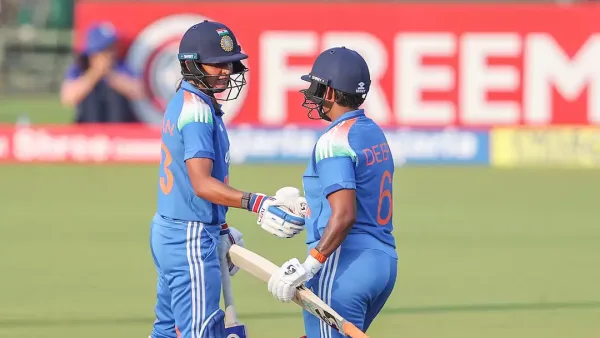
India Zimbabwe ODI series secured after Harmanpreet and Deepti centuries
India took an unassailable 2-0 lead after posting 328 for six and dismissing Zimbabwe for 207 in the second ODI.
Akhilesh Yadav disputes posters as UP seat-sharing talks begin
The SP president called the posters fake and demanded action against municipal officials. Congress said the alliance remained united.
 OCT 26, 2026
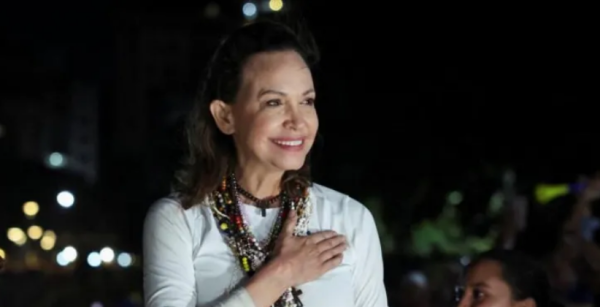
Maria Corina Machado returns to Venezuela after exile
The opposition leader appeared at a church in Lara state after returning from abroad. Her movement continues to seek an election timetable.
 OCT 26, 2026
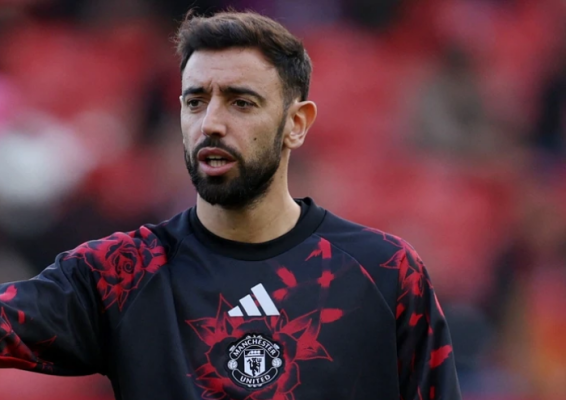
Bruno Fernandes benched as Carrick changes United side
Michael Carrick put his captain among the substitutes for the Bournemouth fixture following United's defeat at Como.